



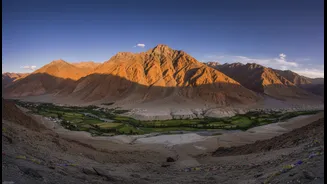


The Allure of the Rain Shadow
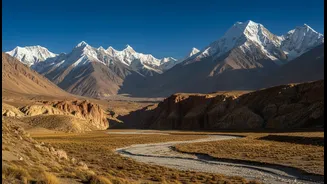
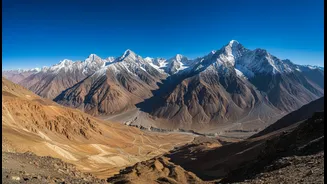
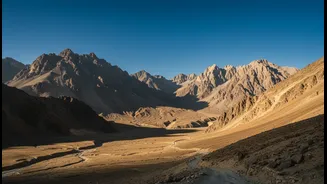
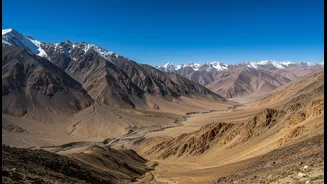
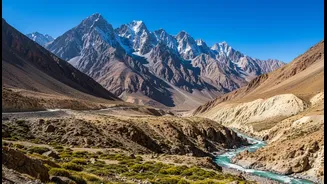
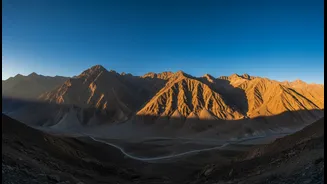
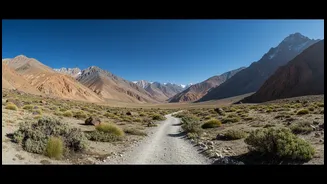
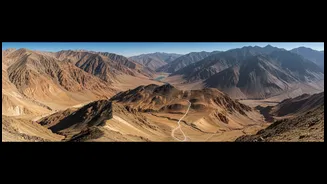
July is typically a month where travel plans are dictated by the monsoon. Yet, high in the Himalayas, Ladakh and Himachal's Spiti Valley operate under a different set of rules. Nestled in a rain-shadow zone, these cold deserts are shielded from the monsoon clouds
by towering mountain ranges. The result is a travel paradise characterized by clear blue skies, bright sunshine, and pleasant daytime temperatures, making it an ideal escape from the rains soaking the plains. In July, daytime temperatures in Leh, Ladakh's capital, hover between 20-25°C, while Spiti sees similar conditions, creating a comfortable climate for exploration. This unique weather window is the primary reason both regions become magnets for travellers this time of year.
A Confirmed Tourism Surge
The headline isn't an exaggeration. Ladakh, in particular, is witnessing a massive tourism boom. In the first half of 2026, the region welcomed over 2.25 lakh visitors. June alone saw a 44% increase in tourist arrivals compared to the previous year, with 1,07,740 people visiting. This surge is even more dramatic when looking at May, which saw a 121% jump in visitors compared to May 2025. Officials attribute this incredible growth to improved infrastructure, better connectivity, and sustained promotional campaigns positioning Ladakh as a premier destination. This influx, primarily driven by domestic travellers, confirms a growing trend of exploring unique landscapes within India.
Why July is the Magic Month
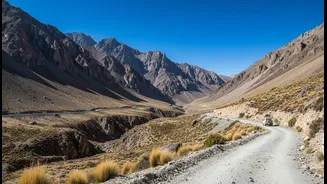
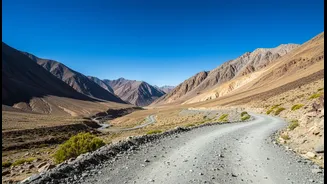
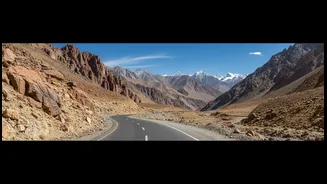
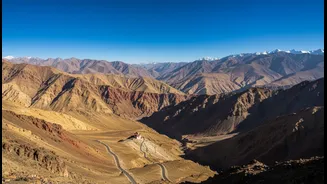
July represents the peak of accessibility for these remote regions. Both major road arteries to Ladakh—the Manali-Leh Highway and the Srinagar-Leh Highway—are fully operational. The Manali-Leh route, a legendary journey for road-trippers, is in its best condition of the year, with high-altitude passes like Tanglang La and Baralacha La clear of snow. Similarly, the routes into Spiti Valley from both Shimla and Manali are open, allowing for the classic circuit trip. This accessibility unlocks the full splendour of the regions, from the iconic Pangong Tso and Nubra Valley in Ladakh to Spiti's Chandratal Lake and ancient monasteries like Key and Tabo.
Navigating the Popularity
This record interest has tangible effects on the ground. The surge means hotels, homestays, and tour operators are experiencing high occupancy levels. For travellers, this translates to a need for more planning. Booking accommodation and transport well in advance is no longer just a recommendation; it's essential. Popular spots like Pangong Lake, Nubra Valley, and Khardung La are seeing significant footfall, so be prepared for crowds. While the infrastructure has improved, the sharp increase in vehicles can lead to traffic on narrow mountain roads and at key checkpoints. The key is to travel with patience and a well-thought-out itinerary.
A Road Trip for the Ages
Despite the crowds, the experience remains unparalleled. For those planning a road trip, the choice of route matters. The Srinagar-Leh highway offers a more gradual acclimatisation, making it a better choice for first-timers and families. The Manali-Leh highway is a more challenging and adventurous route, crossing multiple high passes and offering breathtaking, raw landscapes. For Spiti, the circuit can be approached from Shimla for a gentler ascent or from Manali for a quicker, more rugged entry via Kunzum Pass. Whichever path you choose, the journey itself—with its dramatic vistas, remote villages, and ancient culture—is as much a highlight as the destination.