





Why Tension Is the Secret Ingredient
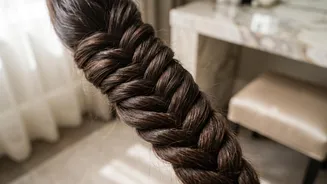
Think of a braid as a carefully constructed puzzle. Each piece must fit snugly against the others to create a stable structure. In a fishtail braid, that stability comes from tension. When you cross each small strand of hair over to the opposite side,
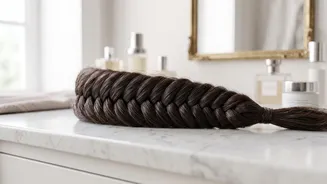
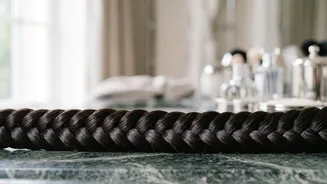
the gentle, consistent pull you apply is what locks the previous section in place. Uneven tension—pulling one strand tightly and the next loosely—creates weak spots. These loose points are where flyaways escape, the distinct 'zipper' pattern gets lost, and the entire braid begins to sag and unravel. Professional stylists emphasize that control, not excessive tightness, is the goal. A braid can be secure and smooth without causing discomfort or damaging the hair follicles. Mastering even tension is the difference between a braid that lasts a few hours and one that stays neat all day.
Prepare Your Hair for Grip
Creating the perfect fishtail starts before you even begin weaving. The texture of your hair plays a huge role in how well it holds a style. While freshly washed hair feels clean, its silkiness can make it slippery and difficult to grip, causing strands to slip out of the braid. Hairstylists often find that second-day hair provides the ideal natural grip for braiding. If you're starting with clean hair, you can easily replicate this texture. A light mist of a texturizing spray or a small amount of dry shampoo applied to the roots and lengths will add the grit needed to help strands cling together. This simple prep work makes it significantly easier to maintain control and consistent tension as you weave the braid, preventing it from loosening prematurely.
Mastering the Weaving Technique
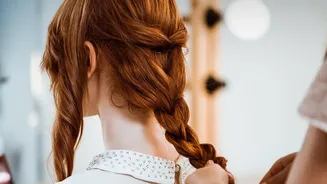
The fishtail method is simple in theory: divide hair into two sections, then take a small piece from the outside of one section and cross it over to the other. The key to longevity lies in the execution. To maintain even tension, use your pointer fingers to pick up small, clean sections from the outside. As you cross a piece over, keep your hands close to the braid itself. This prevents you from accidentally loosening the weave. Try to make each new piece you take roughly the same size. This consistency is crucial for creating the braid's signature intricate, symmetrical pattern. Don't pull aggressively; a gentle but firm tug is all that's needed to snug each new piece into place. For longer hair, it can be helpful to think in 'checkpoints': braid a few inches, pause to ensure the tension feels even, and then continue.
Avoiding Common Tension Mistakes
One of the most common errors is starting the braid too loosely at the top. This creates an unstable foundation that can't support the weight of the rest of the braid. Another frequent issue is changing your grip pressure midway through. As your arms get tired, it's natural to loosen your hold, but this results in a braid that is tight at the top and loose at the bottom. To avoid this, be mindful of your posture and try braiding over one shoulder so you can see your work and give your arms a more comfortable position. Finally, pulling uneven chunks of hair disrupts the pattern and the tension. If you notice your braid looking lopsided, it's likely because the sections you're crossing over are inconsistent in size. Remember, it's easier to gently loosen a tight braid at the end than it is to fix a loose one.
Finishing Touches for a Lasting Style
Once you've reached the end, how you secure the braid is critical. Use a small, snug elastic to prevent the end from slipping, which can cause the entire braid to 'walk' loose throughout the day. To control any minor flyaways that have escaped, spray a flexible-hold hairspray onto your hands first, then gently smooth them over the surface of the braid. This method provides hold without leaving the hair feeling stiff or sticky. If you prefer a fuller, more voluminous look—often called 'pancaking'—do it carefully. Gently pull on the edges of the braid, starting from the bottom and working your way up. This should be done with a light touch to add volume without completely sacrificing the structure you worked so hard to create.