



First, What Is an Ultra-Processed Food?
Before we dive into the research, it’s important to understand what experts mean by 'ultra-processed'. The term comes from the NOVA classification system, which groups foods by their level of industrial processing. Unprocessed foods are things like fruits,
vegetables, and fresh meat. Processed foods might be canned beans or simple cheeses. Ultra-processed foods (UPFs), however, are industrial formulations made mostly from substances extracted from foods, plus a range of additives. Think of it this way: if the ingredients list contains items you wouldn't find in a home kitchen—like high-fructose corn syrup, hydrogenated oils, emulsifiers, or artificial flavours—it's likely a UPF. Common examples include sugary drinks, packaged snacks, mass-produced breads, and many ready-to-eat meals. These products are designed to be cheap, convenient, and hyper-palatable, which is why they are so widespread.
The Nuance in the New Research
For years, countless studies have linked high consumption of UPFs to negative health outcomes, including obesity, heart disease, type 2 diabetes, and even depression. This is because many UPFs are high in added sugar, unhealthy fats, and sodium while being low in essential nutrients like fibre. However, a recent wave of research, including a significant study from Harvard, introduces a critical distinction: it's the nutritional quality of the diet, not just the processing level, that is the primary driver of these health risks. The study, involving over 200,000 people, found that a high-quality, nutrient-dense diet lowered health risks, while a low-quality diet increased them, regardless of how many UPFs were consumed. This suggests that simply advising people to avoid all UPFs might be misguided.
Not All Processed Foods Are Created Equal
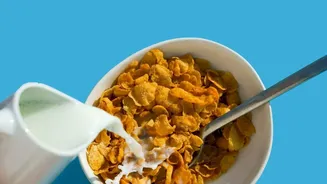
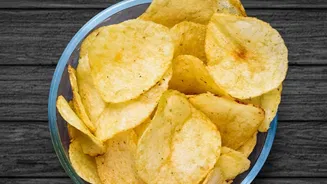
The latest findings highlight that some ultra-processed foods can be part of a healthy diet. For instance, whole-grain breads, fortified breakfast cereals, and plant-based milk alternatives are often classified as UPFs but can provide valuable nutrients like fibre and vitamins. Conversely, a diet can be low in UPFs but still be unhealthy if it relies heavily on minimally-processed but high-fat items like butter and red meat. The key takeaway is that a food's processing level doesn't automatically dictate its health value. The danger often lies in the fact that the most common UPFs—like chips, cookies, and sodas—are nutritionally poor and can displace healthier, whole foods from the diet.
Focusing on Overall Diet Quality
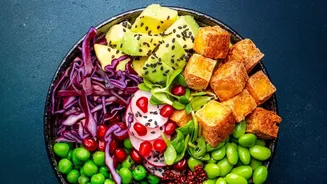
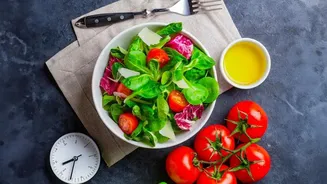
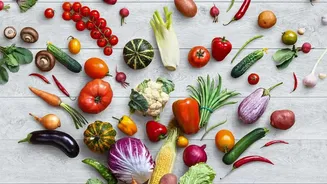
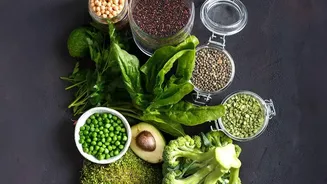
So, what does this mean for your daily meals? The message is shifting from a narrow focus on avoiding a single category of food to a broader emphasis on building a high-quality dietary pattern. This aligns with long-standing nutritional advice that is often drowned out by sensational headlines. A high-quality diet is typically rich in whole or minimally processed foods like fruits, vegetables, legumes, nuts, seeds, and whole grains. It prioritises lean proteins and healthy fats while limiting added sugars, sodium, and saturated fats—nutritional characteristics that many, but not all, UPFs happen to have. In India, where the consumption of UPFs has been rising rapidly, this is particularly relevant. Shifting back towards traditional dietary patterns, rich in dals, vegetables, and whole grains, can naturally improve overall diet quality.
Practical Steps for a Better Diet
Improving your diet quality doesn't require an all-or-nothing approach. Instead of trying to eliminate every UPF, focus on making positive additions and smart swaps. Start by adding one more serving of vegetables to your dinner or switching from a sugary cereal to oatmeal. When you do buy packaged foods, become a label-reader. Choose products with shorter ingredient lists and lower amounts of added sugar and sodium. For example, a ready-to-eat lentil soup can be a convenient and healthy option if its ingredients are simple. The goal is progress, not perfection. A balanced diet that includes a majority of nutrient-dense foods will always be more sustainable and beneficial than a restrictive one that creates anxiety around every packaged item.