





What is the 'Bharat' Brand Initiative?
The 'Bharat' brand is a Central Government initiative designed to provide essential food items to consumers at controlled, affordable prices. The primary goal is to combat food inflation and ensure that key staples remain accessible to the general public.
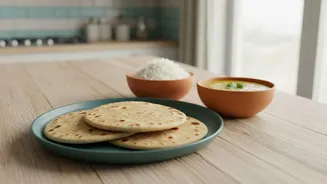
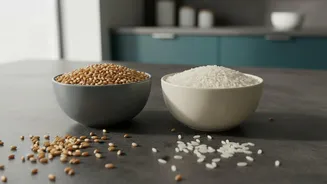
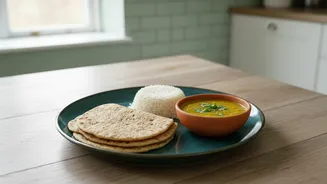
Under this scheme, the government, through agencies like the Food Corporation of India (FCI), allocates food grains from the central pool. These are then processed, packaged, and sold under the unified 'Bharat' brand name. The initiative previously included items like chana dal and onions, but the consistent focus has been on high-consumption staples like wheat flour (atta) and rice, which form the bedrock of daily meals in most Indian households.
New Allocations and Revised Prices
In a recent move for the 2026-27 period, the government has approved a fresh allocation under its Open Market Sale Scheme (OMSS) to continue the program. This includes 50,000 metric tonnes of wheat for 'Bharat Atta' and 300,000 metric tonnes of rice for 'Bharat Rice'. With this new allocation come revised prices. The Maximum Retail Price (MRP) for Bharat Atta has been set at ₹32 per kg. For Bharat Rice, the MRP is ₹35 per kg for the popular 5 kg and 10 kg packs until October 31, 2026, after which it is slated to increase to ₹36 per kg. This represents a slight increase from previous phases, where atta was sold at ₹27.50/kg and rice at ₹29/kg, a change attributed to market dynamics and procurement costs.
Why is This Happening Now?
The continuation and fresh allocation for the Bharat brand scheme is a direct response to persistent food inflation and rising market prices for essential grains. For instance, reports from late July 2026 noted a 6-7% increase in atta prices over the preceding month alone. By releasing subsidised stocks into the open market, the government aims to increase overall supply and put downward pressure on general retail prices, offering a more affordable alternative for consumers. This market intervention is particularly timed ahead of the festive season, a period when demand typically surges and prices can become more volatile. The initiative is funded through the Price Stabilization Fund (PSF), which helps absorb the costs and allows these staples to be sold below market rates.
How and Where to Buy 'Bharat' Staples
The key to accessing these subsidised goods is knowing where to look. The distribution is handled by three primary central cooperative agencies: the National Agricultural Cooperative Marketing Federation of India (NAFED), the National Cooperative Consumers' Federation of India Ltd (NCCF), and Kendriya Bhandar. These agencies sell 'Bharat' atta and rice through their own retail outlets as well as a network of mobile vans that cover various localities, particularly in urban and semi-urban areas. In addition, the government has been working to make these products available on e-commerce platforms and through other large retail chains to widen their reach. However, availability can be inconsistent, so checking with local Kendriya Bhandar or co-operative stores is the most reliable first step.
The Challenge of Local Availability
While the allocation numbers are large, the real test of the scheme lies in its last-mile delivery. The headline promise of low-priced atta and rice is only as good as its availability on the local store shelf. Consumers in different cities and even different neighbourhoods within the same city may have varied experiences. Supply chain logistics, the efficiency of the distributing agencies, and the geographical reach of mobile vans all play a critical role. While the intent is nationwide, the initial rollout often focuses on areas with higher population density. Therefore, the "timely reader check" is not just about knowing the price, but about actively verifying if and where these products are stocked in your immediate vicinity. The success of the scheme for your household depends entirely on this local-level execution.