




A More Violent and Volatile Monsoon
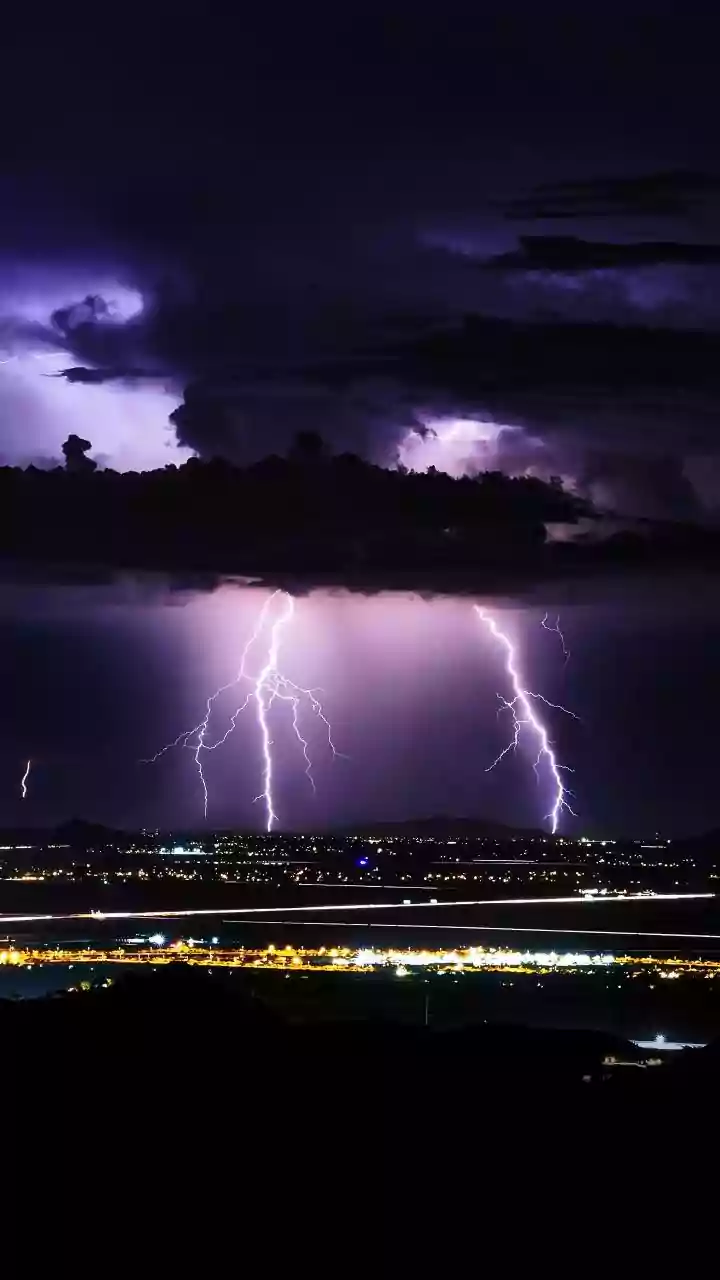
The phrase 'changing rainfall' is more complex than it sounds. It is not just a simple case of less rain. Instead, scientists are observing a dangerous new pattern: the total volume of monsoon rain might remain similar, but it arrives in shorter, more violent
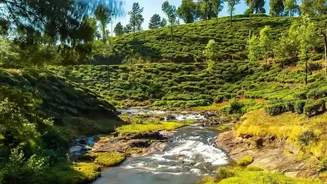
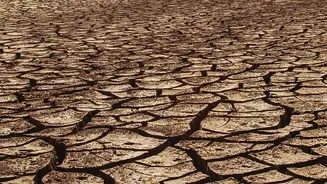
bursts, punctuated by longer dry spells. Studies show that extreme rainfall events have increased, leading to flash floods and landslides that can devastate forest areas. At the same time, prolonged droughts are becoming more common, placing immense stress on ecosystems that are not adapted to long periods without water. This volatility, swinging between too much water and not enough, is creating a novel and challenging environment for India's forests, from the Himalayas to the Western Ghats.
Thirsty Trees and Vulnerable Canopies
The most direct impact of longer dry spells and reduced precipitation is on the trees themselves. In Central India, for instance, research has shown that dry deciduous forests, which function closer to their moisture limits, are highly vulnerable. One study in the Panchmarhi Biosphere Reserve found that changes in temperature and rainfall contributed to a 13% loss of forest cover over nearly five decades, with dry teak forests experiencing the highest loss in canopy cover. This 'vegetation browning' is a sign of declining health, as trees struggle to photosynthesise and grow under moisture stress. This stress also increases the risk of forest fires, especially when combined with rising temperatures, creating a feedback loop that can lead to large-scale forest degradation.
The Damage Done by Downpours
While droughts starve forests of water, extreme downpours bring their own destructive force. Intense rainfall overwhelms the natural capacity of the forest floor to absorb water. This leads to severe soil erosion, washing away the nutrient-rich topsoil that trees depend on for sustenance. In hilly regions like the Western Ghats, this can trigger devastating landslides, uprooting ancient trees and permanently altering the landscape. The loss of green cover further exacerbates the problem, as deforestation reduces the land's ability to retain water, making downstream areas more prone to severe flooding. The very rain that is meant to nourish the forest can become a powerful agent of its destruction when it falls too hard, too fast.
A Fundamental Shift in Forest Composition
These new climatic pressures are not just damaging existing forests; they are fundamentally changing their character. As some tree species struggle to cope with the new reality of either prolonged drought or intense waterlogging, they may begin to die off. This can open the door for other, more resilient or opportunistic species to take over. While this might sound like a natural adaptation, it can lead to a significant loss of biodiversity. Many of India's forests, particularly in biodiversity hotspots like the Western Ghats and Eastern Himalayas, are home to endemic species found nowhere else on Earth. The changing rainfall patterns disrupt the delicate lifecycles of these plants, and the wildlife that depends on them, from the timing of flowering and fruiting to breeding cycles.
The Ripple Effect on People and Planet
The health of India's forests is inextricably linked to human well-being. These ecosystems are crucial carbon sinks, and studies have shown that their declining health is reducing their ability to absorb carbon dioxide. Forests also act as giant sponges, regulating the flow of water into rivers that provide drinking water for millions. When their ability to manage water is compromised by erratic rainfall, it affects water security, agriculture, and livelihoods. The destruction of forests can even impact the monsoon itself, with research from the Indian Institute of Science suggesting that deforestation can lead to a reduction in summer monsoon rains. The science is clear: protecting these forests is not just an environmental issue, but a critical task for securing India's ecological and economic future.