

The High-Fat Traffic Jam
When you eat a meal high in fat, your body has to work overtime. Fats are the most complex macronutrient to break down, and they significantly slow down the process of gastric emptying, which is the rate at which food leaves your stomach. Hormones like
cholecystokinin (CCK) are released when fat enters the small intestine, signaling the stomach to slow down. This delay ensures your system has enough time to properly digest the fat, but it also means the food sits in your stomach for longer, which can lead to feelings of heaviness, bloating, and general discomfort.
Your Body on Cruise Control
Digesting any meal requires energy. Your body diverts a significant amount of blood flow to your digestive system to process what you've eaten. For a particularly large or fatty meal, this effect is even more pronounced. With more blood heading to your gut, there's less available for other parts of your body, including your brain. This diversion of resources is a primary cause of post-meal fatigue, often called postprandial somnolence or a 'food coma'. This can leave you feeling drowsy, unfocused, and less alert—a dangerous combination when you're behind the wheel.
The Sedentary Slowdown
The problem is compounded by the act of sitting for a long period in a car. Slouching or being compressed in a car seat can physically squeeze your abdominal organs, further slowing down digestion and trapping gas. This reduced movement, known as a sedentary state, decreases gut motility—the muscular contractions that move food through your digestive tract. The combination of a heavy, slow-to-digest meal and a compressed, inactive digestive system is a perfect recipe for lethargy, bloating, and the kind of brain fog that makes long drives feel even longer.
Fueling for the Journey
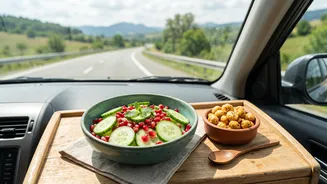
So, what should you eat? Dietitians recommend focusing on a balanced mix of lean protein, healthy fats, and complex carbohydrates to maintain steady energy levels. Instead of a fried chicken sandwich, consider a grilled chicken sandwich. Swap the fries for a side salad or some apple slices. These choices provide sustained energy without the dramatic blood sugar spikes and crashes associated with simple carbs and heavy fats. The goal is to give your body fuel it can use efficiently without weighing it down.
Smart, Packable Snack Solutions
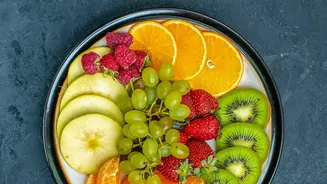
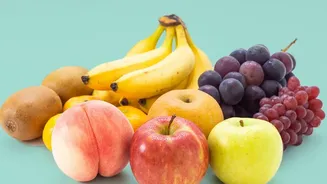
The best way to control your road trip diet is to pack your own snacks. This helps you avoid the temptation of gas station junk food. Focus on items that are easy to eat, don't make a mess, and provide a good balance of nutrients. Great options include: unsalted nuts and seeds, which offer protein and healthy fats; whole fruits like apples and bananas; preportioned bags of wholegrain crackers or pretzels; string cheese or yogurt cups for a protein boost; and hardboiled eggs. For hydration, water is always the best choice to avoid the sugary crash that comes from sodas and energy drinks.