



Know the General Risks
The rainy season significantly increases the risk of contamination in fresh produce. High humidity and damp soil are ideal for the growth of bacteria, fungi, and other pathogens. Issues like waterlogging can lead to contaminated water being used for irrigation,
potentially spreading diseases like gastroenteritis, cholera, and typhoid. Additionally, produce is more likely to carry mud, hidden insects, and pesticide residues during this time. This doesn't mean you should avoid fresh produce, but it does mean you need to shop with a more critical eye.
The Leafy Green Dilemma
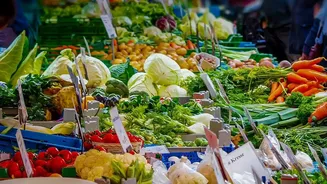
Leafy greens like spinach, cabbage, and lettuce require the most caution during the monsoon. Their many layers can easily trap mud, moisture, and tiny insects, making them difficult to clean thoroughly. This damp environment is a favourable breeding ground for germs that can cause stomach infections. When buying leafy greens, inspect them for signs of decay, insect damage, and excess grit. It's often safer to opt for vegetables that have been thoroughly cooked rather than consuming them raw in salads. If you do buy them, be prepared for a rigorous cleaning process.
Scrutinize Cruciferous and Root Vegetables
Vegetables like cauliflower and broccoli have many nooks and crannies that can trap moisture and harbor bacterial growth. Similarly, root vegetables such as potatoes, carrots, and onions grow underground and are prone to soil contamination, a risk that gets higher during the monsoon. When purchasing, look for produce that is firm and free from soft spots, bruises, or visible mould. Avoid vegetables that look waterlogged or have started to sprout. For root vegetables, check for a dry, firm surface and brush off any excess mud before making your selection.
Selecting Other Seasonal Vegetables and Fruits
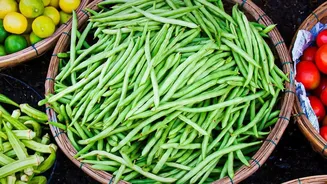
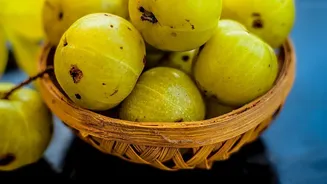
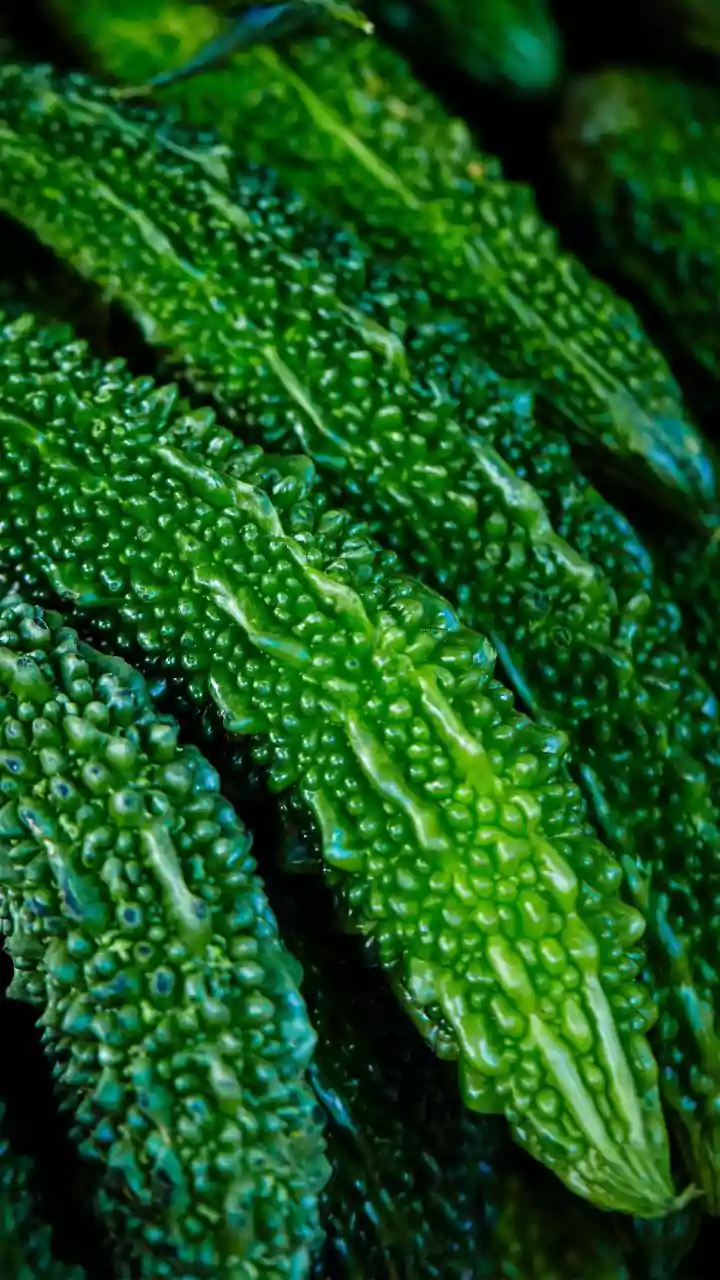
Gourds like lauki (bottle gourd) and karela (bitter gourd), along with bhindi (okra) and beans, are generally good choices during the monsoon. When selecting them, choose items that are firm, brightly coloured, and feel fresh. For fruits like jamun, plums, peaches, and pears, check for an intact peel without any cuts, bruises, or soft spots, as these can be entry points for pathogens. It is always safer to buy whole fruits and vegetables rather than pre-cut varieties, which have a higher risk of contamination from exposure to the humid air.
Post-Purchase Cleaning is Non-Negotiable
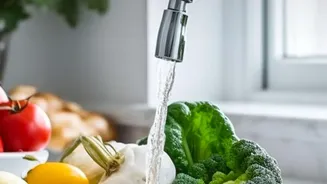
Once you bring your produce home, the work isn't over. The first step is to rinse everything thoroughly under clean, running water to remove loose dirt and surface contaminants. For an extra level of cleaning, especially for leafy greens, consider soaking them in a solution of salt water or vinegar water for 10-15 minutes. This can help draw out hidden insects and reduce microbial presence. After washing, it's crucial to dry the produce completely with a clean cloth or by letting it air dry, as leftover moisture encourages spoilage and fungal growth even in the refrigerator.
Smart Storage Solutions
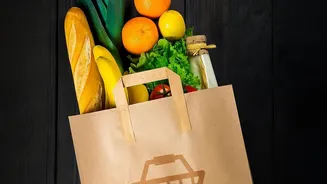
Proper storage is key to extending the life of your produce during the humid monsoon months. Avoid buying in bulk; instead, purchase smaller quantities that you will use within a few days. Store most vegetables in the refrigerator to slow down spoilage. Use breathable bags or wrap items in paper towels instead of sealing them in airtight plastic, which traps moisture and accelerates decay. Following the 'first in, first out' principle by placing older items at the front of your fridge helps ensure you use everything before it goes bad.