



Why the Sudden Schedule Changes?
Indian Railways often modifies its schedules in August to ensure passenger safety and operational efficiency during the peak monsoon season. This year is no different. Widespread changes, including cancellations, diversions, and adjusted timings, are
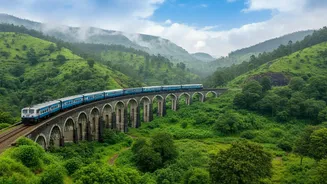
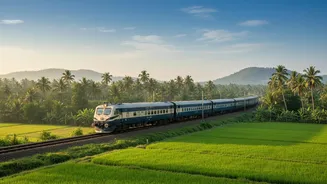
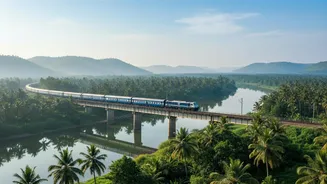
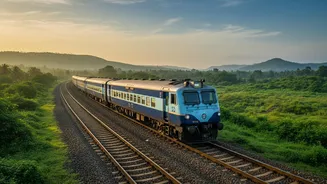
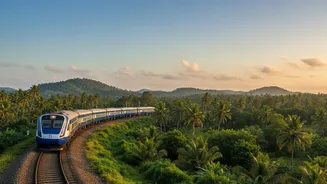
being implemented across several zones. The primary reasons include the annual monsoon timetable for routes prone to heavy rainfall, like the Konkan Railway, and essential infrastructure upgrades in various corridors. For instance, many services on the Konkan line, which connects Maharashtra, Goa, and Kerala, are operating on a revised schedule with reduced speeds to prevent accidents caused by landslides or waterlogging. This monsoon schedule will remain in effect until mid-October, impacting journey durations for premium trains like Vande Bharat and Rajdhani Express.
Festival Rush and Maintenance Work
Beyond the monsoon, August sees a flurry of activity with special trains announced for upcoming festivals like Ganesh Chaturthi, which leads to a massive surge in travel, particularly in the western and southern regions. Central Railway has already announced 246 special services to manage this rush, with bookings opening in early August. Simultaneously, non-interlocking (NI) work for infrastructure projects, such as the commissioning of a new bridge in Bihar, is causing hundreds of train cancellations and diversions, primarily affecting services in the East Central Railway zone later in the season. These overlapping factors create a complex and dynamic schedule, making it essential for passengers to stay informed.
Your First Step: Check and Re-Check Your Train
Given these disruptions, your confirmed ticket might not be as secure as you think. Your train could be cancelled, partially terminated, or rerouted. Therefore, the most important action is to verify your train's status using its number on the National Train Enquiry System (NTES) portal or the IRCTC Rail Connect app. These platforms provide real-time information on cancellations, diversions, and delays. If your service is affected, the next logical step is to explore alternate travel dates. A day or two before or after your original booking might have better availability or unaffected services. Flexibility is key to navigating this period of uncertainty.
How to Find and Book Alternatives
If your original plan is disrupted, don't just cancel. First, search for trains on nearby dates. With the phased booking for festival specials and other services, seats on a different day may be available. When searching on the IRCTC website, use the “Flexible with Date” option to see availability across a wider window. Also, look for special or 'clone' trains that Indian Railways often introduces on high-demand routes. These might not appear in initial searches but can be a lifeline. If your train is cancelled, IRCTC will process an automatic refund for online tickets, but for partial cancellations or self-cancellations, you may need to file a Ticket Deposit Receipt (TDR). Acting quickly ensures you have the best chance of securing a new booking without significant financial loss.
Tips for August Train Travellers
Navigating train travel in August requires a proactive approach. Beyond just checking dates, always verify your train’s live running status before leaving for the station to avoid long waits for a delayed or rescheduled service. Keep an eye on SMS alerts from IRCTC, as the railways often send notifications about schedule changes to registered mobile numbers. Because disruptions can happen with little notice due to weather or technical snags, having a backup plan, such as an intercity bus route, is a wise precaution, especially for shorter journeys. Finally, pack light if possible, as platforms can be more crowded than usual with passengers scrambling to find their train information.