


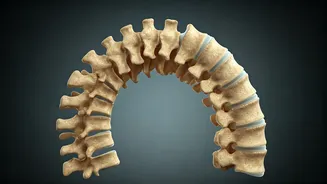




Understanding Slouching Fatigue
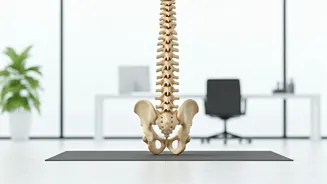
Slouching fatigue isn't just about feeling tired; it’s a direct consequence of a sedentary workday. When you sit for prolonged periods, your body enters a passive state. Your supportive muscles, like your glutes and core, essentially 'turn off.' [14]
This forces your body to rely on ligaments and connective tissues to hold you up, structures not designed for long-term load-bearing. This leads to a cascade of issues: your hip flexors shorten and tighten, your shoulders round forward, and your head drifts in front of your shoulders. [6, 11] This poor posture forces your body to work harder just to stay upright, leading to chronic muscle tension, reduced oxygen flow, and a constant drain on your energy. [20, 22] Studies have linked prolonged sitting to increased back pain, weakened leg muscles, and even a higher risk for chronic conditions like heart disease and diabetes. [2, 4]
Why Deep Squats Are a Powerful Fix
A deep squat is a fundamental human movement that directly counteracts the negative effects of sitting. Performing squats awakens the very muscles that become dormant at your desk. They activate your glutes, hamstrings, and quadriceps, which are crucial for lower body strength and stability. [1, 8] Squats also heavily engage your core muscles, which are essential for maintaining an upright posture and supporting your spine. [6, 10] A strong core helps prevent the slouching that leads to back and neck pain. [8] Furthermore, the movement helps improve mobility and flexibility in your hips, which often become stiff and tight from being in a seated position for hours. [1, 6] By strengthening these key muscle groups, squats help your body maintain proper alignment naturally, improving your posture even when you are not exercising. [1, 10]
How to Do a Perfect (and Safe) Desk Squat
You don't need a gym or special equipment. You can use your own body weight right in your workspace. Stand with your feet about shoulder-width apart, with your toes pointing slightly outward. [1] For balance, you can lightly hold onto your desk. Keeping your chest up and your back straight, hinge at your hips and push your buttocks back as if you are about to sit in a chair. [1, 21] Lower your body as far as you can comfortably go, ideally until your thighs are parallel to the ground or lower, without your back rounding. [18] Ensure your knees track in line with your toes and don't collapse inward. [18] Keep your weight in your heels, not your toes. Pause for a moment at the bottom, then drive back up to the starting position by pushing through your heels. [1] Inhale as you lower down and exhale as you push back up. [1] The key is controlled movement, not speed. [23]
Making It a Daily Habit
The goal is consistency, not intensity. Aiming for 20 squats a day is an achievable target that can make a significant difference. To make it a habit, try linking the exercise to an existing part of your routine. For example, do 10 squats before your lunch break and 10 in the mid-afternoon when you feel your energy dipping. Or, use it as a reset after a long meeting or phone call. Some studies show that even short, five-minute movement breaks every hour can help counteract the health risks of sitting and reduce fatigue. [16] You can start with a lower number of reps or do half-squats if you're new to the movement. [21] Listen to your body and gradually increase the depth and number of repetitions as you get stronger and more mobile. The most effective routine is the one you can stick with day after day.
Beyond the Squat: More Desk-Friendly Fixes
While squats are a fantastic all-in-one exercise, variety is also beneficial. Incorporate other simple movements throughout your day to keep your body active and your mind sharp. Try seated spinal twists to relieve back tension, or neck stretches where you gently tilt your head from side to side to ease stiffness. [9] Chest and shoulder stretches can help counteract the forward slump from typing; try interlacing your fingers behind your back and opening up your chest. [9] Even simple acts like standing up during phone calls, taking the stairs instead of the elevator, or walking over to a colleague's desk instead of sending an email contribute to a more active workday. [13] The main principle is to break up long periods of sitting as often as possible.