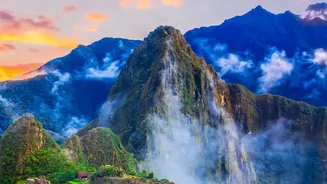




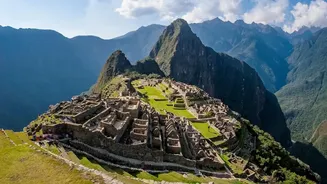
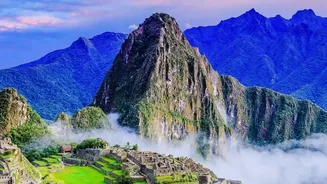
Peru calls to travellers with visions of lost Inca cities and vibrant Andean culture. But the reality at its most famous landmarks can be one of queues and crowds, where the magic is muted by the sheer volume of visitors. So what's the real story?
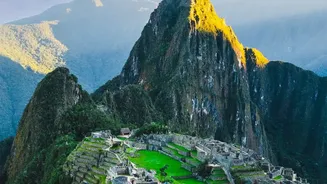
Machu Picchu: The Crowded Citadel
The
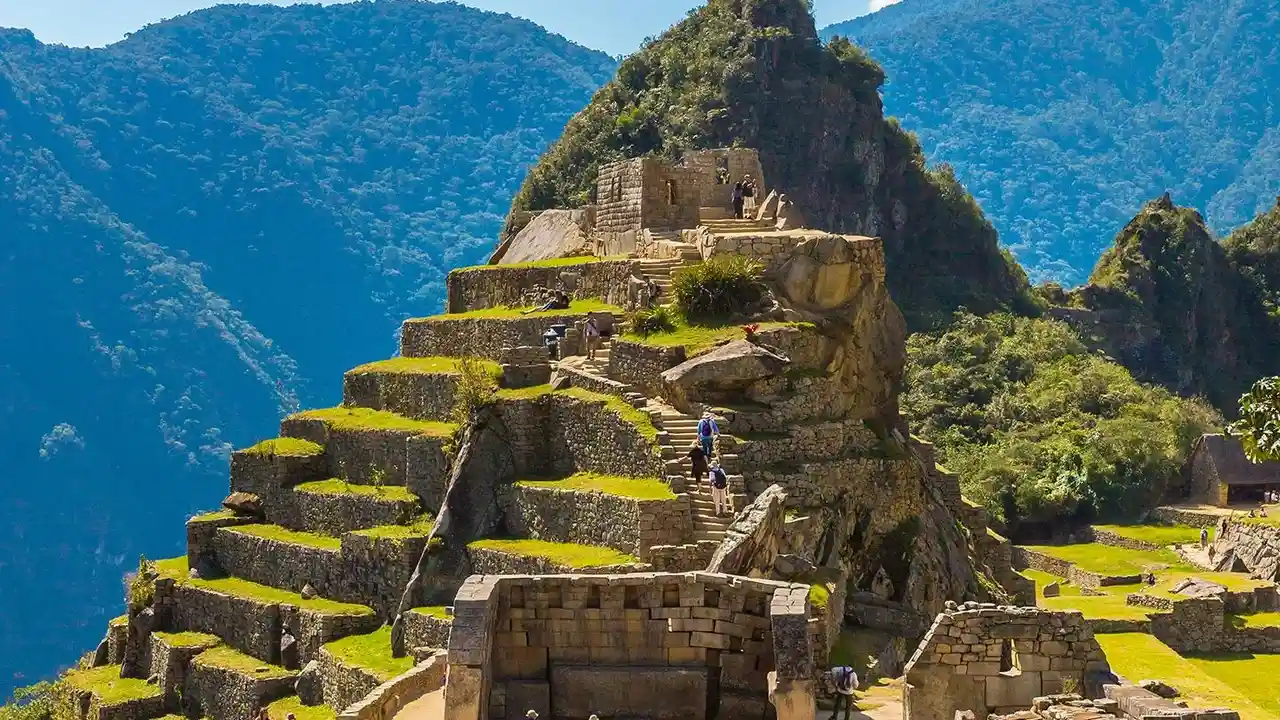
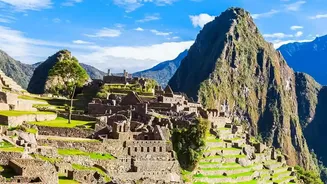
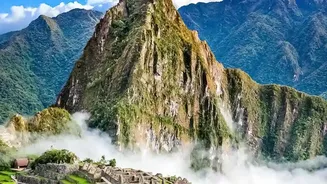
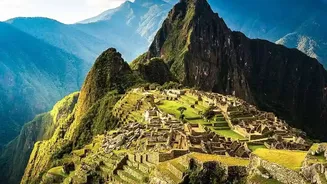
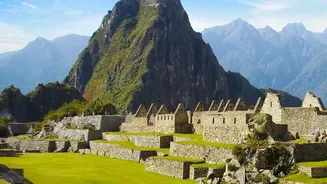
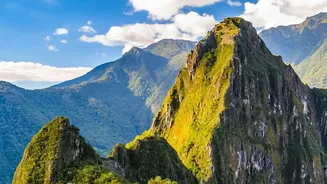
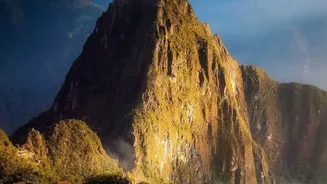
image of Machu Picchu, a mystical stone city wreathed in mist, is what draws millions to Peru. It is, without question, a wonder of the world. However, the experience of visiting can feel less like discovery and more like a tightly controlled tour. To protect the fragile ruins from the impact of overtourism, authorities have implemented strict measures. Visitors must now purchase tickets for specific time slots and follow one of several pre-determined, one-way circuits, often with a guide. This means your time is limited, your path is fixed, and the feeling of personal exploration is significantly curtailed. The days of wandering freely through the ancient citadel are long gone, replaced by a procession of fellow tourists that can make it hard to soak in the atmosphere. Instead of forgoing it entirely, consider visiting during the shoulder seasons (April, May, September, or October) for slightly fewer people. For a truly adventurous alternative, the challenging multi-day trek to Choquequirao offers a similar, albeit less excavated, Inca city experience with a tiny fraction of the visitors. Often called Machu Picchu's 'sister city', it delivers breathtaking views and a profound sense of solitude that has become scarce at its more famous counterpart.
Vinicunca (Rainbow Mountain): A Fragile Beauty
Thanks to social media, Vinicunca, or Rainbow Mountain, has exploded in popularity over the last decade. Its surreal, candy-coloured stripes are undeniably photogenic. But this surge in fame has come at a steep environmental cost. The fragile, high-altitude ecosystem is suffering from severe soil erosion caused by the footsteps of thousands of daily visitors and their pack animals. The main trail has become a wide, eroded scar on the landscape, and what was once a pristine wetland has been converted into a parking lot to accommodate tour vans. Many tour operators also downplay the difficulty of the high-altitude hike (over 5,000 metres), leading to health issues for unprepared travellers. For a more sustainable and arguably more spectacular experience, consider a trip to the nearby Palccoyo Mountains. Palccoyo offers views of not one, but three distinct rainbow mountains, plus a 'stone forest'. The hike is significantly shorter and gentler, making it more accessible for different fitness levels while still providing the incredible painted-hills scenery, all without the destructive crowds of Vinicunca.
Huacachina: The Disappearing Oasis
The desert oasis of Huacachina looks like a mirage: a perfect blue-green lagoon surrounded by towering sand dunes. It has become a hotspot for dune buggying and sandboarding. The problem is that the oasis is no longer entirely natural. The lagoon's water level has dropped dramatically over the years, primarily due to groundwater extraction for agriculture in the surrounding Ica valley. Since around 2015, the lagoon has been artificially maintained by pumping in water to keep it from disappearing completely. Beyond the environmental strain, the town itself is built entirely around tourism, and the vibe can feel more like a backpacker party hub than a tranquil natural wonder. For a more authentic desert and coastal experience, the nearby Paracas National Reserve is an excellent alternative. It offers stunning coastal desert landscapes where the desert meets the Pacific Ocean, dramatic cliffs, and the Ballestas Islands, which are teeming with wildlife like sea lions and Humboldt penguins, providing a richer, more diverse encounter with Peru’s coastal environment.