






Problem: The Unrelenting Oil Slick
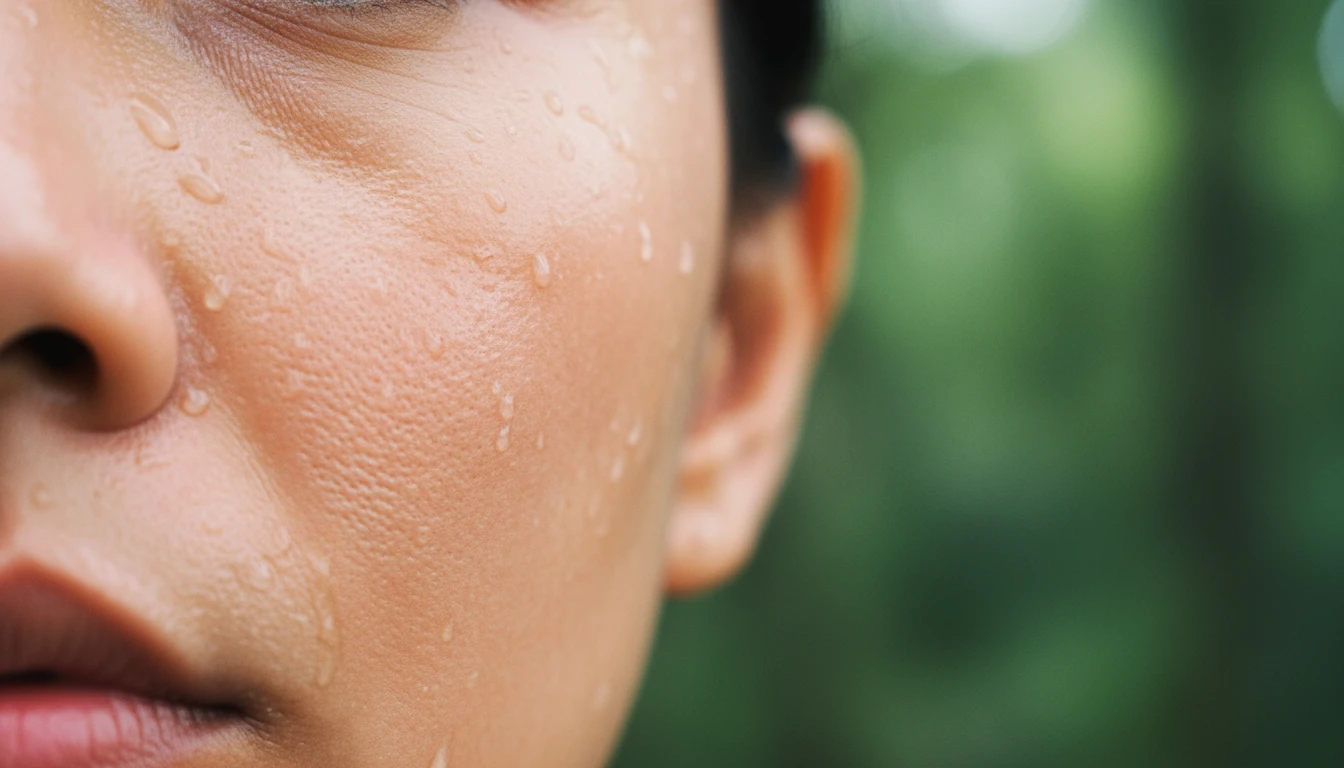
The most immediate change you’ll notice in July is the spike in humidity. This warm, moist air stimulates your sebaceous glands to go into overdrive, producing more oil. This often leaves your face feeling greasy, sticky, and perpetually shiny. Many people
respond by washing their face aggressively, but this can backfire. Stripping the skin of its natural oils damages its protective barrier, ironically causing it to produce even more oil to compensate. The result is a vicious cycle of oiliness and breakouts.
Solution: Go Light and Gentle
Instead of harsh scrubbing, switch to a gentle, gel-based or foaming cleanser twice a day. Look for ingredients like salicylic acid, niacinamide, or green tea, which help manage oil without stripping the skin. This is also the time to rethink your moisturiser. It's a common mistake to skip this step in humid weather, but your skin still needs hydration. The key is to swap heavy creams for lightweight, non-comedogenic (pore-clogging) formulas. Gel-based moisturisers with hyaluronic acid are perfect, as they provide essential hydration without leaving a greasy film.
Problem: The Myth of the Cloud-Covered Sun
One of the most dangerous monsoon skincare myths is that cloudy skies mean you can skip sunscreen. Nothing could be further from the truth. Up to 80% of the sun’s harmful ultraviolet (UV) rays can penetrate cloud cover. These UVA rays, which are responsible for premature ageing, wrinkles, and pigmentation, remain consistent year-round, regardless of the weather. In fact, overcast conditions can sometimes scatter UV rays, increasing their intensity. Forgoing sunscreen in July leaves your skin vulnerable to long-term damage that may only become visible months later.
Solution: Make Sunscreen Non-Negotiable
Continue to apply a broad-spectrum sunscreen with an SPF of 30 or higher every single day. Given the humidity and potential for getting caught in the rain, a water-resistant formula is an excellent choice. To avoid a sticky, heavy feeling, opt for modern lightweight gel or fluid sunscreens that feel comfortable on the skin. Reapplication is also crucial, especially if you’ve been sweating or have wiped your face. Remember, sunscreen is your primary defence against long-term sun damage, making it an essential final step in your morning routine, 365 days a year.
Problem: Unwanted Fungal and Bacterial Guests
The combination of heat, humidity, and moisture creates the perfect breeding ground for fungi and bacteria. This leads to a rise in skin infections like ringworm, athlete's foot, and folliculitis (inflamed hair follicles). These often appear as itchy, red, or bumpy rashes in skin folds, between the toes, or on the back and arms. Wearing damp clothes, tight synthetic fabrics, or not drying off properly after getting wet significantly increases your risk.
Solution: Prioritise Keeping Dry and Clean
The fix for fungal issues is simple but requires diligence. Bathe daily and always shower after getting caught in the rain or after a workout. Thoroughly towel-dry your body, paying special attention to skin folds like underarms and the area between your toes. Opt for loose, breathable cotton clothing over tight synthetics to allow for better air circulation. Using an antifungal powder in prone areas can also be a helpful preventative measure. If a rash appears, resist the urge to self-medicate with over-the-counter steroid creams, which can often worsen the infection, and consult a dermatologist instead.