

A Sweet Forged in Legend
The story of Mathura is inseparable from Lord Krishna, and so is the story of its most famous culinary export. The region, known as Braj Bhoomi, has a strong dairy tradition, rooted in the pastoral life of Krishna, who is often called 'Makhan Chor' or the butter
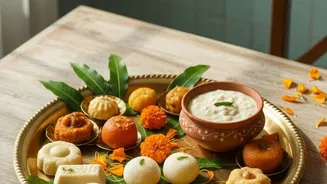
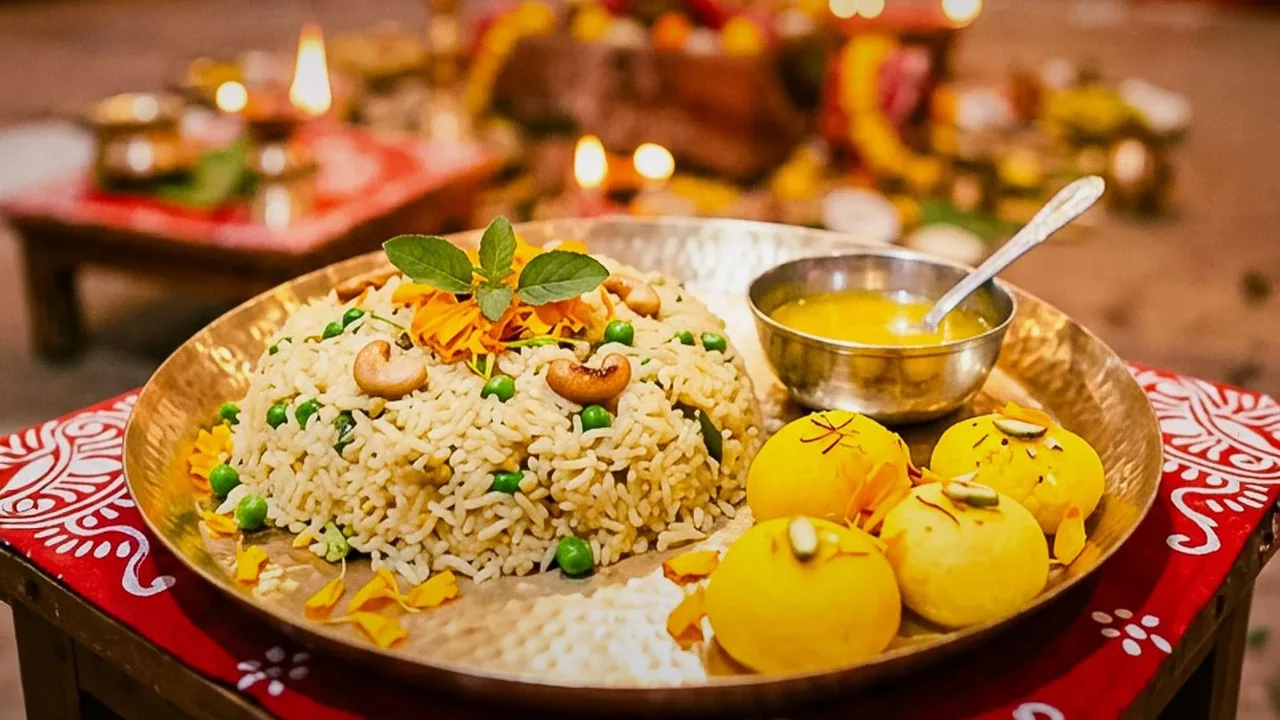
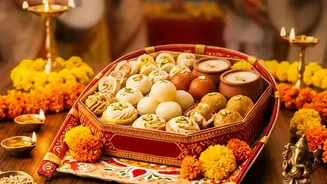
thief. It is within this milk-rich culture that the peda is believed to have originated. While exact historical records are scarce, oral traditions suggest that milk-based sweets have been a part of Mathura for centuries, primarily as 'prasad'—a blessed offering made to deities in temples and then distributed among devotees. This religious significance elevated the peda from a simple sweet to a sacred offering, a symbol of divine grace that pilgrims would carry back home, spreading its fame across the country.
The Art of the Peda: More Than Just Milk and Sugar
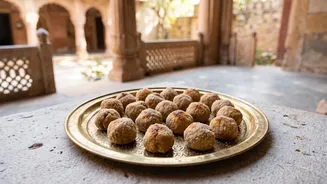
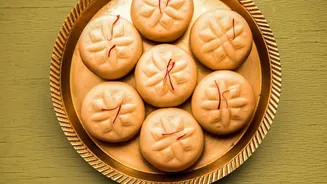
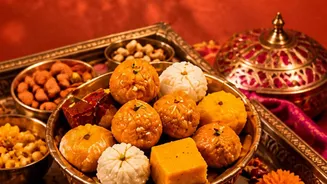
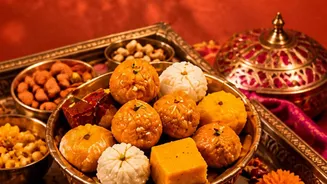
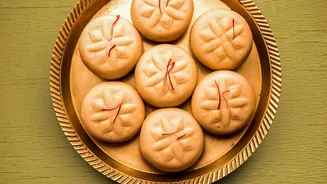
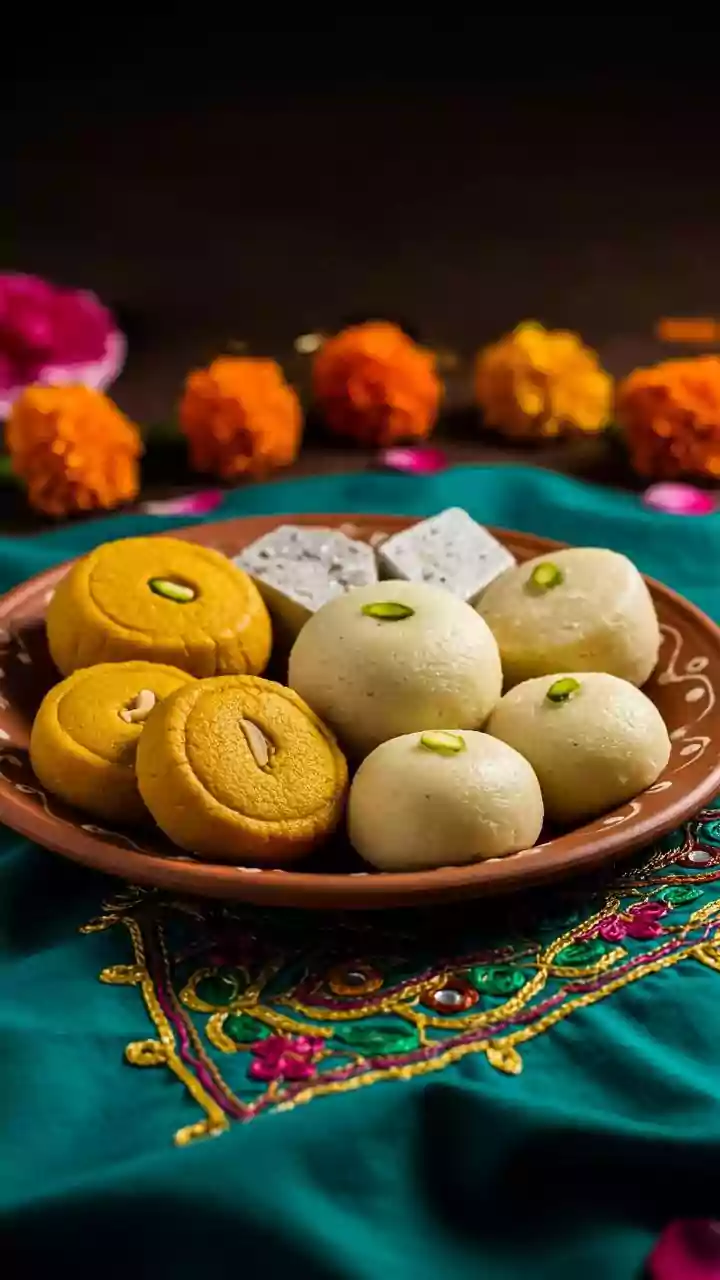
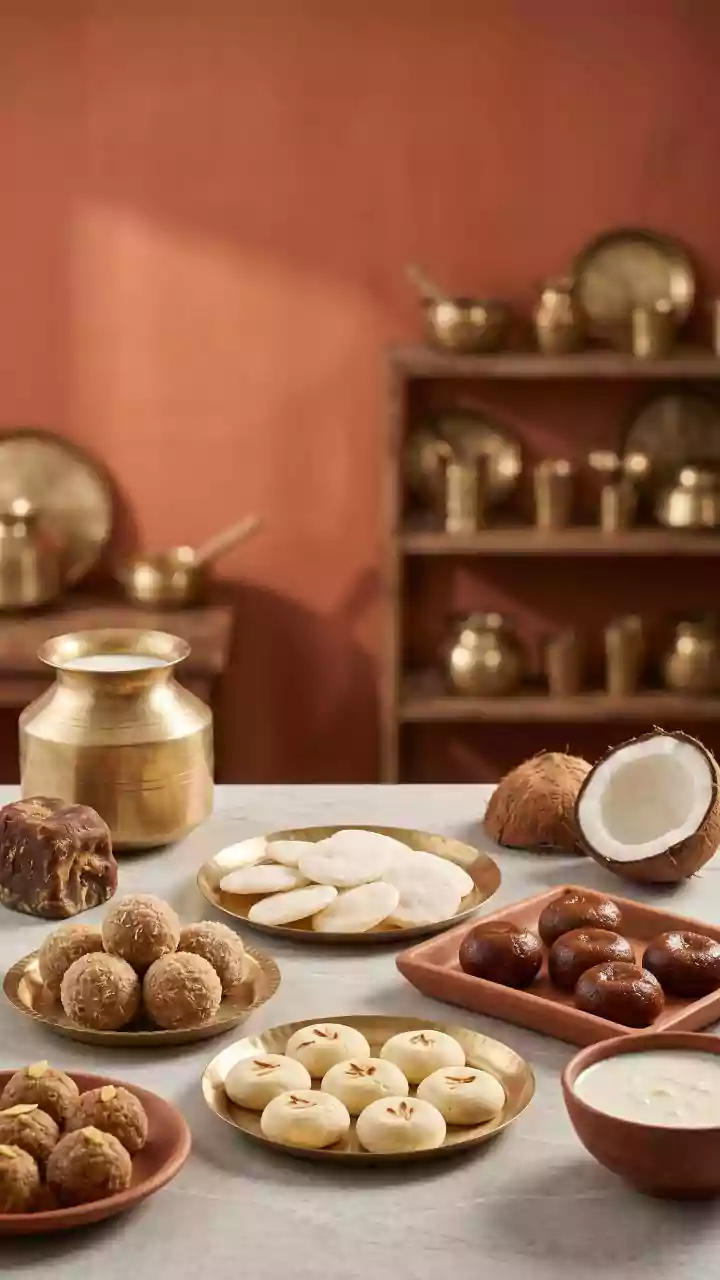
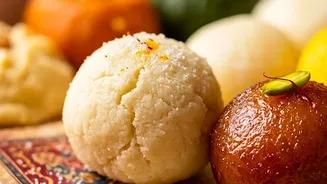
What distinguishes Mathura's peda from countless other varieties found across India is its unique texture and flavour, born from a patient, traditional cooking process. The primary ingredient is khoya or mawa—milk that has been simmered for hours until most of its moisture evaporates, leaving behind crumbly milk solids. The true magic happens in the next step: the khoya is slow-roasted, a technique called 'bhun-na', until the milk sugars caramelise. This gives the peda its signature light brown colour, a slightly grainy texture, and a deep, nutty flavour that is far more complex than a simple milky sweetness. Finally, sugar, often a specific type called 'tagar' or 'bura', is mixed in, along with a hint of cardamom. The small discs are then sometimes rolled in powdered sugar, giving them a dusty, inviting appearance.
The Fight for Authenticity
With fame comes imitation, and the market is flooded with pedas that use the 'Mathura' name without adhering to its traditional preparation. The use of fake or adulterated khoya is a recurring problem, especially during festival seasons. To protect its heritage, there has been a long-standing effort to secure a Geographical Indication (GI) tag for the Mathura Peda. A GI tag is a form of legal protection that certifies a product's origin and authentic production methods. The application was filed by the local Mithai Association and is currently in process. As of mid-2026, while other local products from Mathura like Sanjhi Art and Kanthi Mala beads have received their GI tags, the one for the iconic peda was still described as 'underway'. Securing the tag would be a crucial step in preserving the sweet's authenticity and ensuring that consumers are getting the genuine article.
A Jewel in Uttar Pradesh's Culinary Crown
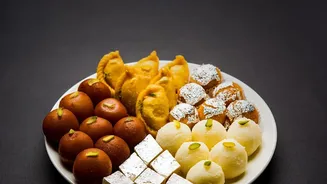
While Mathura is the undisputed capital of peda, the sweet is just one part of the incredibly diverse food landscape of Uttar Pradesh. The state's cuisine is a rich tapestry woven from various cultural threads, from the royal Awadhi kitchens of Lucknow to the rustic, hearty meals of the eastern regions. In Lucknow, you find the delicate, fragrant Awadhi Biryani and melt-in-the-mouth Galouti Kebabs, a legacy of the Mughlai influence. Agra, while famous for the Taj Mahal, is equally known for its translucent sweet, Petha, made from ash gourd. Varanasi offers a spiritual experience alongside its legendary street food, including Kachori-Sabzi and a variety of chaats. Further east, the cuisine features dishes like Baati Chokha, a rustic staple of baked wheat balls served with a mash of roasted vegetables. Each region brings its own unique flavours, making Uttar Pradesh a treasure trove for any food lover.