
The Hidden Dangers of Damp Paws
During the monsoon, your dog's paws are constantly exposed to a combination of moisture, mud, and street contaminants. This creates the perfect breeding ground for fungi and bacteria. The spaces between their toes and paw pads can trap moisture, leading
to painful conditions like pododermatitis (inflammation of the paws), yeast infections, and other fungal issues. High humidity makes it difficult for fur to dry naturally, increasing the risk. Fungi that normally live on a dog's skin without issue can multiply rapidly in these warm, damp conditions, causing irritation and infection.
Before You Walk: Simple Protective Steps
Prevention starts before you even step out the door. For dogs who will tolerate them, waterproof booties offer excellent protection against mud, sharp objects, and contaminated water. If your dog refuses footwear, applying a thin layer of a pet-safe paw balm or wax can create a protective barrier. These balms help repel some moisture and prevent the paw pads from becoming overly soft or cracked from constant wetness. Additionally, keeping the fur between your dog's toes trimmed short is a simple but effective grooming tip. It prevents mud and debris from getting caked in and allows the paws to dry much faster.
The Post-Walk Cleaning Protocol
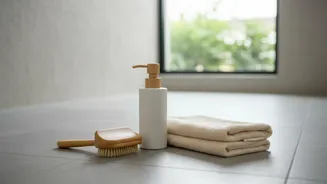
This three-step routine after every single walk is non-negotiable for preventing infections. Consistency is the most important factor. Create a designated cleaning station by your door with a towel, a basin of water, and any cleaning supplies to make it a quick and easy habit.
Step 1: Wipe and Inspect
As soon as you are home, use a clean, absorbent towel—microfiber works best—to wipe down your dog's paws and legs. This removes the initial layer of mud, dirt, and moisture. Take this opportunity to do a quick visual inspection. Check between the toes and pads for any cuts, redness, swelling, or foreign objects like pebbles or glass. Pet-safe grooming wipes can also be used for a quick clean-up after walks on less muddy days.
Step 2: Wash and Cleanse
If paws are particularly muddy, a simple wipe-down isn't enough. Wash them with lukewarm water. You can use a gentle, pet-safe antiseptic cleanser or a mild dog shampoo for a more thorough cleaning. Be sure to gently clean between the digits, as this is where moisture and fungi love to hide. Avoid using human soaps or harsh detergents, as they can strip the natural oils from your dog's skin and cause irritation. After washing, rinse thoroughly to ensure no soap residue is left behind.
Step 3: Dry, Dry, and Dry Again
This is arguably the most critical step. Fungal infections thrive in moisture, so leaving paws even slightly damp defeats the purpose of cleaning. Use a soft, dry towel and be meticulous about drying between each toe and around every nail. For dogs with long or thick fur, a towel alone may not be sufficient. Consider using a pet-safe hair dryer on a low and cool setting to ensure the undercoat is completely dry. Never leave paws to air-dry during the humid monsoon season.
Know the Warning Signs
Even with the best care, infections can happen. Be vigilant and watch for symptoms of a paw infection. The most common signs include persistent licking or chewing of the paws, redness and swelling, a musty or foul odour, and visible skin changes like crusts or discolouration. Your dog might also limp or seem reluctant to walk. Noticing these signs early is key to getting prompt and effective treatment.
When to Visit the Veterinarian
This protocol is a powerful preventative tool, but it does not replace professional medical advice. If you notice any of the warning signs of an infection, such as persistent redness, swelling, bleeding, limping, or a bad smell, it is crucial to consult your veterinarian immediately. Self-diagnosing or delaying treatment can allow a minor issue to become a serious and painful problem that may require antibiotics or antifungal medications to resolve.