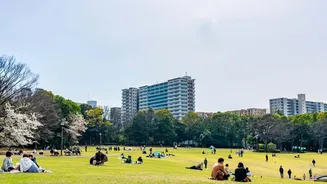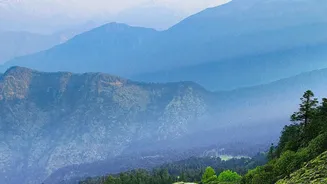






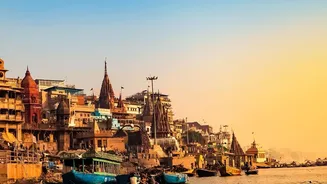
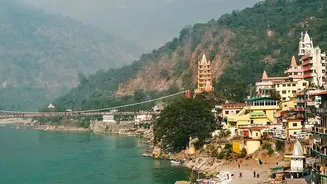

Feeling drained by city life? You're not alone. A new travel trend sees urbanites swapping traffic and screens for fresh air and quiet landscapes. These 'urban recovery holidays' are all about resetting your mind and body in nature's calm embrace.
The antidote to urban burnout
The
constant hum of traffic, endless screen time, and a relentless pace of life can lead to significant burnout. In response, a growing number of city residents are seeking holidays designed not for sightseeing, but for simple recovery. This trend, sometimes called an 'urban recovery holiday', prioritises peace, quiet, fresh air, and a direct connection with the natural world. Studies have repeatedly shown that spending time in nature can reduce stress, lower blood pressure, improve focus, and boost overall well-being. It is a direct reaction to digital overload and the mental fatigue of city living, where the primary goal is to return home feeling genuinely rested and restored.
Forest Bathing: A Walk in the Woods
One of the most popular forms of nature-based recovery is 'forest bathing', derived from the Japanese practice of Shinrin-yoku. This isn't about exercise, but about a slow, mindful immersion in a forest environment. The goal is to engage all your senses: listening to the birds, feeling the texture of bark, smelling the damp earth, and watching the light filter through the trees. The practice is scientifically linked to reduced stress hormones and a stronger immune system, thanks to compounds called phytoncides released by trees. In India, destinations in the Western Ghats like Coorg and Wayanad, along with Himalayan foothills near Jim Corbett and Palampur, are becoming hubs for this restorative practice.
Digital Detox: Disconnect to Reconnect
For many, a true recovery means silencing the constant pings and notifications from digital devices. Digital detox retreats are designed to facilitate this break by offering structured, screen-free environments. These holidays are often set in serene locations where connectivity is naturally low, from Himalayan retreats in Rishikesh and Manali to wellness centres near Bengaluru and Pune. The time usually spent scrolling is replaced with activities like yoga, meditation, pottery, reading, or simply being present. Research suggests that what makes a digital detox effective is not just the absence of screens, but filling that time with restorative activities like rest, movement, and connecting with people in real life. Many retreats require guests to surrender their devices upon arrival, ensuring an undistracted and deeply restful experience.
Farm Stays: A Taste of the Simple Life
Agri-tourism and farm stays offer another powerful way to recover from urban stress by reconnecting with the land. These experiences go beyond a simple rural holiday; they invite participation. Guests can join in on organic farming, learn about permaculture, enjoy meals made from freshly picked produce, or simply enjoy the slow rhythm of farm life. This form of travel provides a tangible connection to where food comes from, grounding visitors in the cycles of nature. Farm stays across India, from Tamil Nadu to Maharashtra and Haryana, are offering authentic, low-impact getaways perfect for families and individuals seeking a handson escape from city life.
Mountain and Riverside Sanctuaries
The timeless appeal of mountains and rivers provides a natural backdrop for recovery. The clean, crisp air of high altitude destinations and the calming sound of flowing water have a profound soothing effect. During periods of high urban pollution, many city dwellers from places like Delhi NCR make spontaneous trips to nearby hill stations like Kasauli or Bhimtal, simply to breathe cleaner air for a few days. For longer escapes, destinations like the Tirthan Valley in Himachal Pradesh or riverside camps along the Ganga in Rishikesh offer opportunities for quiet contemplation, gentle hikes, and a break from the sensory overload of the metropolis. Coastal towns with fresh sea breezes also provide a similar respite.