


1. The Magic of Fewer Footprints
Let’s be honest: navigating a historic site while jostling with a thousand other selfie sticks can dilute the experience. The monsoon, traditionally considered the 'off-season' in many tourist circuits, offers a remarkable solution. Popular destinations
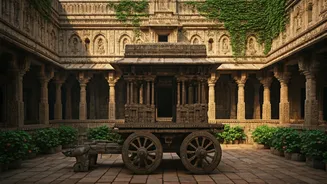
in states like Rajasthan, Madhya Pradesh, and Karnataka see a significant dip in tourist footfall from June to September. This opens up a rare opportunity for travellers to connect with heritage on a more intimate level. Imagine having the sprawling courtyards of Udaipur’s City Palace or the ancient ruins of Hampi almost to yourself. This quieter atmosphere allows for slower, more meaningful exploration, letting the history of a place sink in without the constant buzz of peak-season crowds. It’s a chance to hear the stories whispered by the stones, not just the chatter of tour groups.
2. Landscapes Reborn in Lush Hues
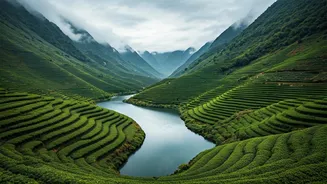
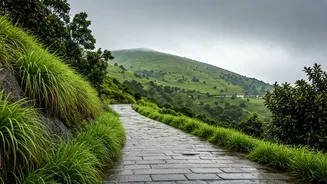
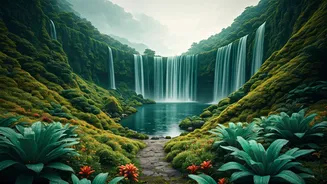
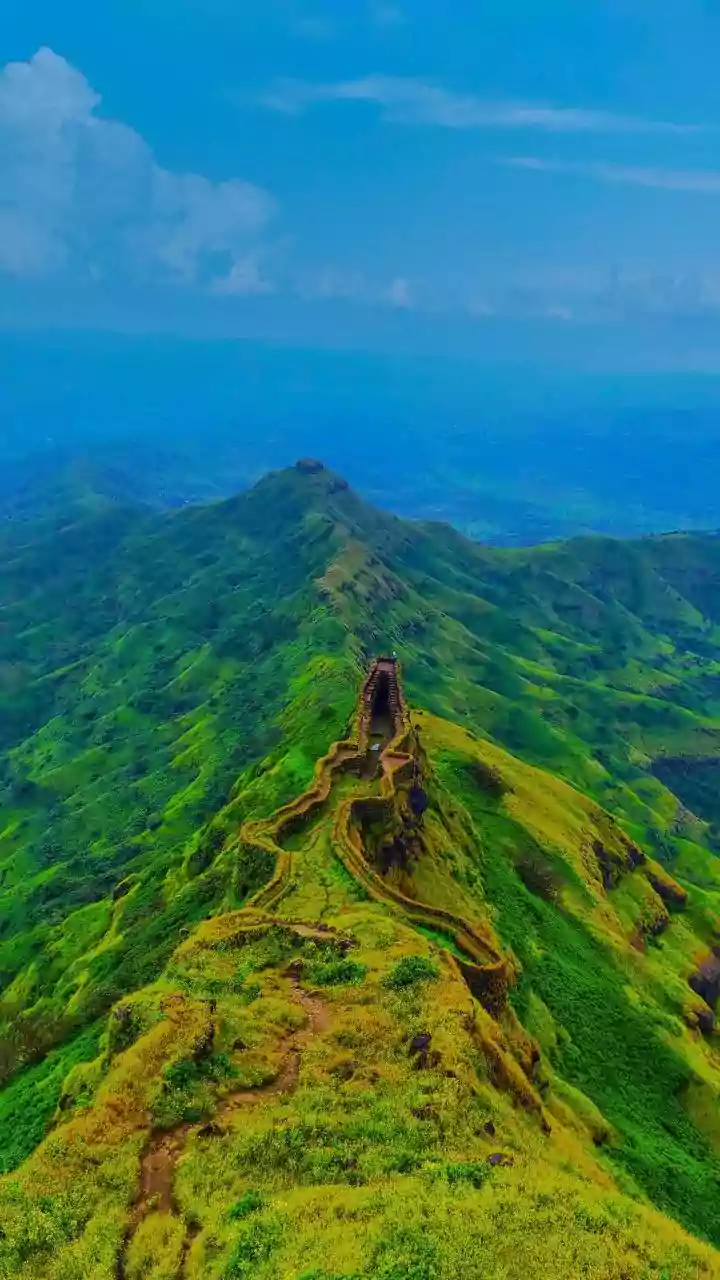
The Indian summer often leaves the landscape parched and dusty. But with the first rains, a dramatic transformation occurs. The arid Aravalis surrounding Rajasthani forts suddenly sport patches of green, and the Deccan Plateau’s stark beauty is softened by a verdant carpet. This natural makeover provides a stunning, almost surreal backdrop for cultural sites. The stone temples of Khajuraho, washed clean by the rain, stand out against a vibrant green. The magnificent fort-palace complex of Mandu in Madhya Pradesh, a destination practically designed for the monsoon, comes alive with mist-filled ravines and overflowing reservoirs. The rain doesn't just add beauty; it adds atmosphere, mood, and a layer of romanticism that the harsh summer sun simply cannot match. Photography enthusiasts, in particular, find the dramatic skies and saturated colours irresistible.
3. A Calendar of Unique Festivities
The monsoon isn't just a meteorological event; it's a cultural one. Across India, this season of renewal is celebrated with unique festivals that offer a deep dive into local traditions. In Rajasthan, the festival of Teej sees women in brightly coloured leheriya sarees celebrating the arrival of the monsoon with folk songs, dances, and decorated swings. Further south, the season culminates in Kerala’s grand Onam festival, a harvest celebration marked by elaborate floral carpets (pookalams), grand feasts (sadyas), and thrilling snake boat races. In Maharashtra, the Ganesh Chaturthi preparations begin in earnest, offering a glimpse into the community spirit. Planning a trip around these festivals provides a structured, vibrant, and incredibly immersive cultural experience that’s only available during this specific time of year.
4. The Appeal of Off-Season Economics
Beyond the aesthetic and cultural appeal, there's a strong practical reason driving this trend: value. As demand dips during the monsoon, so do prices. Airlines and hotels, particularly luxury and heritage properties, often roll out attractive deals and packages to entice travellers. A stay in a magnificent palace hotel in Udaipur or a boutique haveli in Jodhpur that might be prohibitively expensive in December becomes much more accessible in August. This economic advantage allows travellers to either extend their stays, upgrade their accommodation, or simply enjoy a culturally rich holiday without breaking the bank. For budget-conscious culture vultures, the monsoon is the golden window to experience India's famed hospitality and heritage in style.
5. A Time for Wellness and Rejuvenation
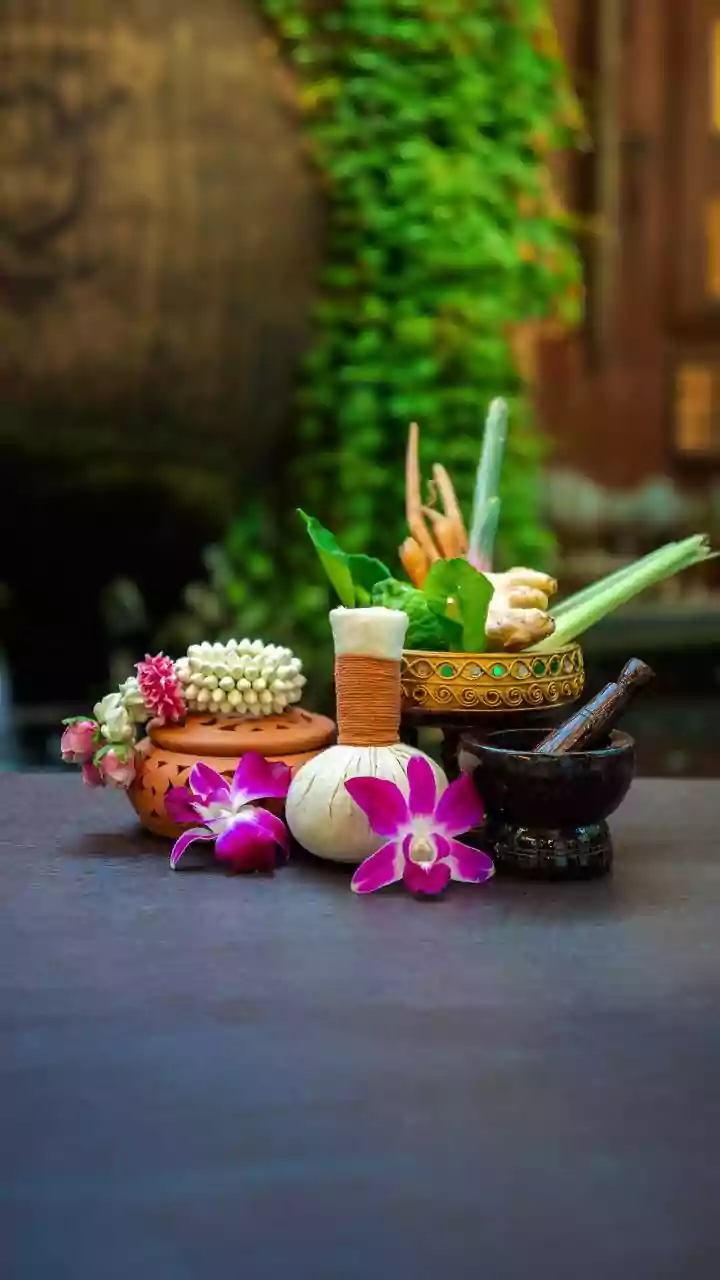
The monsoon has long been associated with healing and renewal in traditional Indian practices. According to Ayurvedic principles, the monsoon is the ideal time for rejuvenation therapies as the body is most receptive to treatments. The cool, moist, and dust-free atmosphere helps the body detoxify and heal. This has made Kerala a global hotspot for monsoon wellness tourism. Travellers combine visits to cultural sites with authentic Ayurvedic treatments, using the season's natural rhythm to rest and recuperate. This blend of cultural exploration and personal well-being is a powerful combination, turning a simple holiday into a holistic experience of rejuvenation for both mind and body.