







The Wall: Understanding Sprint Fatigue
Sprinting, whether on a track, a football pitch, or a cricket wicket, demands an explosive, all-out effort. This type of high-intensity activity rapidly depletes energy stores and floods muscles with metabolic by-products, leading to a swift decline in power
and performance. This is often felt as a sudden heaviness or inability to maintain maximum speed, what many athletes call 'hitting the wall'. For decades, training focused on pushing this wall further back through conditioning. Now, nutritional science is offering a compelling way to manage it from the inside out, by improving how efficiently the body uses oxygen and fuel during these critical, short-duration bursts of power.
Nature's Performance Booster: What is Dietary Nitrate?
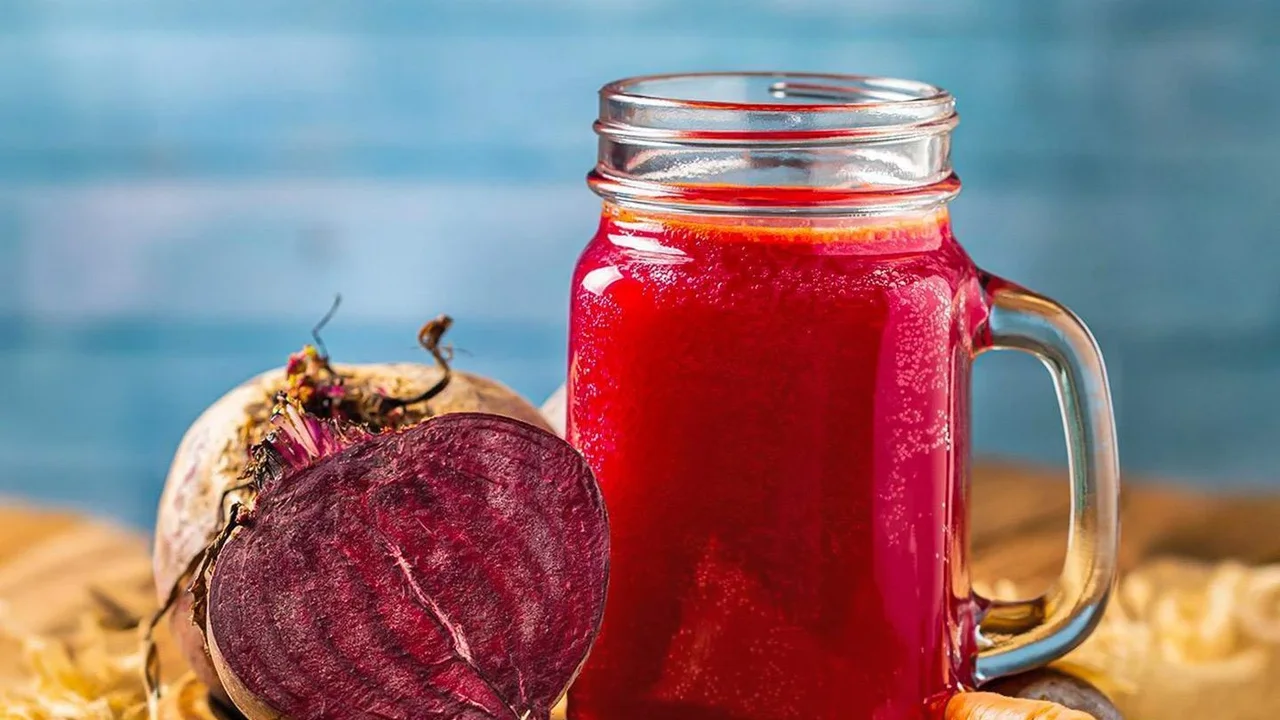
The secret weapon at the heart of this research is dietary nitrate (NO3−), a naturally occurring compound abundant in leafy green vegetables like spinach and arugula, and most famously, in beetroot. For years, nitrates were viewed cautiously, but a wave of sports science research has rebranded them as a potent ergogenic, or performance-enhancing, aid. When you consume nitrate-rich foods, a fascinating biological process kicks off. This process is key to understanding how a simple glass of beetroot juice can translate into more power on the field or track. It’s not magic, but a clever use of the body's own pathways to unlock greater efficiency when it's needed most.
The Science: From Nitrate to Nitric Oxide
The performance benefits don’t come from nitrate itself, but from what it becomes: nitric oxide (NO). When you ingest nitrate, bacteria in your mouth convert it into nitrite (NO2−). This nitrite then travels through your system and, particularly in areas of low oxygen like hard-working muscles, is converted into nitric oxide. Nitric oxide is a powerful vasodilator, meaning it helps relax and widen blood vessels. This improved blood flow allows for more efficient delivery of oxygen and nutrients to your muscles while also helping to clear out the metabolic waste that contributes to fatigue. Essentially, it allows your muscles to do more work with less oxygen, delaying the point of exhaustion.
What the Research Says About Sprinting
While early research focused on endurance benefits, recent studies have honed in on high-intensity, short-duration exercise like sprinting. A 2023 meta-analysis confirmed that nitrate supplementation has small but positive effects on performance in high-intensity exercise, including improving the time to reach peak power. Studies have shown that consuming dietary nitrate can increase muscle force by as much as seven per cent during maximal-intensity exercise. However, the evidence is not uniformly positive, with some studies showing no significant improvement in repeated sprint times, indicating that the benefits might be specific to certain types of sprint activities and individual athletes. The consensus is that nitrate appears most effective for enhancing muscle power and may help athletes reach their top speed faster.
Applying the Science: Dosing and Timing
The headline's term 'micro-dosing' might be slightly misleading. The research doesn't focus on sub-perceptible doses but rather on consistent, strategic supplementation. The effective dose to see performance benefits generally falls between 6 to 8 millimoles (mmol) of nitrate. This is equivalent to about 500ml of standard beetroot juice or one to two concentrated 70ml beetroot 'shots'. For best results, this should be consumed around 2 to 3 hours before exercise to allow plasma nitrate levels to peak. Some research also suggests that 'loading'—taking a daily dose for three to six days leading up to a competition—can be more effective than a single acute dose, especially for improving overall muscle efficiency. It's also worth noting that while some athletes see significant gains, others may not respond as strongly, and effects appear less pronounced in elite athletes who may already have optimised nitric oxide pathways.