






The Soundtrack of Support
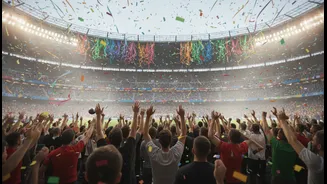
Every World Cup has its own unique soundtrack, a vibrant mix of global hits and fiercely local anthems. For decades, the simple, universal chant of "Olé, Olé, Olé" has echoed in stadiums across continents. Yet, it's the national songs that truly capture
the spirit of the fans. England supporters, whether in pubs or packed fan zones, belt out "Football's Coming Home" with a blend of hope and irony. Argentinian fans are known for turning stadiums into choirs, sustaining emotional ballads like "Muchachos" long after the final whistle. In Brazil, the celebration is inseparable from the rhythm of samba, with drums and dancing taking over streets and fan parks, transforming any gathering into a carnival. These songs are more than just noise; they are expressions of identity, vehicles for collective joy and sorrow that bind strangers together in a single, powerful voice.
A Feast of Football
Around the world, watching a World Cup match is an event best served with food. These culinary traditions are as diverse as the teams themselves, turning living rooms and public squares into extensions of the national table. In Argentina, the 'asado' is a sacred ritual. Friends and family gather for a slow-cooked barbecue, a social ceremony that is as important as the match itself. The national team has even been known to ship hundreds of kilograms of beef to their tournament base camp to maintain this connection to home. Brazilians often celebrate with 'feijoada', a rich black bean and pork stew, or 'churrasco' barbecues. In England, pubs overflowing with fans serve classic fare, while in Mexico, pre-game gatherings are fueled by tacos and other local favourites. This act of sharing a meal becomes a powerful expression of community and hospitality, grounding the global spectacle in a familiar taste of home.
The Power of Ritual and Superstition
Beyond the food and songs lies a world of deeply personal and collective rituals. These traditions range from the globally recognized to the intensely personal, all designed to give a team a little extra luck. In many Latin American households, a set of unspoken rules, or 'cábalas', govern match day. This can mean always sitting in the same seat, wearing a specific 'lucky' jersey that cannot be washed after a win, or even preparing the exact same meal for every game. Some traditions become global symbols of national character. Japanese fans have earned worldwide admiration for their practice of staying behind after matches to clean their stadium section, a powerful display of respect. Fans from Senegal and other West African nations often fill the stands with joyous, synchronized dancing, celebrating their culture with infectious energy. These rituals, whether a silent superstition or a public display of unity, add a layer of personal and collective meaning to the tournament, making every fan feel like part of the team.