


The Versatile Block: Tofu
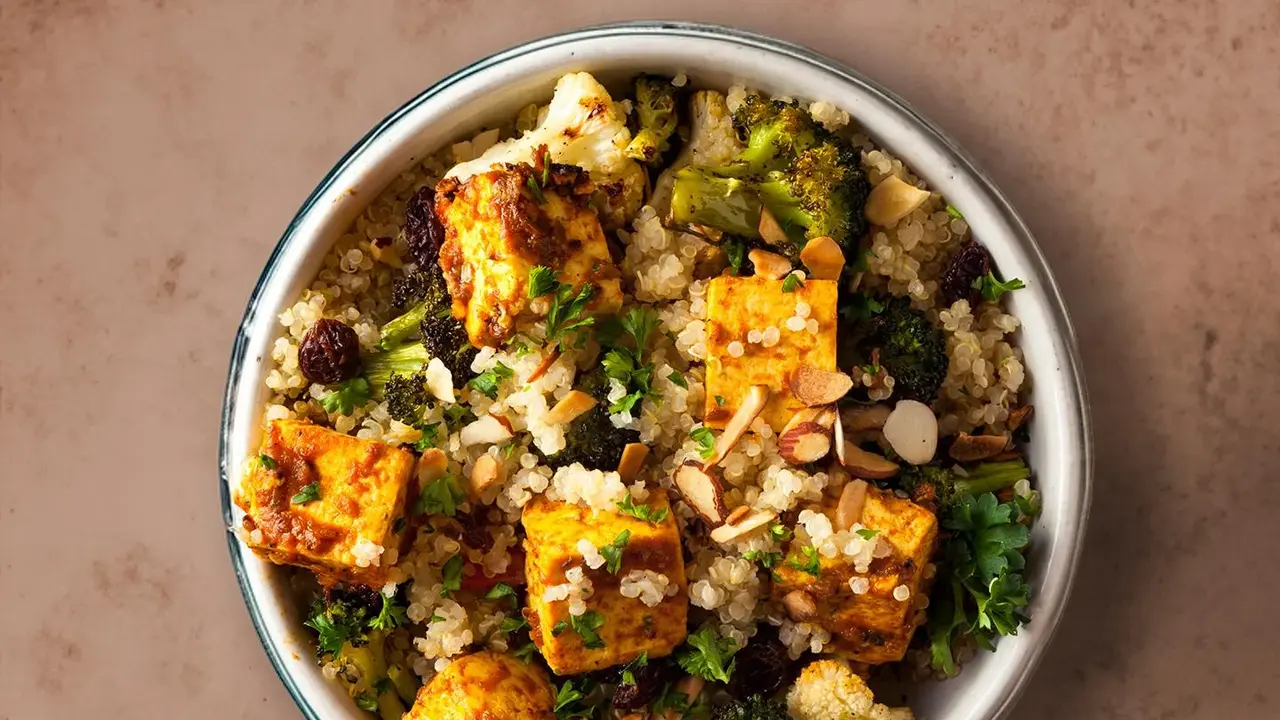
Tofu, made from pressed soybean curds, is hardly new, but its role in the Indian kitchen is evolving. Once seen primarily as a niche health food, it is now stepping into the mainstream as a direct substitute for paneer. Its neutral flavour and ability
to absorb spices make it a perfect canvas for Indian cooking. Home cooks and chefs are using firm tofu in everything from spicy scrambles (bhurji) to rich, creamy curries and tandoori-style tikka. With a protein content of around 8-10 grams per 100g, it offers a lighter, dairy-free alternative to paneer without sacrificing texture. This versatility is making it a go-to for those looking to add variety to their everyday meals.
The Fermented Powerhouse: Tempeh
Originally from Indonesia, tempeh is making significant inroads in India. It’s made from fermented soybeans formed into a firm, dense cake. The fermentation process makes it easier to digest than other soy products and gives it a distinct nutty, earthy flavour. With an impressive 20 grams of protein per 100g, it’s a nutritional heavyweight. Food entrepreneurs and chefs are adapting tempeh for the Indian palate, using it in everything from curries and stir-fries to kebabs. Its firm texture holds up well to cooking, making it an excellent meat substitute. Companies are now setting up local production units in India, making this once-exotic ingredient more accessible than ever.
The Meaty Fruit: Jackfruit
Known as 'kathal' in many parts of India, unripe jackfruit has been used in sabzis and pickles for generations. What’s new is its global rebranding as a 'pulled meat' substitute, a trend that is now circling back to urban India. When cooked, its fibrous texture mimics that of shredded meat, making it incredibly popular in dishes like biryanis, tacos, and burgers. While not as high in protein as legumes or soy, providing about 1.7 grams per 100g, its unique texture and ability to soak up flavour make it a favourite for creating hearty, plant-based centrepieces. It’s a testament to how a traditional ingredient can find new life in the modern kitchen.
The Humble Overachiever: Edamame
Edamame, or young soybeans, have long been a staple in East Asian cuisine and are now gaining serious traction in India as a high-protein snack and ingredient. Typically steamed and lightly salted, these green gems pack around 11 grams of complete protein per 100g, meaning they contain all nine essential amino acids. They are increasingly available frozen in supermarkets, making them a convenient addition to salads, stir-fries, and pulaos. Indian preparations are getting creative, tossing boiled edamame with chaat masala, lime, and chilli powder for a zesty, nutritious snack that far outshines typical fried options.
The Wheat-Based Wonder: Seitan
Pronounced 'say-tan', this protein source is made from gluten, the main protein in wheat. When cooked, seitan has a remarkably chewy and dense texture that closely resembles meat, earning it the nickname 'wheat meat'. It is one of the richest plant-based protein sources, offering about 25 grams per 100g. While it should be avoided by those with gluten sensitivities, it's a versatile ingredient for everyone else. In India, it is being used to create robust dishes like seitan tikka masala and tandoori-style preparations, offering a satisfying bite that can convert even staunch meat-eaters.