




The Allure of the Universal Curry
There’s a powerful commercial logic to simplifying food. When a regional dish travels from a small town in Bengal or a village in Kerala to a food court in a major metropolis or a supermarket shelf overseas, it undergoes a transformation. The goal is scalability
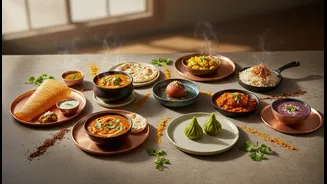
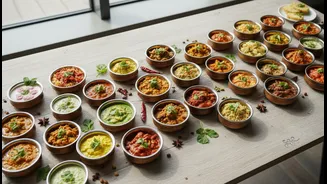
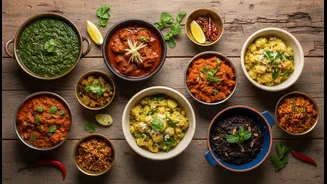
and predictability. Restaurants and food brands need to deliver a consistent product that appeals to the broadest possible palate. This often leads to the rise of the 'universal curry'—a smoothed-out, often sweeter, less complex version of what was once a highly specific dish. Sharp, pungent, bitter, or uniquely sour notes are rounded off. From airport menus to chain restaurants, Indian cuisine, particularly vegetarian fare, can collapse into a repetitive, paneer-heavy sameness. This process, while commercially successful, begins to erase the very identity of the food.
What Gets Lost in Translation
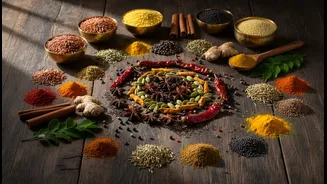
When we smooth away the 'lumps,' we lose more than just challenging flavours. We lose the story. A dish's specific combination of spices, its unique souring agent—be it tamarind, kokum, or pickled bamboo shoots—and its reliance on local, seasonal vegetables are all chapters in that story. These ingredients and techniques are a direct reflection of a region's climate, agriculture, and history. For example, a traditional lamb curry from Tamil Nadu might use a paste of roasted coconut and indigenous spices, a technique perfected to preserve meat and enhance flavour. When this is replaced with a generic gravy base, the dish is severed from its roots. The loss of agricultural biodiversity, where a wide variety of local greens and grains are replaced by monoculture crops, further accelerates this decline, making it harder to find the authentic ingredients that define these recipes.
Food as a Living Storybook
Every recipe that has been passed down through generations is a living archive. The techniques—like sun-drying, fermenting, or pickling—are not just cooking methods; they are chronicles of a time before refrigeration, reflecting a community's ingenuity and deep knowledge of their environment. A meal in many Indian households was historically adjusted to seasons, festivals, and harvests. This connection between food and life is where its true meaning resides. Altering these dishes too much is seen by many as a threat to personal and cultural identity, erasing the memories and sense of home tied up in them. The 'diversity' in food isn't just about variety on a plate; it's about the representation of different experiences, traditions, and histories.
The Champions of Culinary Diversity
Fortunately, a quiet revolution is underway. A growing number of chefs, food writers, and home cooks are consciously working to preserve and celebrate India's immense culinary diversity. Chefs like Vikas Khanna and Ritu Dalmia are at the forefront, researching and reviving forgotten recipes and championing regional ingredients on a global stage. They travel to remote areas, documenting oral histories and cooking methods to create a living map of India's edible heritage. This movement isn't just happening in high-end restaurants. Social media has empowered home chefs and food bloggers to give hyperlocal cuisines a spotlight, celebrating everything from Nagaland's fermented bamboo shoot curries to Odisha's Chhena Poda. They remind us that the keepers of these heirloom recipes are often elders and community leaders, whose knowledge is invaluable.