




A Shift Towards Personal Sanctuaries
In recent years, Indian consumers have moved decisively away from cookie-cutter interiors. There's a growing desire for homes that tell a story and reflect individual personality rather than just showcasing expensive labels. This shift is driven by exposure
to global design trends through social media and a rising aspiration for more than just functional living spaces. Homeowners are increasingly looking for 'premiumisation' and 'personalisation', where a piece of furniture carries value because of its craftsmanship and uniqueness, not just its price tag. This has created a fertile ground for decor that feels lived-in, distinctive, and thoughtfully curated.
The Sustainable Appeal of 'Old is Gold'
Parallel to the quest for personality is a rising tide of environmental consciousness. Sustainability is no longer a niche concept but a significant factor in purchasing decisions for many Indian buyers. This is where restored furniture finds its perfect synergy. By giving a new lease of life to old, discarded, or antique pieces, the practice directly addresses the need to reduce waste and minimise our carbon footprint. Choosing restored items, often made from high-quality old-growth wood like teak, is an inherently eco-friendly act that prevents deforestation and reduces landfill waste. It aligns perfectly with a conscious lifestyle that values durability and mindful consumption over fast-changing trends.
The Art and Soul of Restoration
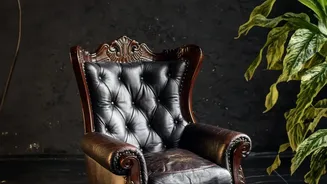
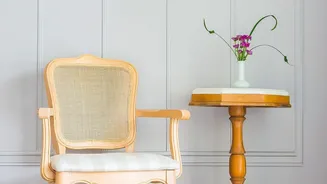
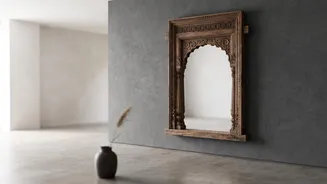
What exactly is restored furniture? It’s far more than a simple coat of paint. It involves sourcing unique pieces—from antique markets like Amar Colony in Delhi, from old family homes, or even from forgotten warehouses—and painstakingly bringing them back to glory. Artisans skilled in traditional techniques like bone inlay, wood carving, or caning repair, reupholster, and refinish these items. This process not only revives the physical object but also preserves the craft traditions of regions like Rajasthan and Nagaland. Each restored piece carries a history, a patina of time that cannot be replicated by new factory-made items, turning it from a mere object into a conversation starter.
Champions of the Conscious Home
A growing number of Indian brands and designers are pioneering this movement. Companies like Scrapshala and UpCycle Furnishing are transforming waste materials into beautiful home decor. Others, such as Nolwa Studio, are reviving heritage crafts like Bidri metal-inlay for contemporary furniture. These brands are proving that sustainable and restored items can be incredibly stylish and modern. They work with local artisan communities, ensuring that this trend also supports sustainable livelihoods and keeps invaluable craft skills alive for the next generation. From major players like IKEA launching collaborations with Indian social enterprises to smaller studios reimagining traditional forms, the ecosystem is buzzing with innovation.
More Than Furniture, It's a Statement
Ultimately, choosing a restored piece of furniture is a statement of values. It's a rejection of the disposable culture and an embrace of things that are built to last. For the modern Indian homeowner, it offers a way to create a space that is not only aesthetically pleasing but also deeply meaningful. An old cabinet that once belonged to a different family or a chair revived with new upholstery brings a unique soulfulness into a room. This approach allows for a richer, more layered interior that feels collected over time rather than bought in a single shopping trip. It is a harmonious blend of nostalgia, individuality, and a forward-thinking commitment to the environment.