




The Northern Classic: Chawal Ki Kheer
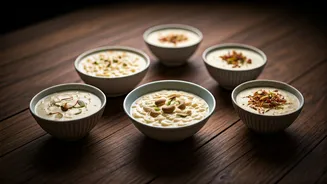
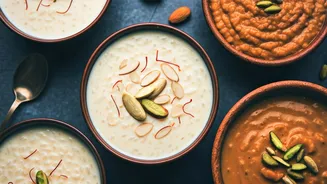
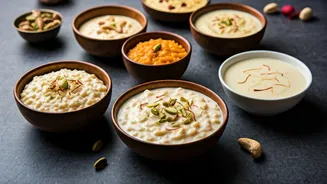
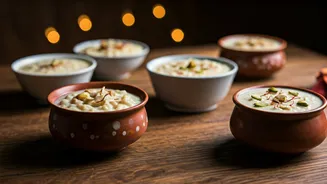
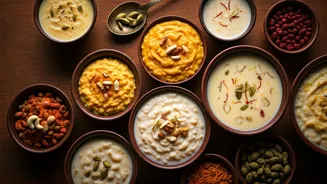
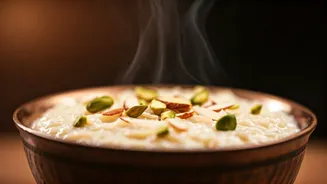
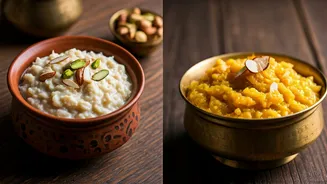
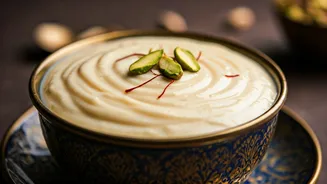
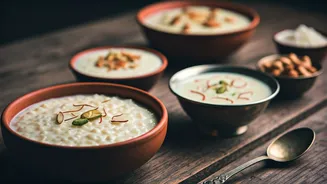
This is the version that often comes to mind when one thinks of kheer. Made by simmering rice (often fragrant basmati) in full-fat milk until it thickens into a creamy consistency, it's a staple at festivals and celebrations across North India. [5, 6]
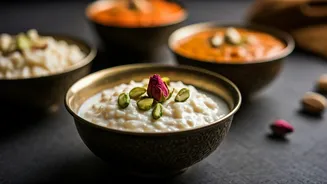
The pudding is typically sweetened with sugar and delicately flavoured with green cardamom powder, saffron strands, and a generous garnish of nuts like almonds and pistachios. [14] It’s the quintessential comfort dessert, a timeless classic that embodies warmth and tradition in every spoonful. [5]
The Southern Star: Payasam
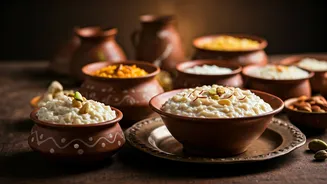
Head south, and kheer transforms into 'payasam'. The term itself is derived from a Sanskrit word for milk. [16] While there are countless varieties, two prominent types from Kerala highlight the region's culinary creativity. Ada Pradhaman is a rich dessert made with flakes of rice pasta ('ada'), jaggery, and luscious coconut milk, often studded with cashews and raisins fried in ghee. [20, 23] In contrast, Palada Payasam uses the same rice 'ada' but is prepared with cow's milk and sugar, simmered for hours until it achieves a signature pale pink hue and creamy texture. [9, 26] Both are integral to the grand Onam Sadhya feast. [20]
Bengal’s Winter Gem: Nolen Gurer Payesh
In West Bengal, the winter season brings a special treat: Nolen Gur, or fresh date palm jaggery. This seasonal jaggery, with its unique smoky and caramel-like flavour, is the star of Nolen Gurer Payesh. [12, 21, 24] This Bengali version of kheer is typically made with Gobindobhog rice, a short-grained, aromatic variety that lends a distinct fragrance and texture. [21] The jaggery is added carefully towards the end of the cooking process to prevent the milk from curdling, resulting in a rich, brownish pudding that is the very essence of a Bengali winter. [22]
The Fasting Favourite: Sabudana Kheer
Across many parts of India, especially in the west, Sabudana Kheer is a popular choice during fasting periods like Navratri. [15] Made from tapioca pearls (sago), this kheer has a unique, delightful texture. The small, pearly balls turn translucent and soft as they cook in sweetened milk, creating a pudding that is both light and satisfying. [5] Flavoured with cardamom and saffron, it's a creamy dessert that provides energy and comfort during a fast. [30]
Bihar's Nutty Delight: Makhane Ki Kheer
Hailing from the Mithila region of Bihar, Makhane Ki Kheer utilises phool makhana, or puffed lotus seeds. [13, 30] The makhana are lightly roasted in ghee until they become crisp, then simmered in milk. [27] Some recipes use whole makhana, which soften into pillowy bites, while others involve crushing them to create a thicker, more homogenous pudding. [29] This kheer is not only delicious, with a subtle, nutty flavour, but also nutritious, making it a popular dish during religious fasts. [30]
The Unexpected Twist: Lauki Ki Kheer
Using a vegetable in a dessert might sound unusual, but Lauki Ki Kheer is a testament to India's culinary ingenuity. Made from grated bottle gourd (lauki or dudhi), this kheer is surprisingly delicious. [3, 4] The lauki is first sautéed in ghee to remove its raw flavour before being slow-cooked in milk until tender. [10] The vegetable imparts a subtle sweetness and a soft texture to the pudding, which is then flavoured with cardamom and nuts. [6, 7] It's a lighter, refreshing take on the classic dessert. [6]