






Embrace the Micro-Workout
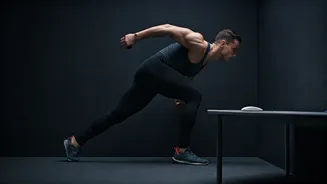
The idea that a workout only 'counts' if it's an hour long at the gym is outdated. Research shows that short, intense bursts of exercise, often called 'exercise snacks' or micro-workouts, can be just as effective for improving cardiovascular health and
strength. [7, 8, 9] These are brief sessions, typically 5-15 minutes, that you can sprinkle throughout your day. [4, 7] A study even found that three 10-minute walks during the day could lower blood pressure more effectively than one 30-minute walk. [9] The key is consistency and intensity over duration. [7] Think a quick set of high-intensity interval training (HIIT) or a brisk stair climb between meetings. [8, 7]
Turn Your Desk into a Mini-Gym
Your workstation can be a powerful fitness tool. Without disturbing colleagues, you can perform a variety of 'deskercises'. [2] Try desk push-ups by placing your hands on the edge of your desk, or chair dips for your triceps. [5] Bodyweight exercises like squats, lunges, and calf raises require no equipment and can be done in a small space. [5] To combat the stiffness from prolonged sitting, incorporate regular stretches. Simple neck rolls, shoulder shrugs, and seated spinal twists can relieve tension and improve posture. [13, 15] Even attaching a resistance band to your chair can add a new dimension to your at-work fitness. [2]
Reclaim Your Lunch Break
Instead of eating at your desk, use your lunch break as a prime opportunity for movement. A brisk 45-minute walk can burn a few hundred calories and has been shown to increase enthusiasm and reduce nervousness upon returning to work. [2] If there’s a gym near your workplace, a midday session can be a fantastic mental break that boosts afternoon productivity. [3] Even if you only have a short break, stepping outside for a 10-minute walk provides fresh air, a change of scenery, and a mental reset that can help you manage stress. [6]
Make Movement Incidental
Integrate physical activity into the things you already do. This is known as 'incidental activity'. [2] Instead of sending an email to a colleague on the same floor, walk over for a face-to-face conversation. [3] Always opt for the stairs instead of the elevator; it's a simple but effective way to get your heart rate up. [17] If you commute by car or bus, try parking farther away from the entrance or getting off one stop earlier to increase your daily step count. [3] If you take calls on a headset, use the opportunity to pace around your office or home. [6] These small activities accumulate and can make a significant difference over time.
Activate Your Commute
Your journey to and from work is another untapped fitness opportunity. If feasible, walking or cycling to work provides a fantastic cardio workout and has been linked to a significantly lower risk of developing cancer and cardiovascular disease. [2, 3] Even a short ride of a few kilometres each way can make a substantial impact on your health. [2] It not only helps you avoid traffic but also ensures you start and end your day feeling energised and accomplished, setting a positive tone before you even log on.
Schedule and Socialise
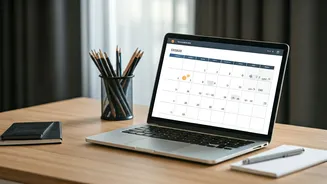
Treat your fitness breaks like any other important meeting by blocking out time in your calendar. [4] This makes them non-negotiable. You can also find a 'workout buddy' at the office or start a friendly fitness challenge to keep each other motivated. [3] Having a support network makes it easier to stick to a routine. [3] Some companies even have formal wellness programs or host activities like yoga or meditation sessions, which can be a great way to de-stress and connect with colleagues. [20, 14]