


What is Friselle Bread?
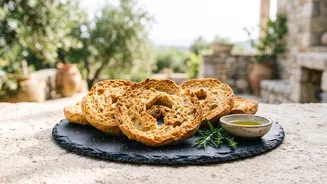
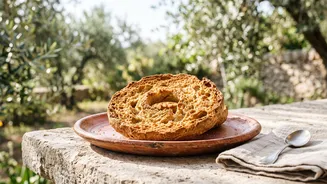
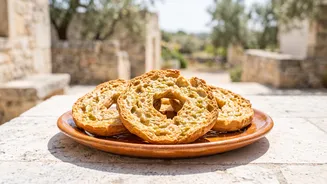
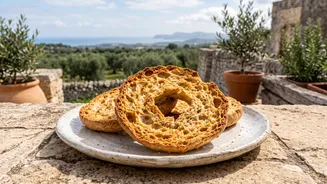
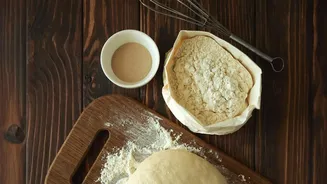
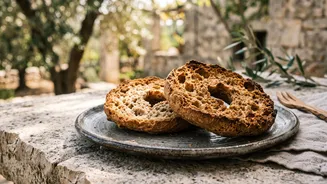
At first glance, a frisella might look like a rustic, oversized, and impossibly hard bagel. These ring-shaped breads, most famously from the Puglia region, are made from simple ingredients like durum wheat or barley flour, water, yeast, and salt. What
sets them apart is their unique preparation: they are twice-baked. This process, known as 'bis-cotto' (literally 'cooked twice'), removes almost all moisture, resulting in a bone-dry, durable bread with a rough, porous surface on one side and a smoother one on the other. This isn't a mistake or a stale loaf; it’s the secret to its incredible longevity and distinct culinary purpose.
A History Baked by Necessity
The story of friselle is a story of survival. Their origins trace back centuries, serving as the perfect food for fishermen and merchants on long sea voyages across the Mediterranean. Before refrigeration, a food that wouldn't spoil was invaluable. The hole in the middle of the frisella even had a practical purpose, allowing sailors to string them on a rope for easy transport and storage. On land, they became a cornerstone of 'cucina povera', or peasant cooking. Families could bake large batches that would last for months, providing a reliable source of sustenance. They were so essential for long journeys that they were even nicknamed 'the bread of the Crusaders'.
From Rock-Hard to Ready to Eat
The key to enjoying friselle is a ritual known as 'sponzatura', which means wetting or soaking. You cannot—and should not—try to bite into a dry frisella. The traditional method involves a quick dip in water (lore says sailors used seawater) just long enough to soften the bread without it becoming mushy. The goal is a delightful contrast: a tender, yielding top perfect for soaking up flavours, and a firm, slightly crunchy base. A quick pass under a running tap for a few seconds is often all it takes to bring the bread back to life.
The Classic Puglian Topping
While versatile, the most iconic way to serve friselle is in the classic Puglian style, a dish that embodies the fresh, simple flavours of the region. After being softened with water, the frisella is rubbed with a clove of garlic (optional) and drizzled generously with high-quality extra virgin olive oil. The rough surface is the perfect canvas for a mound of freshly chopped, ripe tomatoes. A sprinkle of salt and a dusting of dried oregano complete this simple masterpiece. It’s like a more rustic, substantial cousin to bruschetta, where the bread itself plays a more active role in absorbing the delicious juices.
Beyond the Basics
The beauty of friselle lies in its versatility. While the tomato and olive oil combination is classic, it's just the beginning. In Campania, they might be topped with a local caponata of anchovies and olives. Modern interpretations are endless, treating the frisella like an Italian avocado toast with mashed avocado and ricotta, or a Nordic-inspired snack with cream cheese and smoked salmon. Other popular toppings include tuna, beans, roasted vegetables, and various cheeses. Some even enjoy them for breakfast, softened in milk or coffee. The sturdy bread provides a perfect base for almost any combination you can dream up.