

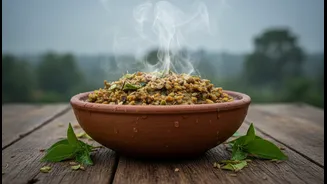


Understanding Karkidakam: A Month for Renewal
Karkidakam, the final month in the Malayalam calendar, begins on July 17, 2026, and is a period of intense monsoon rains. Traditionally, this was known as the 'Panja Masam' or month of scarcity, with heavy rains limiting work and food availability. However,
from an Ayurvedic perspective, this season is ideal for detoxification and rejuvenation. The high humidity softens the skin and opens up the body's pores, making it more receptive to therapies. During this time, the body's digestive fire, or 'Agni', is considered weak, and immunity is low, making it susceptible to illness. The practices followed during Karkidakam, including a specific diet and treatments, are designed to pacify the aggravated 'Vata dosha' (one of the three primary energies in Ayurveda) and boost overall health for the year ahead.
Why This Kanji is More Than Just Porridge
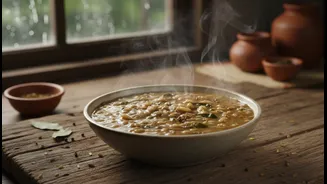
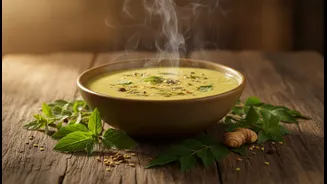
Karkidaka Kanji, also called Oushadha Kanji (medicinal porridge), is not an everyday meal but a therapeutic preparation designed to support the body during the demanding monsoon season. Its primary purpose is to rekindle the weak digestive fire, improve immunity, and help flush out toxins that accumulate in the body. Unlike a simple rice gruel, this kanji is a complex blend of special rice, medicinal herbs, and warming spices. Each ingredient is chosen for its specific properties that counteract the dampness and cold of the season, helping to prevent common monsoon ailments like fevers, joint pain, and digestive issues. Consuming it is a cornerstone of 'Karkidaka Chikitsa', the holistic Ayurvedic regimen for the month.
Getting the Core Ingredients Right
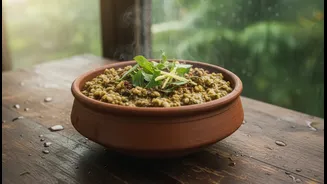
The authenticity of Karkidaka Kanji hinges on its specific ingredients. The most crucial component is Njavara rice, a medicinal variety from Kerala known for being light on the digestive system and balancing all three doshas. Another key element is the 'Dasapushpam', a group of ten sacred and medicinal flowers and herbs that grow wild during the monsoon. These include herbs like Mukkutti, Kayyoni, and Cheroola, each with properties like being anti-inflammatory or boosting immunity. The spice blend is equally important, featuring digestive aids like dry ginger (Chukku), cumin (Jeeraka), and fenugreek (Uluva). These ingredients work together to create a balanced, nourishing, and easily digestible meal.
Common Mistakes and Commercial Shortcuts
In the rush to embrace this tradition, many home cooks and commercial brands miss the point. A common mistake is using regular rice instead of the medicinally potent Njavara rice. Another pitfall lies in the herbs. Many pre-packaged 'kanji kits' available in stores use dried herbs, but practitioners note that the Dasapushpam herbs are most effective when used fresh, as they sprout during the rains. Simply buying a generic powder mix may not provide the intended benefits. Furthermore, Karkidaka Kanji is not meant to be a heavily seasoned or overly sweet dish; its purpose is medicinal, not just culinary. It should be consumed warm and fresh, without being paired with heavy, oily, or non-vegetarian foods that would further burden the digestive system.
Preparing an Authentic Kanji: The Principles
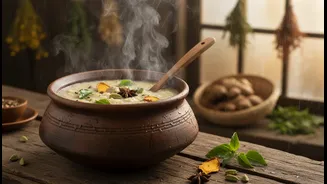
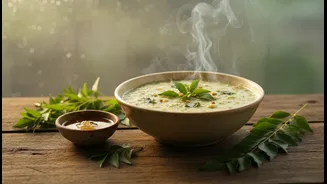
While precise recipes vary, the principles remain constant. Start by slow-cooking Njavara rice until it's very soft. Separately, a decoction of the key herbs and spices is often made and added to the cooking rice. The spices—like dry ginger, pepper, and cumin—should be lightly crushed to release their properties. Towards the end of the cooking process, fresh coconut milk is stirred in for nourishment and to balance the heat of the spices. A small amount of jaggery can be added for taste, but the flavour should remain balanced. The porridge is typically finished with a tempering of shallots fried in ghee. For the best results, Ayurveda recommends consuming a bowl of this kanji daily, preferably as an evening meal, for a period of at least seven consecutive days.