
Tofu: The Versatile Paneer Alternative
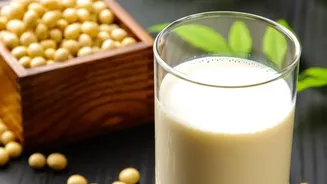
Tofu, made from soybeans, is a fantastic source of plant-based protein. Often seen as a staple in East Asian cuisine, it fits seamlessly into Indian cooking due to its neutral flavour and ability to absorb spices. Its texture makes it an excellent substitute
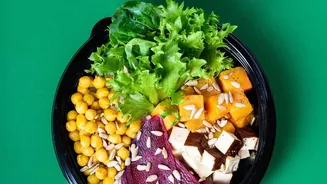
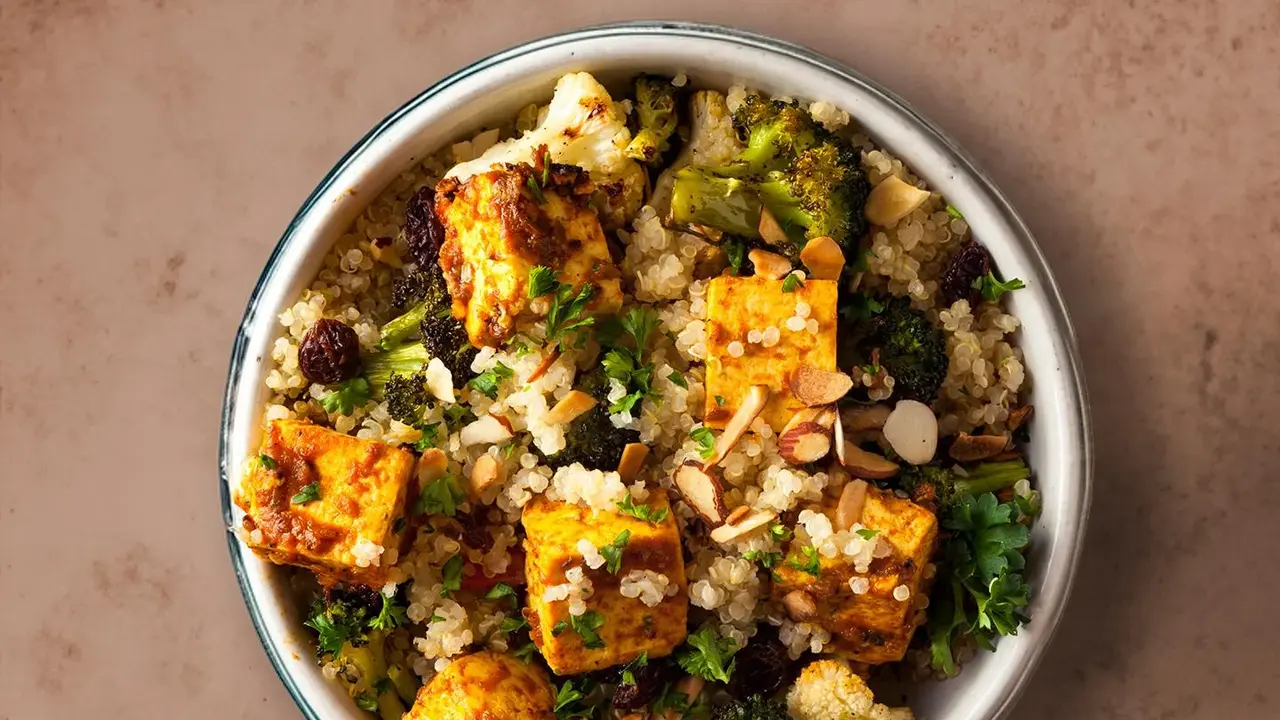
for paneer. You can press a block of firm or extra-firm tofu to remove excess water, cube it, and use it in exactly the same way you would use paneer. Try making a tofu bhurji by crumbling it and scrambling it with onions, tomatoes, and spices for a quick, protein-rich breakfast. For dinner, a tofu masala curry, where the cubes are pan-fried before being added to a rich, spiced gravy, can be a revelation. It’s not only about mimicking paneer; tofu offers a lower-calorie, lower-fat alternative that broadens your culinary horizons.
Beans and Legumes: A Nutritional Powerhouse
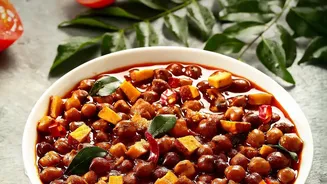
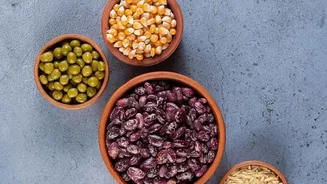
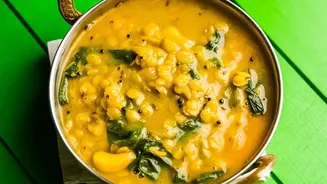
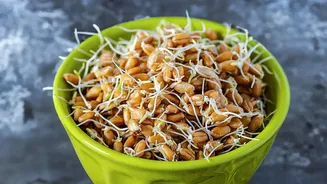
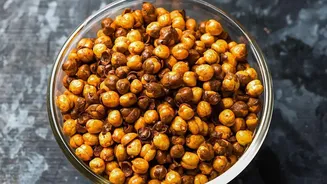
Indian cuisine already celebrates beans and legumes, with classics like rajma and chole being national favourites. But the family is vast and offers immense nutritional benefits. Beans are packed with protein, fibre, B-vitamins, and essential minerals like iron, potassium, and magnesium. They are low in fat and help you feel full for longer, making them excellent for weight management. Beyond the usual suspects, consider using other varieties. Black beans can be used to make hearty kebabs or added to salads. Sprouted moth beans (matki) make for a crunchy, high-protein salad. Even different types of lentils, like masoor dal, are protein giants, offering around 24-25 grams of protein per 100g when dry. Incorporating a wider variety of these pulses can help improve gut health and lower the risk of several chronic diseases.
Nuts: For Creaminess, Crunch, and Protein
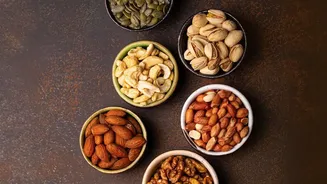
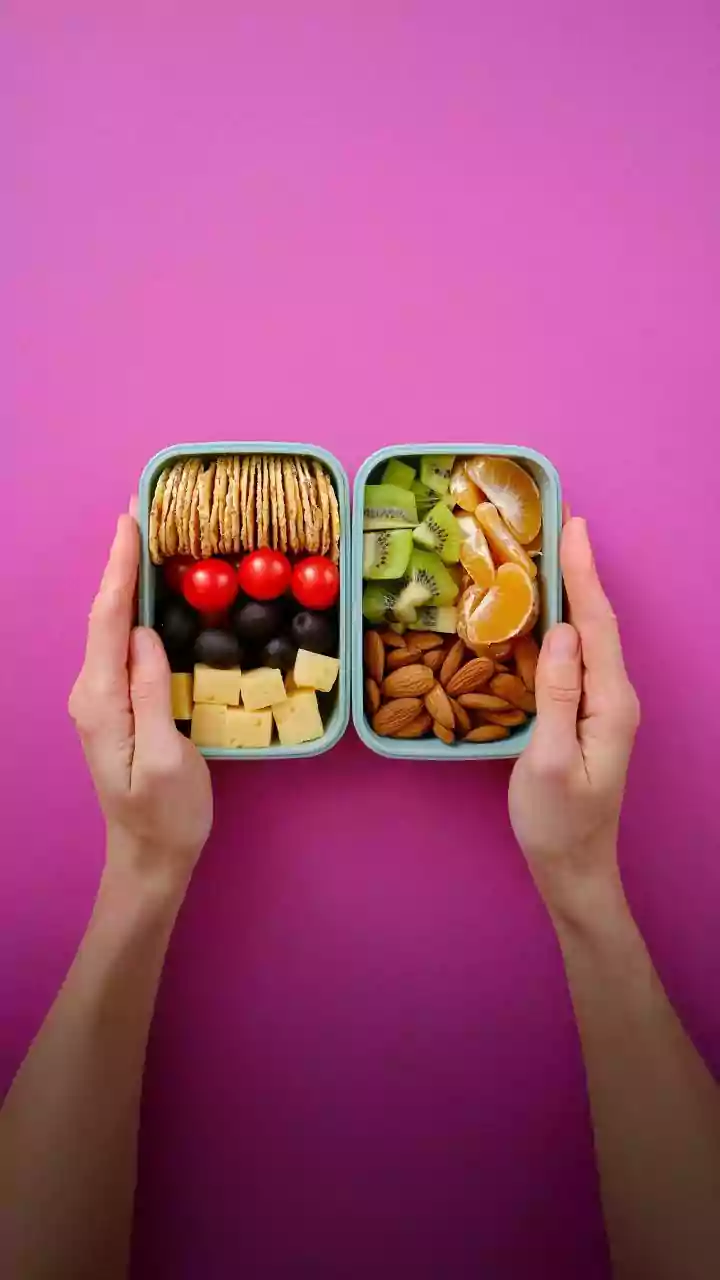
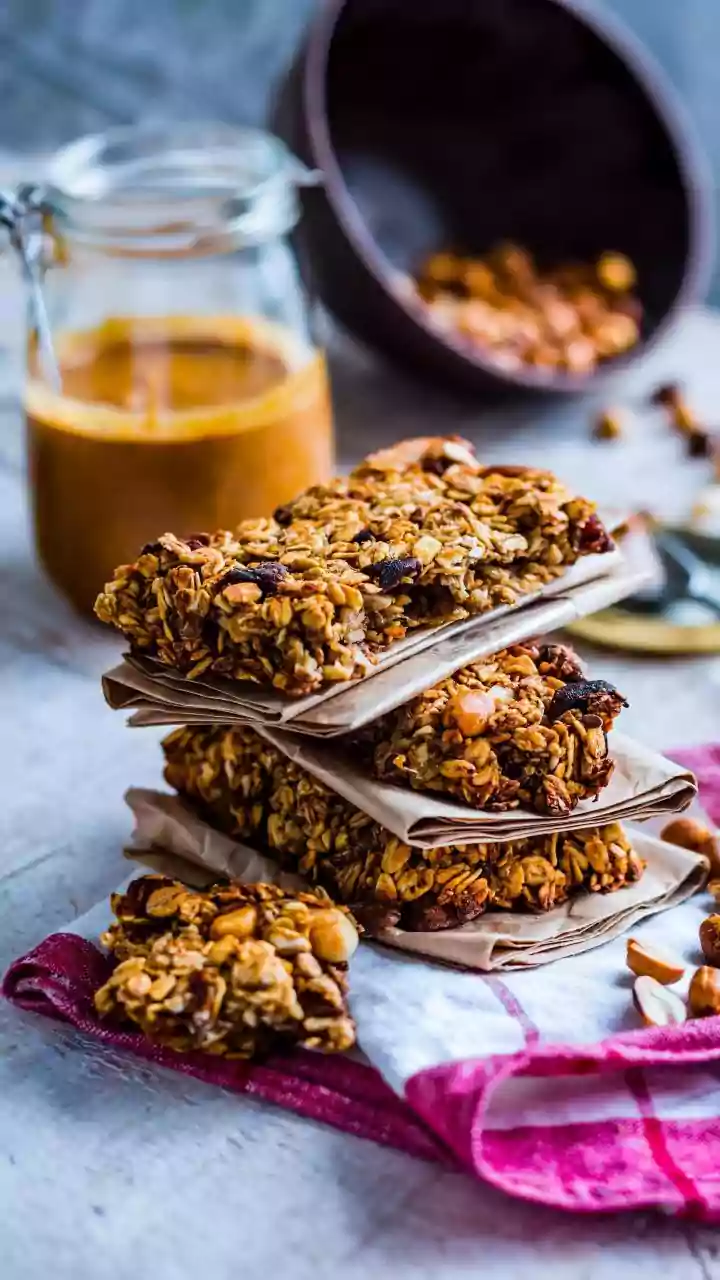
Nuts are much more than a simple garnish for kheer. They are a cornerstone of rich Indian cooking and a fantastic source of protein, healthy fats, and vitamin E. Peanuts, for instance, are one of the most affordable protein sources, providing about 26 grams of protein per 100 grams. They add a wonderful crunch to poha and sabudana khichdi. Almonds, with around 21 grams of protein per 100 grams, can be soaked and ground into a paste to create a nutritious 'badam' milk or to thicken gravies. The creamy, luxurious texture of many Mughlai kormas comes not from cream but from a paste of cashews or almonds. Roasting a mix of nuts like almonds, cashews, and walnuts with some light masalas creates a perfect evening snack that is both satisfying and protein-rich.
Seeds: The Unsung Nutritional Heroes
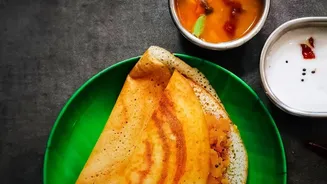
Often overlooked, seeds are tiny nutritional powerhouses. Sesame seeds (til), for example, are a great source of protein, calcium, and iron. They are essential in making til ladoos and add a nutty flavour to chutneys and tadkas. Pumpkin and sunflower seeds are also packed with protein and can be easily incorporated into your diet. Roast them for a simple snack, or use them to make a crunchy chivda or chikki. You can also grind them into a powder or 'podi' to sprinkle over salads, yogurt, or even mix into dosa batter. These seeds not only add texture and flavour but also provide valuable minerals and healthy fats, making them an easy and effective way to boost the nutritional value of any meal.