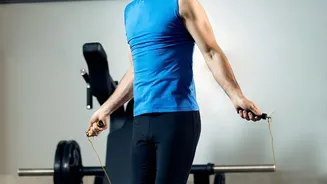




The Rise of 'Exercise Snacks'
The idea that you need long, continuous sessions at the gym to see results is being challenged by a growing body of science. Researchers are now looking at the power of 'exercise snacks'—intentional, short bouts of activity lasting five minutes or less,
performed multiple times throughout the day. A recent analysis of multiple studies found that these brief workouts can significantly improve cardiorespiratory fitness, which is a key measure of heart and lung health. The concept is simple: instead of one large 'meal' of exercise, you have several small 'snacks'. This approach helps break up long periods of sitting, which is known to have negative health consequences.
What Are the Heart Benefits?
The primary gain identified in recent studies is a significant improvement in cardiorespiratory fitness (CRF). A higher CRF means your heart and lungs are more efficient at delivering oxygen to your muscles, which is linked to a lower risk of chronic conditions like heart disease. Some studies have shown that even a few minutes of vigorous activity spread throughout the day can lower the risk of cardiovascular-related death. While the evidence is still developing, other research has pointed to potential improvements in cholesterol levels and blood pressure from these brief exercise sessions. The key seems to be consistency; spreading activity across the week may help improve blood pressure and blood sugar control for days after a workout.
Why Intensity Trumps Duration
For these short sessions to be effective, intensity is crucial. Many studies emphasize moderate-to-vigorous activity, which means you should be breathing hard enough that it's difficult to speak in full sentences. This intensity is what triggers powerful physiological responses. It challenges your heart to pump harder and your body to adapt, leading to stronger, more efficient cardiovascular function. Research has shown that just a few minutes of intense activity per day can provide meaningful health benefits if the effort is high enough. Think of it as quality over quantity. A very short, sharp burst of effort can prompt more significant adaptations than a longer, more leisurely period of movement.
How to Fit 'Snacks' Into Your Day
The beauty of this approach is its flexibility. You don't need a gym membership or special equipment. The goal is to find small windows of time to get your heart rate up. For many people, stair climbing is a perfect example. Instead of the lift, take the stairs, perhaps even doing an extra flight or two. Other simple ideas include doing a minute of jumping jacks, burpees, or high knees during a break from work. You could turn a walk to the bus stop into a brisk power walk or even add short sprints. Even vigorous play with children or pets can count. The key is to be intentional and push yourself for that brief period.
Making It a Sustainable Habit
One of the most promising findings from the research is that people tend to stick with exercise snacking. Studies show high rates of adherence, likely because the time commitment is so small. This approach helps overcome the two biggest barriers to exercise: lack of time and low motivation. By proving to yourself that you can fit in a few minutes of activity, you can build confidence and establish a consistent routine. It reframes the all-or-nothing mindset that often derails fitness goals. Instead of feeling guilty about missing a one-hour workout, you can feel successful for having completed three, five-minute sessions throughout your day.