






A Tale of One Family
It might surprise many to learn that the fiery green chilli and the sweet, crunchy capsicum (also known as Shimla mirch or bell pepper) are close relatives. Both belong to the plant genus Capsicum, part of the nightshade family, which also includes tomatoes
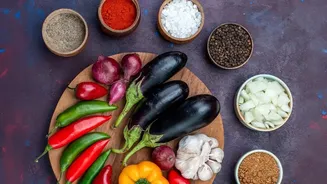
and eggplants. Originally from the Americas, they were introduced to India centuries ago and have since become inseparable from our cuisine. Despite their shared ancestry, selective breeding over thousands of years has pushed them down two very different culinary paths. One was cultivated for its pungent, spicy quality, while the other was developed for its size, mild flavour, and satisfyingly thick flesh.
The Science of Fiery Heat
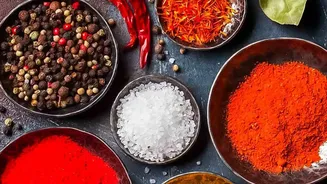
The defining characteristic of a chilli is its heat, a sensation delivered by a chemical compound called capsaicin. This compound is concentrated primarily in the white pithy membrane inside the chilli, where the seeds are attached. When we eat a chilli, capsaicin binds to pain receptors in our mouth, tricking our brain into sensing intense heat. The intensity of this heat is measured on the Scoville Heat Units (SHU) scale. In Indian cooking, chillies are indispensable. They form the base of countless masalas, are dropped whole into hot oil for 'tadka' (tempering) to infuse a dish with flavour, and are pickled or ground into vibrant chutneys. From the everyday 'hari mirch' to the intensely aromatic Bhut Jolokia of the Northeast, chillies provide a spectrum of flavour that goes far beyond simple spice.
The Champion of Cool Crunch
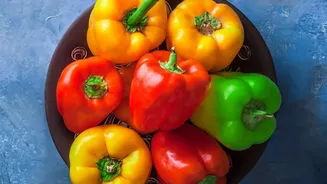
Capsicums, or bell peppers, are the gentle giants of the pepper family. They contain a recessive gene that prevents them from producing any capsaicin, which is why they have a Scoville rating of zero and taste sweet rather than spicy. Their appeal lies in their texture and flavour. Crisp, juicy, and hydrating, they add a wonderful crunch to salads, stir-fries, and noodles. In Indian cuisine, capsicums are incredibly versatile. They are famously stuffed with spiced potatoes to make 'Bharwa Shimla Mirch', diced into paneer jalfrezi, and blended into colourful gravies. Their subtle sweetness balances spicier ingredients, and their sturdy structure holds up well to cooking, whether stir-fried, roasted, or simmered in a curry.
A Nutritional Snapshot
Beyond their taste and texture, these two peppers also offer different nutritional benefits. Capsicums are nutritional powerhouses, particularly rich in Vitamin C; a red capsicum contains significantly more of this immune-boosting vitamin than an orange. The different colours indicate varying levels of antioxidants and vitamins; red and yellow varieties tend to be richer in vitamins A and C than their green counterparts. Green chillies are also a potent source of Vitamin C and contain capsaicin, which is linked to boosting metabolism and possessing anti-inflammatory properties. So, while both are healthy additions to your diet, they contribute in slightly different ways.
Perfect Pantry Partners
Understanding the fundamental difference between chillies and capsicums unlocks a new level of control in the kitchen. They are not interchangeable. A recipe calling for the sharp, lingering heat of a green chilli cannot be satisfied by the mild sweetness of a capsicum. Conversely, adding a fiery chilli to a dish where a capsicum's crunch and volume is needed will dramatically alter the final result. Think of them as partners with distinct jobs. The chilli is the specialist, brought in to provide a specific, powerful effect: heat. The capsicum is the versatile all-rounder, contributing substance, colour, and a fresh, sweet flavour. A perfect example is a classic kadhai paneer, where capsicum provides the chunky, crunchy texture alongside onions and tomatoes, while a touch of chilli powder or fresh green chilli brings the foundational heat.