








The New Digital Mirror: How It Works
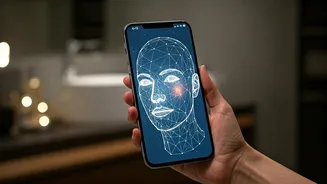
The latest wave in beauty tech involves artificial intelligence (AI) platforms that analyse your skin through your phone's camera. Brands like Cetaphil and L'Oréal, and apps such as YouCam and Skinive, ask you to take a selfie. Their AI, trained on vast
databases of images, then scans your photo to identify and measure concerns like pores, wrinkles, pigmentation, and acne. Within seconds, you receive a detailed report and, often, a recommended list of products tailored to your results. This shift represents a move away from human-led, in-store consultations toward a scalable, data-driven model that promises personalised advice anytime, anywhere.
The Allure of At-Home Analysis
The primary driver of this trend is undeniable convenience. For consumers in areas with limited access to dermatologists, these apps offer a first step in understanding their skin health. The process is quick, private, and can feel more objective than a conversation with a sales-driven beauty advisor. These tools can provide instant feedback, track your skin's progress over time, and even help triage issues that may require a professional opinion. Furthermore, some platforms now integrate teledermatology services, allowing users to connect with a certified dermatologist to review the AI's findings, blending the best of technology and human expertise.
How Accurate is Your AI Dermatologist?
Here's where the conversation gets complicated. For cosmetic concerns like wrinkles or dark spots, studies show AI can achieve a high level of agreement with dermatologists, with some vendors claiming accuracy rates of over 90%. However, accuracy can vary significantly depending on the app, the quality of the photo, and the specific condition. Board-certified dermatologists warn that these tools are not a substitute for professional medical advice, especially for serious conditions like skin cancer. A 2025 study in JAMA Dermatology noted potential harm due to a lack of regulation and inconsistent results. Moreover, a study on Indian patients found that while AI showed moderate accuracy for conditions like acne, its performance dropped significantly for darker skin tones, highlighting a clear bias in many algorithms. The consensus is that while helpful for preliminary screening, these apps can't replace the clinical judgment of a human doctor.
The Data Behind the Diagnosis
When you upload your selfie for a skin analysis, you're providing more than just a photo; you're sharing sensitive health and biometric data. This raises significant privacy questions. Regulations like GDPR in Europe require companies to get explicit consent for processing such data, but users often don't read the fine print to see how their images and skin profiles will be used, stored, or shared. Some critics argue that many free apps are simply funnels designed to sell specific products, using your data to refine their marketing. Tech companies in this space stress the importance of transparency, with some partners ensuring they don't access personally identifiable information, but the responsibility often falls on the user to understand the terms they are agreeing to.
The Future: A Hybrid Approach
Despite the limitations, dermatologists see promise in AI as an assistive tool rather than a replacement. AI can excel at tracking subtle changes over time, helping both patients and doctors monitor skin health more objectively. Stanford Medicine-led research showed that AI assistance improved diagnostic accuracy for all levels of healthcare practitioners, from students to seasoned dermatologists. The future of skin diagnostics is likely a hybrid model where AI handles initial analysis and monitoring, flagging potential issues for human experts. This allows dermatologists to work more efficiently, focusing their expertise on complex diagnoses and treatment plans, ultimately enhancing—not replacing—the quality of care.