

Periyar National Park, Kerala
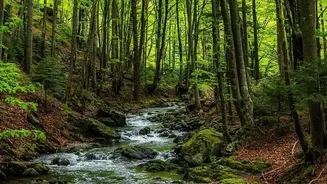
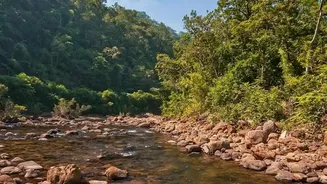
In the heart of the Western Ghats, Periyar National Park remains open and is arguably at its most magical during the monsoon. The entire landscape turns a brilliant emerald, and the air is fresh with the scent of wet earth and blooming orchids. The centerpiece
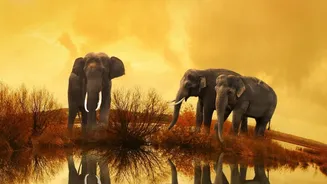
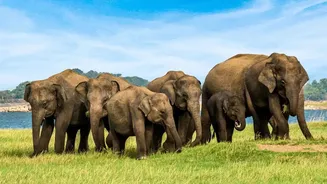
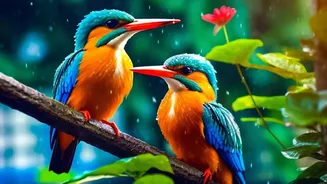
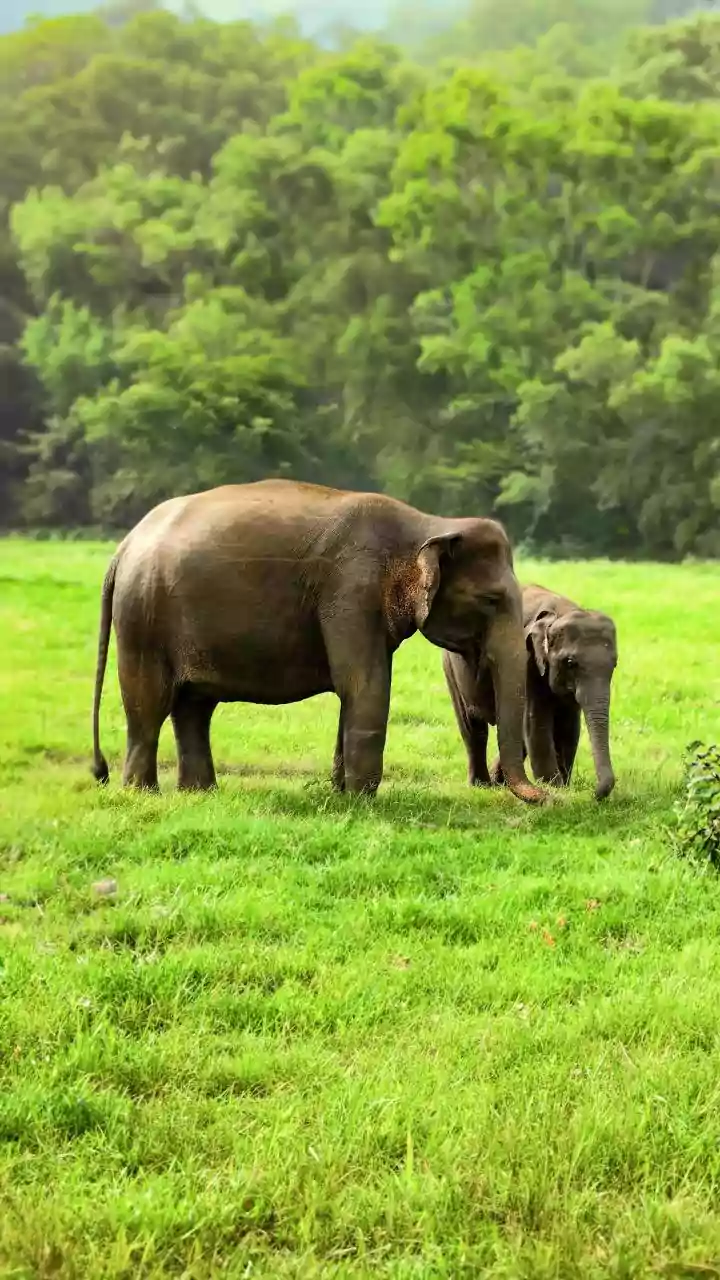
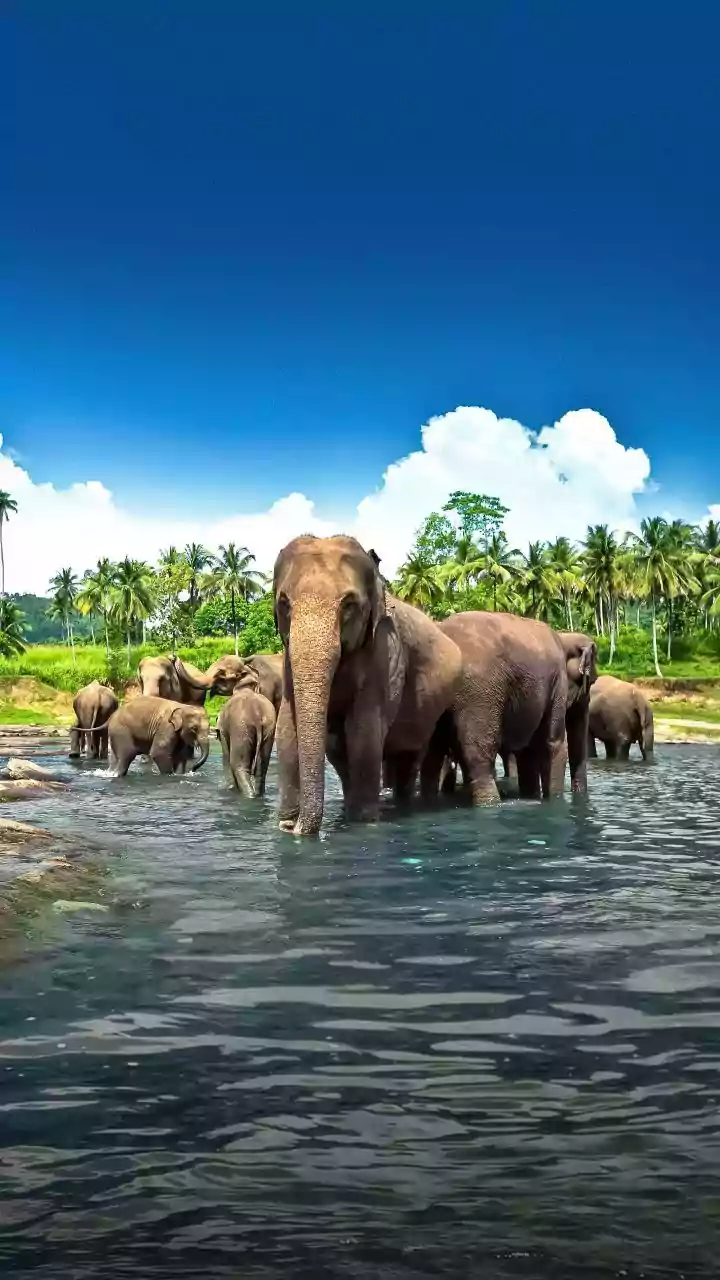
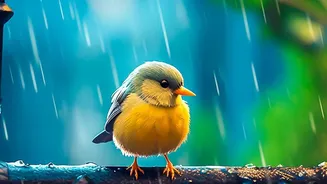
of a monsoon visit is the boat safari on the expansive Periyar Lake. As the rains fill the reservoir, herds of elephants are often seen grazing along its misty banks, their dark shapes a stunning contrast against the vibrant green hills. While tiger sightings are rare, the park's rich biodiversity, including sambar deer, Indian bison, and a spectacular variety of birds, is on full display. The experience is less about chasing big cats and more about immersing yourself in a forest that feels truly alive and rejuvenated.
Kabini, Karnataka
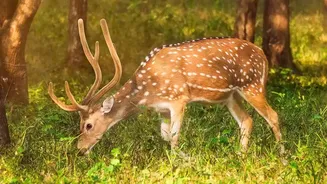
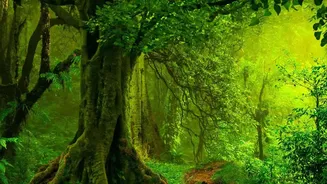
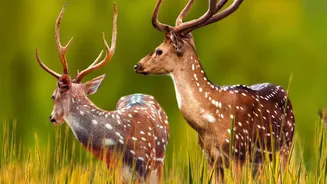
Part of the famous Nagarhole National Park, Kabini is widely considered one of South India’s premier year-round wildlife destinations, and August is no exception. The monsoon swells the backwaters of the Kabini River, creating a lush paradise that attracts an abundance of wildlife. Boat safaris here are particularly rewarding, offering views of massive elephant herds congregating by the water, crocodiles basking on the banks, and deer grazing in the verdant meadows. The forest itself, a mix of moist deciduous trees, becomes incredibly dense and green. Photographers cherish this season for the dramatic skies and the vibrant colours of the landscape. While the thick foliage can make spotting elusive leopards a challenge, the sheer plenitude of other wildlife and the serene, crowd-free atmosphere make Kabini a top monsoon choice.
Jim Corbett’s Monsoon Zones, Uttarakhand
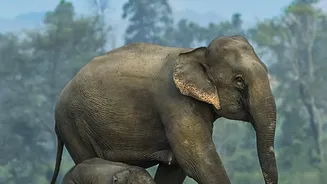
While the core areas of India's oldest national park, like Dhikala and Bijrani, close during the rains, several buffer zones remain accessible, offering a different but equally compelling experience. The Jhirna, Dhela, and Sitabani zones stay open for jeep safaris, allowing visitors to explore the rain-washed Sal forests and grasslands. In August, the landscape is incredibly lush and the rivers run full. These zones are known for good populations of wild elephants, deer, and wild boars. The reduced tourist traffic creates a more intimate and peaceful jungle experience. Birdwatching is also exceptional, with many species being particularly active. A monsoon safari in Corbett is about appreciating the forest in its most vibrant form, with the thrill of a potential tiger or leopard sighting still very much a possibility.
Tadoba-Andhari's Buffer Zones, Maharashtra
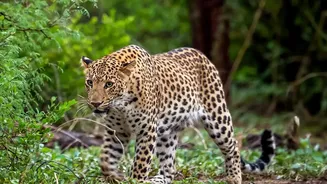
Tadoba has earned a formidable reputation for tiger sightings, and the monsoon doesn't bring this to a complete halt. While the core of the reserve closes from late June, all its surrounding buffer zones remain open for safaris. These areas are rich in wildlife and offer a surprisingly high chance of spotting tigers, who sometimes prefer walking on the clearer safari tracks rather than through the wet and dense undergrowth. The forest transforms into a verdant jungle, with full waterholes attracting a variety of animals. Safaris in the Moharli or Kolara buffer zones can yield sightings of tigers, leopards, sloth bears, and wild dogs against a stunningly green backdrop. With fewer vehicles and a raw, natural feel, a monsoon trip to Tadoba's buffer zones is a fantastic option for the dedicated wildlife enthusiast.
Dachigam National Park, Jammu & Kashmir
For a completely different monsoon experience, head to the mountains of Kashmir. Dachigam National Park, located just outside Srinagar, offers a cool, pleasant escape. August falls within the ideal time to visit the upper reaches of the park, where the weather is mild and the scenery is breathtaking. The park is a critical habitat for the endangered Kashmir Stag, or Hangul, which is the main wildlife attraction. The landscape is a mix of alpine pastures, meadows filled with wildflowers, and coniferous forests, all made more beautiful by light monsoon showers. Besides the Hangul, you may spot Himalayan black bears, langurs, and numerous species of Himalayan birds. It’s a tranquil retreat for those who love mountains and want to combine trekking and wildlife spotting in a comfortable climate.