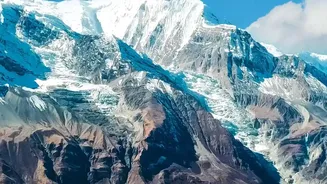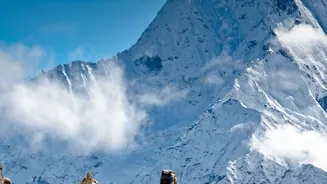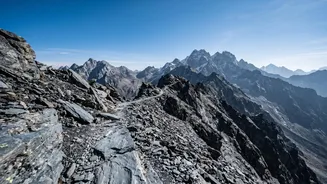

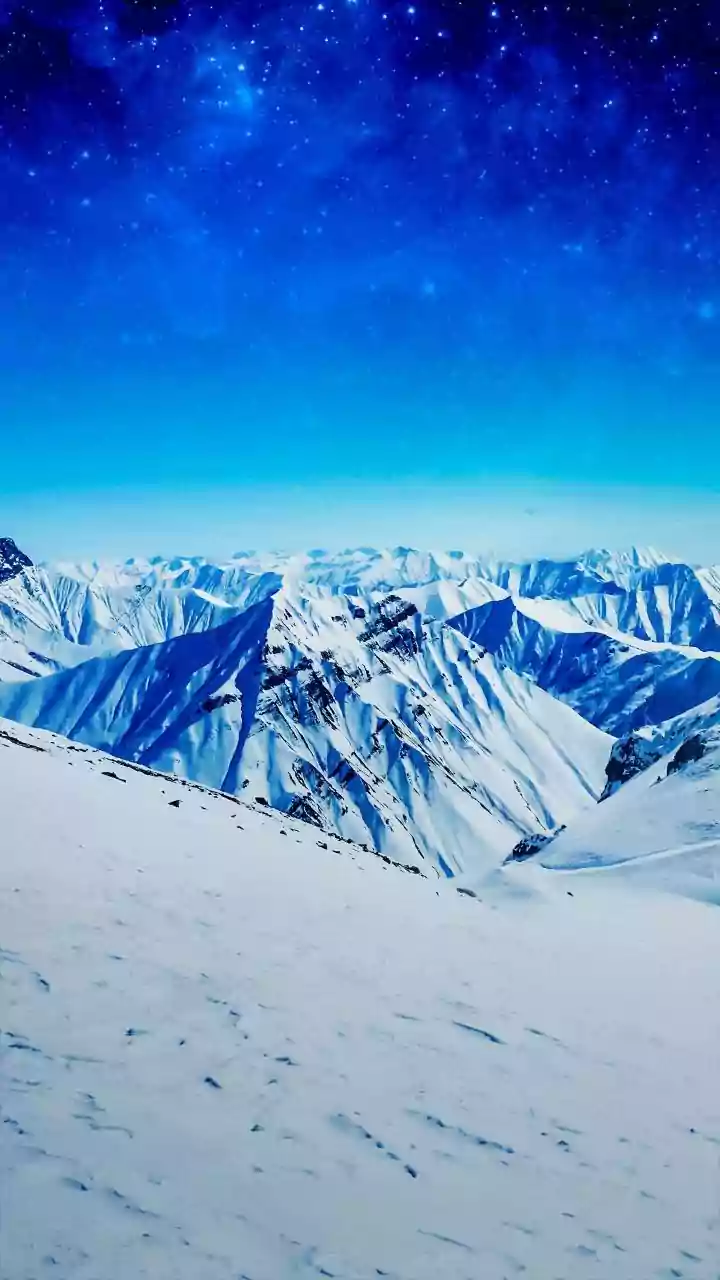
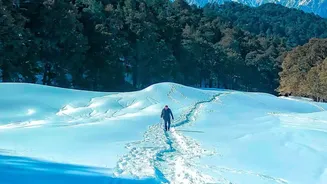
The majestic Himalayas have once again issued a stark reminder of their power. A recent incident involving mountaineers in Nepal has brought the critical issues of official permits, treacherous weather, and safety protocols into sharp focus.
A Perilous Reminder on the Trail
In the high-altitude
wilderness of the Nepalese Himalayas, tragedy is an ever-present risk. Reports of a recent incident, where a group of trekkers was caught in a sudden, unseasonal blizzard, serves as a sobering example of how quickly conditions can turn fatal. While details are still emerging, the event underscores a familiar pattern: climbers, sometimes with varying levels of experience, facing the wrath of nature in one of the world's most unforgiving environments. Such events inevitably reignite the debate around whether enough is being done to protect those who answer the call of the mountains. It forces officials, operators, and climbers alike to re-examine the systems in place that are designed to prevent such outcomes.
The Permit System Explained
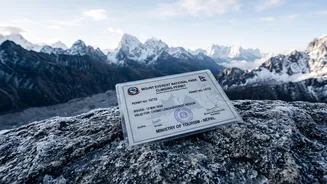
For many, the journey begins not at the trailhead, but with navigating a maze of bureaucracy. Obtaining the correct permits is a mandatory first step for any trekker or mountaineer in Nepal. This typically includes a TIMS (Trekkers' Information Management System) card and national park or conservation area permits. For those attempting to summit peaks, the requirements are even more stringent, involving expensive climbing permits that vary based on the mountain's height and prestige. These documents are not just revenue generators for the government; they are crucial tools for regulation and safety. They help authorities track the movement of climbers, ensure they are using registered guides, and manage the flow of traffic on popular routes. However, as recent events show, holding a permit is not a shield against danger. It is a license to enter a hazardous zone, with the responsibility for safety still resting heavily on the individual.
The Mountain Has the Final Say
No amount of regulation can control the weather, and the Himalayas are notorious for their meteorological volatility. What begins as a clear, sunny day can rapidly descend into a whiteout blizzard with hurricane-force winds. Climate change has only amplified this unpredictability, leading to more erratic snowfall, shifting monsoon seasons, and unstable glacial conditions. Expert forecasts provide a window of opportunity, but they are not infallible. The 'death zone' above 8,000 meters is particularly treacherous, as the body's ability to acclimatize ceases and survival times are measured in hours. The recent incident is a classic case of climbers being caught by a weather window that slammed shut unexpectedly. It highlights the fact that in the high Himalayas, the mountain always has the final say, demanding respect and humility from all who enter its domain.
When Rules Are Not Enough
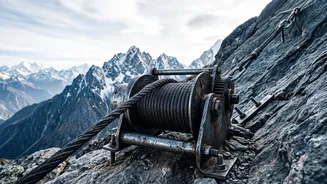
In response to past tragedies, Nepal's government has periodically updated its safety regulations. Rules often include mandating the hiring of a licensed guide, specifying minimum insurance coverage for rescue and medical emergencies, and requiring the use of tracking devices on certain expeditions. The goal is to create a safer climbing environment and a more professional industry. Yet, the reality on the ground can be complex. The competitive nature of the expedition business sometimes leads to cost-cutting measures, with some operators or climbers bending the rules. Furthermore, the vastness of the Himalayan region makes comprehensive enforcement a monumental challenge. The effectiveness of any safety rule ultimately depends on the culture of compliance among all stakeholders, from the government agency in Kathmandu to the guide and climber at Base Camp.