





More Than Just a Passing Trend
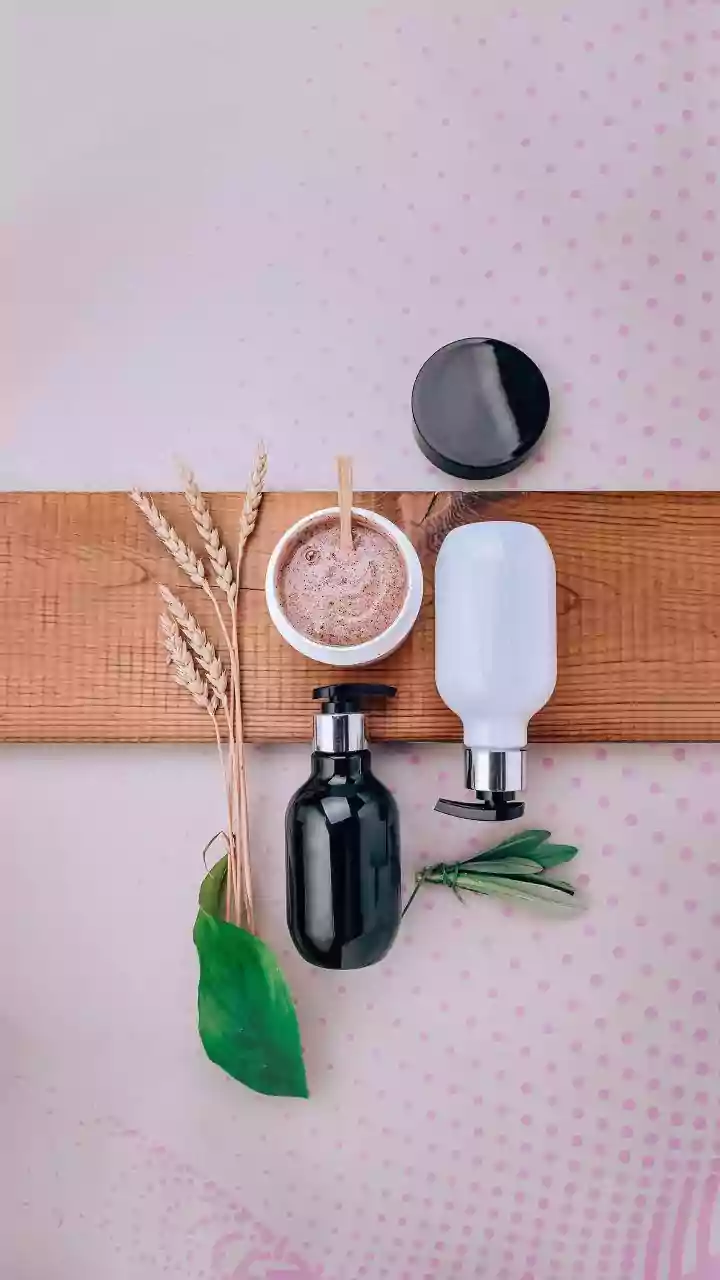
The Korean beauty phenomenon, often called K-beauty, is far more than just cute packaging and celebrity endorsements. At its core, it represents a fundamental shift in skincare philosophy. Unlike many Western routines that often focus on aggressively
treating problems as they appear (like using harsh acids for acne), the K-beauty approach is preventative and nurturing. The goal isn't a quick fix; it's about achieving long-term skin health through hydration, protection, and gentle, consistent care. This philosophy prioritizes strengthening the skin’s natural barrier, leading to the coveted 'glass skin'—a term for a complexion so healthy, hydrated, and smooth that it looks luminous and reflective.
The Perfect Fit for Indian Skin
One of the biggest reasons for K-beauty’s success in India is its surprising compatibility with Indian skin types and environmental challenges. Many Indian consumers struggle with issues like hyperpigmentation, excess sebum production due to humidity, and skin damage from pollution. Korean formulations are often lightweight, water-based, and non-comedogenic, making them ideal for hot and humid climates. Products like hydrating essences, lightweight sunscreens that leave no white cast, and gentle cleansing balms directly address common Indian skincare woes without feeling heavy or greasy. Furthermore, K-beauty’s focus on brightening ingredients like niacinamide, vitamin C, and licorice root resonates deeply in a market where tackling dark spots and achieving an even skin tone is a primary concern.
Innovation in Every Bottle
South Korea's beauty industry is one of the most competitive and innovative in the world. Companies invest heavily in research and development, constantly pushing the boundaries of cosmetic science. This results in unique textures and groundbreaking ingredients that capture consumer curiosity. Think of snail mucin essence, celebrated for its reparative and hydrating properties, or fermented ingredients that help skin absorb nutrients more effectively. This culture of constant innovation means there is always something new to discover. For Indian consumers who are increasingly savvy and well-informed, the appeal of trying scientifically advanced, effective, and often intriguing products is a major driver of the trend's staying power.
The Power of the Hallyu Wave
It’s impossible to discuss K-beauty without acknowledging the colossal influence of the 'Hallyu' or Korean Wave. The global explosion of K-dramas and K-pop has introduced Indian audiences not just to compelling stories and music, but to a whole new standard of beauty. Fans watch their favourite actors and idols with flawless, glowing skin and naturally want to know their secrets. This creates an immediate and organic demand for the products that promise to deliver that same look. When a beloved character in a K-drama is seen using a particular lip tint or sheet mask, it becomes an instant must-have item, driving sales and conversations online.
Building the Bridge from Seoul to India
A great product is useless if customers can't buy it. The final piece of the puzzle has been the rise of smart distribution channels. Initially, K-beauty products were hard to find in India, available only through personal importers or luggage hauls from trips abroad. Recognizing the gap, a wave of dedicated e-commerce platforms like Maccaron, Beauty Barn, and Limese emerged, specializing in curating and importing authentic Korean products. Soon after, beauty giants like Nykaa, Tira, and Myntra heavily invested in bringing popular and niche K-beauty brands directly to the mainstream Indian consumer, making them more accessible and trustworthy than ever before.