



What is Wood-Fibre Insulation?
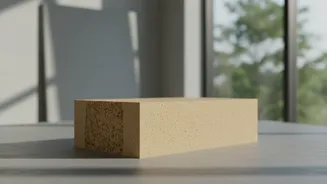
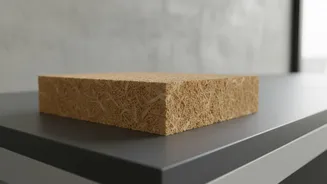
Wood-fibre insulation is an organic insulation material created from wood chips and shavings, which are often by-products from sawmills. The manufacturing process typically involves shredding the wood, mixing it with water, and then pressing it at high
temperatures. This causes the natural fibres to felt and bond together, creating air pockets that provide the insulating effect. Some newer methods are even creating a 'wood foam' by foaming a wood-fibre suspension and then hardening it, a process which requires no synthetic adhesives. These materials can be formed into rigid boards, flexible batts, or a loose-fill product. Beyond its renewable origins, a key selling point is what it does for a building's health. Wood-fibre insulation is vapour-permeable, meaning it allows walls to 'breathe'. This helps regulate indoor humidity and prevents the buildup of moisture that can lead to mould and structural decay, making it particularly suitable for both new builds and retrofitting older homes.
Evaluating Thermal Performance
An insulation's primary job is to resist heat flow, a property measured by its R-value—the higher the R-value, the better the insulation. Research into wood-fibre foam and board products shows promising results, with thermal conductivity values below 0.04 W/mK, which is comparable to conventional materials like polystyrene and standard wood fibre boards. The R-value of insulation products can vary widely; for example, closed-cell spray foam can reach R-6 to R-7 per inch, while fibreglass batts are typically in the R-3.2 to R-3.8 per inch range. Wood-fibre products generally fall within this latter range. However, R-value isn't the only factor. Wood fibre's high density gives it a good specific heat capacity, meaning it not only keeps heat in during the winter but also effectively buffers against summer heat gain, maintaining a more stable indoor temperature year-round.
Assessing Long-Term Durability
Durability is a critical factor in any building material's lifecycle assessment. One of wood fibre's most significant advantages is its ability to manage moisture. Unlike some synthetic insulations that can trap water, wood fibres are naturally designed to transport moisture. If they get wet, they can disperse the water and dry out quickly, which helps protect the building's structure from decay. Modern wood-fibre boards are also treated with additives like ammonium phosphate or natural resins and waxes, which make them resistant to rot, mould, and pests, as well as providing fire-retardant properties. Some products are so resilient they can be left exposed on a construction site for months without compromising their integrity. This robust nature means the insulation is expected to last, reducing the need for premature replacement and contributing to its long-term value.
The Cost-Benefit Analysis
When it comes to cost, wood-fibre insulation often has a higher upfront price compared to conventional materials like fibreglass. Fibreglass insulation can cost significantly less per square foot, making it a popular choice for budget-conscious projects. However, a true cost assessment looks beyond the initial purchase price. The long-term value of wood-fibre insulation lies in its durability and performance. Because it doesn't degrade or compact over time like some fibreglass can, it maintains its thermal performance for the life of the building. This consistent efficiency can lead to sustained energy savings that help offset the higher initial investment. Furthermore, by improving the longevity of the building's structural components through better moisture management, it can reduce future maintenance costs. As production scales up and becomes more localized, the upfront cost is also expected to become more competitive.
A Sustainable Choice for the Future
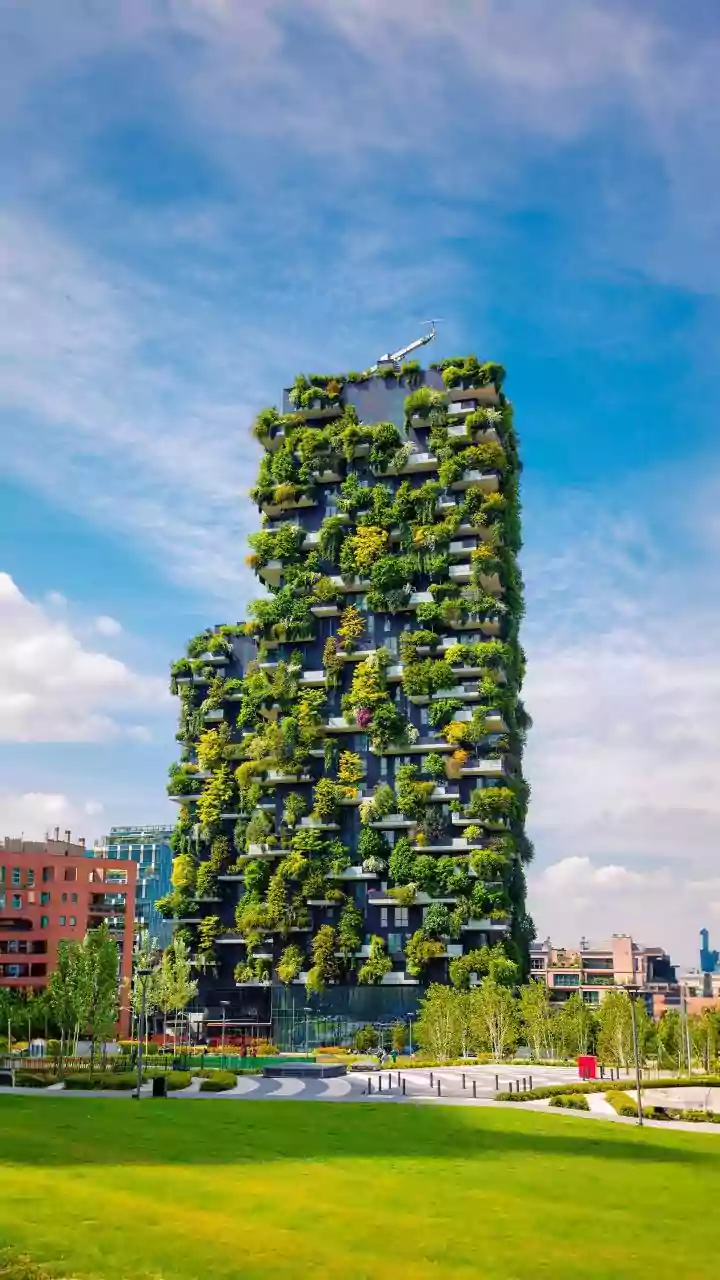
The final assessment of wood-fibre insulation hinges on its environmental credentials. Sourced from renewable wood by-products, it is a key player in the move toward low-carbon construction. The global wood fibre insulation board market was valued at $4.8 billion in 2025 and is projected to grow, driven by green building regulations. Unlike petrochemical-based foams, wood is a carbon-storing material. While the carbon is only stored for the product's lifespan, this still represents a significant reduction in embodied carbon compared to many alternatives. The production process, while still energy-intensive, is continually being refined. Researchers are actively developing new techniques to create wood foams and fibres with even better performance, aiming to close the gap with plastic-based materials in every metric. This ongoing innovation, combined with its proven benefits, positions wood-fibre insulation as a cornerstone of sustainable building for years to come.