



Udayagiri and Khandagiri Caves
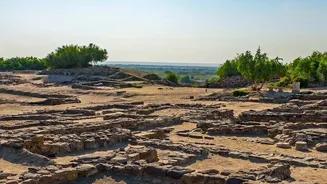
Just a short drive from the city centre, the twin hills of Udayagiri and Khandagiri transport you back to the 2nd century BCE. These are not mere caves but elaborate rock-cut shelters carved for Jain monks during the reign of King Kharavela. Udayagiri,
meaning 'Sunrise Hill', has 18 caves, while Khandagiri, 'Broken Hill', has 15. The most impressive is the two-storied Rani Gumpha (Queen's Cave) in Udayagiri, which features ornate carvings depicting royal processions and mythological events. The inscriptions and reliefs found throughout the complex offer a priceless glimpse into the region's ancient social, cultural, and religious life. Allow yourself a few hours to wander through these architectural marvels, which stand as a testament to ancient India's engineering and artistic genius.
Dhauli Giri Shanti Stupa
Situated about 8 kilometres south of Bhubaneswar on the banks of the Daya River, Dhauli Hill is a place of profound historical significance. It is believed to be the battlefield of the gruesome Kalinga War in 261 BC, a conflict so bloody it transformed Emperor Ashoka from a ruthless conqueror into a devout Buddhist. To commemorate this transformation, a luminous white Peace Pagoda, or Shanti Stupa, was built here in 1972 by the Japan Buddha Sangha and Kalinga Nippon Buddha Sangh. The serene monument, with its dome structure and panels depicting the life of Buddha, offers panoramic views of the surrounding plains. Nearby, you can also see ancient rock edicts from Ashoka's time, where he inscribed his messages of peace and dhamma for the world to see.
Raghurajpur Heritage Crafts Village
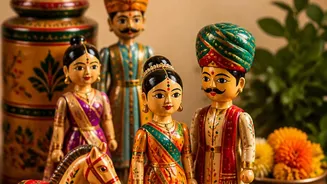
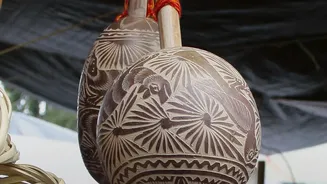
Located about 50 kilometres from Bhubaneswar, Raghurajpur is not just a village but a living museum. Recognised as Odisha's first heritage crafts village, almost every household here is a studio for master artisans. The village is most famous for its Pattachitra paintings, a traditional form of scroll painting on cloth that dates back centuries. These intricate artworks, created with natural colours, depict stories from Hindu mythology. But the artistry doesn't stop there. Visitors can also witness palm leaf engraving, stone carving, wood carving, and the creation of colourful papier-mâché masks and toys. Walking through the village is an experience in itself, with the walls of homes adorned with beautiful murals. It’s a perfect place to buy authentic handicrafts directly from the creators and appreciate the preservation of these timeless skills.
Pipili Appliqué Village
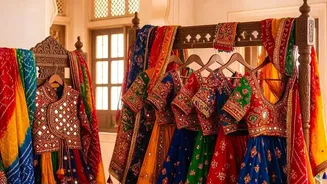
A vibrant splash of colour on the highway between Bhubaneswar and Puri, the town of Pipili is world-renowned for its appliqué work, known locally as 'Chandua'. This craft has deep roots in the traditions of the Jagannath Temple in Puri, as artisans from Pipili have long created the colourful canopies, umbrellas, and banners for the annual Rath Yatra festival. The streets of Pipili are lined with shops selling a dazzling array of products, from giant ceremonial umbrellas to modern items like handbags, lampshades, and wall hangings. The technique involves stitching brightly coloured pieces of cloth onto a base fabric to create intricate patterns of deities, animals, flowers, and geometric designs. A stop at Pipili offers a chance to witness a craft that has earned a Geographical Indication (GI) status and take home a piece of Odisha's vibrant handicraft legacy.