







Why Your Skin Struggles in High Humidity
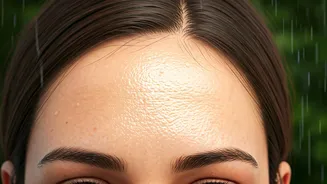
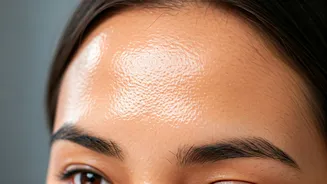
The primary challenge during the rainy season is the high humidity in the air. This excess moisture prevents sweat from evaporating, trapping it on your skin's surface along with oil and dirt. This sticky film clogs pores, creating the perfect breeding
ground for bacteria and fungi. As a result, many people experience a spike in acne breakouts, blackheads, and skin infections. Skin can feel greasy and dull, and pre-existing conditions like eczema can flare up. The skin’s natural barrier weakens due to the constant dampness, making it more vulnerable to irritation and allergies.
Your Morning Monsoon Routine
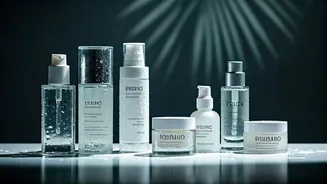
Starting your day with the right steps can set your skin up for success. The goal is to cleanse thoroughly but gently, hydrate without adding weight, and protect. First, use a mild, soap-free cleanser to remove the oil and sweat that has built up overnight. Look for ingredients like salicylic acid if you're prone to acne. Next, apply an alcohol-free toner to help balance the skin and tighten pores. Follow this with a lightweight, non-comedogenic (non-pore-clogging) moisturiser. Gel or water-based formulas with ingredients like hyaluronic acid are ideal, as they hydrate without feeling greasy. Finally, never skip sunscreen. Even on cloudy days, up to 80% of UV rays can penetrate the cloud cover. A broad-spectrum, water-resistant sunscreen with at least SPF 30 is non-negotiable to prevent sun damage.
The Essential Evening Reset
Your evening routine is crucial for removing the day's grime and helping your skin repair itself. If you wear makeup or sunscreen, start with a double cleanse. Use an oil-based cleanser or micellar water first to break down products, followed by your gentle water-based face wash. This ensures your pores are truly clean. After cleansing, apply any treatment serums. Ingredients like niacinamide are excellent for controlling oil and improving skin texture in humid weather. A few times a week, you can incorporate a gentle chemical exfoliant with AHAs or BHAs to prevent dead skin cell buildup. Finish with your lightweight moisturiser to lock in hydration while you sleep.
Weekly Care for a Healthy Glow
In addition to your daily routine, a weekly treatment can help manage monsoon-specific skin issues. Using a clay mask once or twice a week is an effective way to absorb excess oil and deep-clean pores. For those with sensitive skin, a gentler mask with ingredients like sandalwood or turmeric can soothe and brighten. Gentle exfoliation is also key, but it's important not to overdo it, as this can irritate the skin and damage its protective barrier. A mild scrub or a low-concentration chemical exfoliant used once a week is usually sufficient to keep dullness at bay.
Preventing Common Fungal and Bacterial Infections
The damp conditions of the monsoon make it a peak season for fungal infections like ringworm and athlete's foot. The key to prevention is keeping your skin as dry as possible. Change out of wet clothes or sweaty gym gear immediately. Pay special attention to skin folds, underarms, and the groin area, using an antifungal powder if you are prone to infections. Wearing loose, breathable cotton clothing helps improve air circulation and reduces sweating. For your feet, avoid closed, wet shoes and ensure they are thoroughly dry before putting on clean socks.
Lifestyle Adjustments That Make a Difference
Skincare isn't just about the products you apply. Simple lifestyle habits can have a big impact. Hydrate from the inside out by drinking plenty of water, which helps flush toxins from your body. Be mindful of your diet; some find that very oily or spicy foods can aggravate acne. Avoid touching your face frequently, as this can transfer dirt and bacteria, leading to breakouts. Also, try to avoid heavy, pore-clogging makeup. If you do wear it, opt for lightweight, water-based formulas and be diligent about removing it at the end of the day.