


The End of One Era, The Dawn of Another
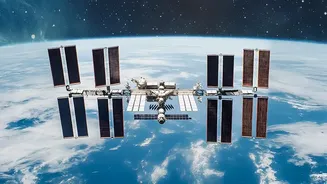
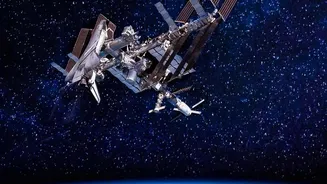
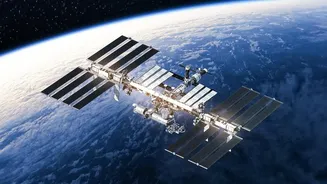
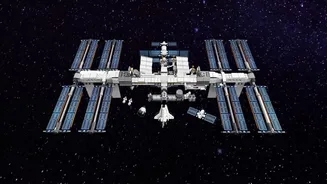
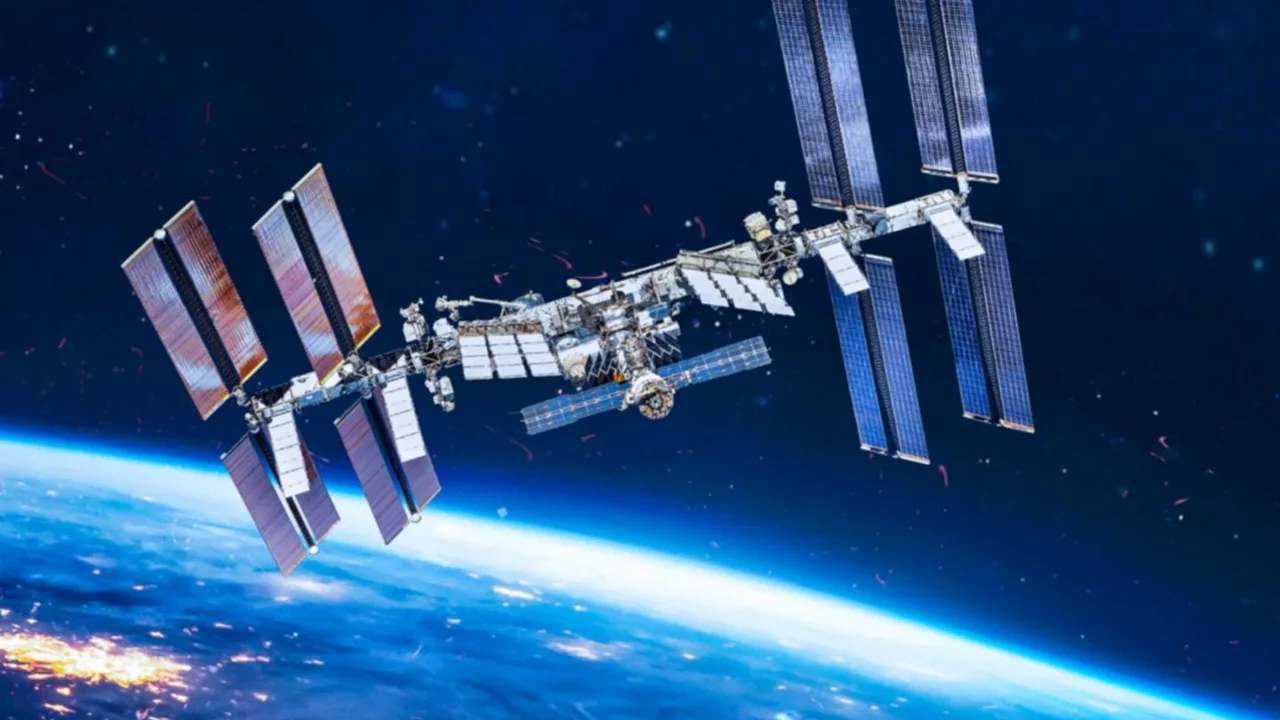
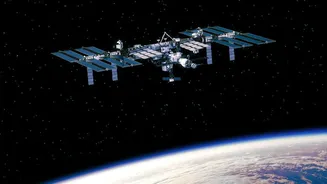
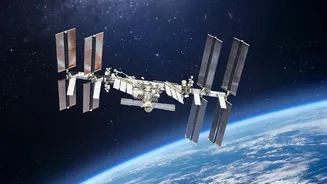
For over two decades, the International Space Station (ISS) has been the sole domain of government astronauts and a global symbol of scientific cooperation. But by 2030, this stalwart of space will be deorbited, guided to a controlled reentry over the ocean.
This transition doesn't mark an end to orbital research but rather a fundamental shift. NASA is moving from being an owner and operator to becoming a customer. Through its Commercial Low Earth Orbit Destinations (CLD) program, the agency is actively funding the development of private space stations to ensure there is no gap in America's ability to live and work in space. This strategic handover is designed to foster a robust commercial marketplace in orbit, where NASA is just one of many clients.
Meet the New Landlords of LEO
Several key players are leading the charge to build these orbital outposts. Axiom Space is pursuing a unique strategy by first attaching its own modules to the ISS. The first module is expected to connect in the late 2020s, with a plan to later detach and form a free-flying independent station called Axiom Station around 2028. This allows Axiom to begin operations and generate revenue while its full platform is still being assembled. Meanwhile, a partnership between Blue Origin and Sierra Space is developing Orbital Reef, envisioned as a "mixed-use business park" in space. This ambitious project plans to use Sierra Space's Large Integrated Flexible Environment (LIFE) modules—inflatable habitats that launch in a compressed state and expand in orbit to offer large volumes of space for work and living. Other major contenders include Vast, which aims to launch its single-module Haven-1 station as early as 2027, and Starlab, a joint venture from Voyager Space and Airbus.
The Business of Breakthroughs
These commercial stations aren't just replacements for the ISS; they are purpose-built for a diversified orbital economy. While fundamental science will continue, the emphasis is on commercially viable research and development. The unique microgravity environment offers incredible potential for industries on Earth. Pharmaceutical companies can grow purer protein crystals for drug development, and manufacturers can produce exotic fiber optics and semiconductor materials impossible to create with gravity's interference. Other fields like bioprinting of human organs and advanced materials science are also key targets. The business model is a service-based one: a university, corporation, or smaller nation's space agency can contract with a station operator for crew time, lab space, and power to run its experiments, without the massive overhead of building its own infrastructure.
More Than Just a Laboratory
The financial success of these private habitats depends on more than just research contracts. Most operators are planning a diversified revenue model. This includes in-space manufacturing, where the station itself becomes a factory for high-value products. Another major revenue stream is space tourism, with private astronauts paying for the experience of living in orbit. Axiom Space has already successfully flown multiple private astronaut missions to the ISS, proving the market exists. By combining government contracts (from NASA and other national agencies), private research, industrial manufacturing, and tourism, these companies hope to create a sustainable economic ecosystem that can support the high operational costs of maintaining a permanent human presence in space. This model is critical for creating a vibrant low-Earth orbit economy that is not solely reliant on government funding.
The Challenges Ahead
The path to a commercialized low-Earth orbit is not without significant hurdles. Securing the enormous private investment needed to build and launch these stations is a primary challenge, especially as timelines can be long and uncertain. NASA's own inspector general has previously raised concerns about whether a commercial platform can realistically be ready before the ISS is retired. Furthermore, the business case for these stations is still developing. While there is clear demand from NASA, attracting a broad and sustainable base of commercial customers is essential for long-term viability and profitability. There are also complex regulatory and international law questions to resolve when private entities, rather than states, operate orbital outposts. Despite these challenges, the momentum is undeniable, as construction and testing of key hardware components are already well underway.