









What Is Being Proposed?
The Goa Forest Department has sent a proposal to the state's Environment Department to officially designate 24 beaches as turtle nesting sites under the Coastal Regulation Zone (CRZ) Notification of 2019. This move would bring some of Goa's most popular
tourist beaches under stricter environmental regulation. If approved, the designation could lead to tighter controls on activities that threaten the fragile nesting process, especially during the season from November to April. Potential restrictions include controls on artificial lighting, loud events, vehicle movement on the sand, and the placement of temporary beach shacks.
Why Are These Protections Needed?
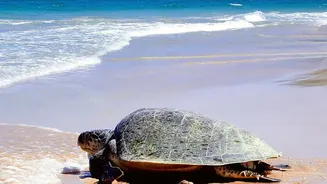
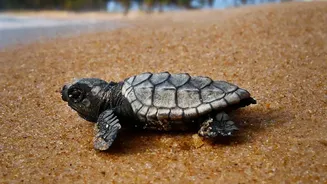
The primary goal is to protect the Olive Ridley sea turtle, an endangered species that comes ashore to lay eggs on these specific beaches. Conservationists have raised alarms over declining nesting numbers in recent years, which have been attributed to increased human activity. The turtles, and especially their hatchlings, are vulnerable to several threats. Bright lights from shacks and resorts can disorient nesting females and lead hatchlings away from the sea. Noise and crowds can prevent females from coming ashore to lay their eggs, while unregulated beach activities can damage the nests, which are buried in the sand. The proposal aims to create a safer environment to boost hatchling survival rates and support the long-term health of the species.
Which Beaches Are on the List?
The proposal covers a significant portion of Goa's 105-kilometre coastline, including 10 beaches in the North and 14 in the South. While Agonda and Galgibaga in South Goa are already recognised as nesting sites, the new list is far more extensive. The southern beaches named in the proposal include the famous Palolem and Patnem, as well as Rajbag, Cabo de Rama, Cola, Talpona, Mobor, Baina, Carmona, Cavelossim, and Varca. In North Goa, the list includes tourist hotspots like Calangute, Baga, Candolim, and Arambol, alongside existing nesting sites like Morjim and Mandrem. The sheer number of popular beaches included has caused widespread concern among local business owners.
The Impact on Tourism and Livelihoods
The proposal has sparked significant anxiety within Goa's tourism sector. Stakeholders, including the All Goa Private Property Shacks and Huts Owners Association, fear that the restrictions could devastate their livelihoods. They argue that the nesting season coincides directly with the peak tourist season, and limitations on shacks, lighting, and events could 'kill tourism business at large'. Many local representatives and business owners are calling for the government to consult with them before finalising any rules, stating that conservation and tourism should not be seen as competing interests. They are seeking clarity on the exact nature of the restrictions, hoping for a balanced approach that protects turtles without completely disrupting the local economy that depends on these beaches.
What Happens Next?
The Forest Department's proposal is currently with the Department of Environment and Climate Change for consideration. If the proposal is accepted, a detailed environment management plan must be created for these ecologically sensitive areas. This plan will outline the specific restrictions, enforcement mechanisms, and whether they will apply seasonally or year-round. It is expected to be based on maps prepared by the National Centre for Sustainable Coastal Management. Tourism bodies and local panchayats have already begun voicing their opposition, with some planning to pass resolutions against the move. The coming months will likely see intense discussions between government departments, environmental groups, and tourism stakeholders to find a sustainable path forward for both the turtles and the people of Goa.