



The Grand Feast: Savouring the Onam Sadya
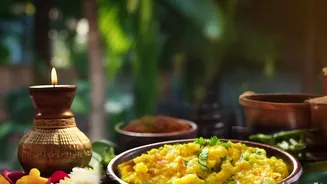
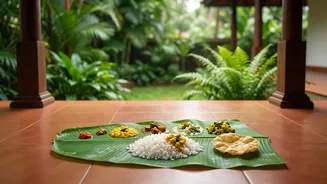
The soul of Onam is arguably the Onam Sadya, an elaborate vegetarian feast that represents abundance and community. Served on a banana leaf, this meal can feature over two dozen dishes, creating a balanced palette of sweet, sour, salty, and spicy flavours.
Key dishes include 'parippu' (lentil curry), 'sambar', 'avial' (mixed vegetables in coconut gravy), 'pachadi' (yoghurt-based curries), and various pickles and chips. The meal concludes with sweet 'payasam' (a milk-based pudding). For a traveller, experiencing Sadya is a must. Many hotels and restaurants across Kerala offer special Sadya meals during the festival. For a more intimate experience, consider staying at a homestay, where you might be invited to join a family's private feast. Eating with your right hand is traditional, and the specific placement of each dish on the leaf has its own significance.
A Riot of Colour: Witnessing Cultural Spectacles
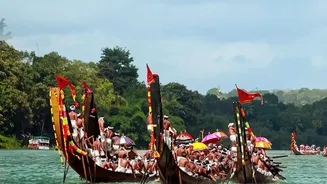
Onam's public celebrations are a feast for the senses. In Thrissur, the cultural capital, the streets come alive with Pulikali, or the 'Tiger Dance', on the fourth day of Onam. Hundreds of performers, their bodies painstakingly painted as tigers and leopards, dance through Swaraj Round to the thunderous beat of traditional drums like the 'chenda'. Another unmissable event is the Vallam Kali, or snake boat race. The Aranmula Uthrittathi Vallamkali is one of the oldest and most sacred, more of a ritual than a race, held on the Pamba River. These majestic 'Palliyodam' boats, each rowed by a hundred men, glide through the water in a show of incredible synchronicity and community spirit. To witness these events, head to Thrissur for Pulikali and the Pathanamthitta district for the Aranmula race.
Floral Carpets and Festive Attire: Embracing Local Traditions
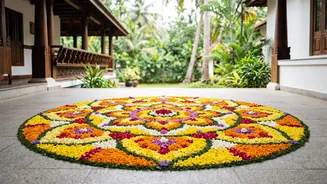
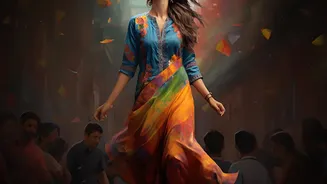
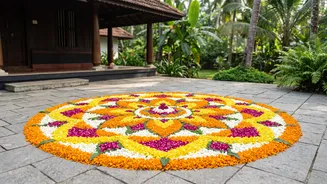
One of the first signs of Onam is the 'Pookalam', an intricate floral carpet laid at the entrance of homes and public spaces. These circular designs, which grow larger and more complex each day of the ten-day festival, are made to welcome the spirit of the mythical King Mahabali. As a visitor, you will see them everywhere, from hotel lobbies to shop fronts. Another beautiful tradition is the 'Onakkodi', the practice of wearing new clothes. The traditional attire consists of an elegant off-white or cream fabric with a gold border—a 'mundu' or 'veshti' for men and a 'mundum neriyathum' or sari for women. While not required, respectfully wearing this attire can be a wonderful way to feel part of the festivities. These garments are widely available in textile shops across Kerala leading up to and during Onam.
Where to Go: Key Onam Hotspots
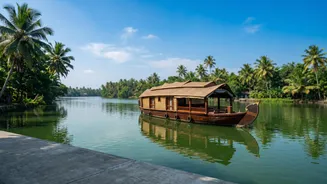
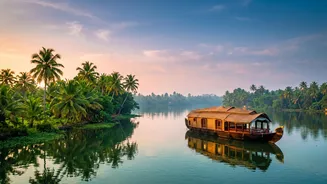
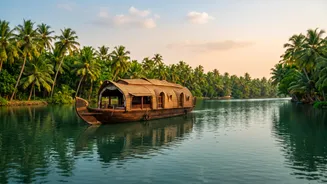
While Onam is celebrated across the state, some places offer more for a visiting traveller. Trivandrum, the capital city, hosts a week of celebrations with illuminated streets, food festivals, and dance performances. The town of Tripunithura, near Ernakulam, kicks off the state-wide festival with the grand Athachamayam procession, a parade of floats, dancers, and caparisoned elephants. Thrikkakara Temple, also near Ernakulam, is considered the mythological home of Onam and hosts festivities throughout the ten-day period. For a more serene experience, the backwaters of Alleppey or Kumarakom offer houseboat stays where you can enjoy the festive meals amidst tranquil scenery. Booking travel and accommodation well in advance is crucial, as Onam is a peak travel time for Malayalis returning home.