





Beyond the 'Good Mood Food' Myth
For years, we've been tempted by headlines promising that a single ingredient—be it a square of dark chocolate, a handful of walnuts, or an exotic berry—can instantly lift our spirits. While there are certainly foods with impressive nutritional profiles,
the idea of a quick, edible mood fix is largely a myth. The latest science encourages a broader perspective. Instead of searching for individual miracle foods, researchers are finding that our overall dietary patterns hold more power over our long-term emotional and mental well-being. This shift moves away from short-term gratification and toward building sustainable habits that support the brain, not just tantalise the taste buds.
What the New Research Shows
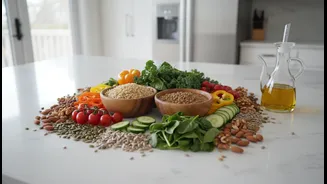
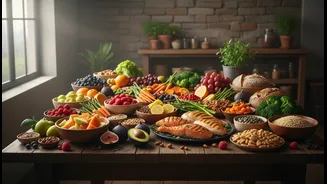
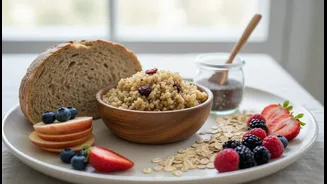
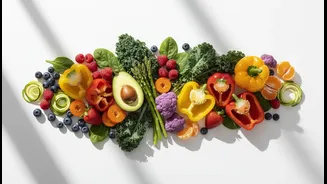
A wave of recent studies is providing a clearer picture of the food-mood connection. A significant 2024 umbrella review published in The BMJ found that higher intake of ultra-processed foods (UPFs) was associated with a 53% increased risk of common mental disorder symptoms like depression and anxiety. Another 2026 systematic review specifically looking at children and adolescents found similar links between high UPF consumption and issues like anxiety and irritability. The key takeaway is not about demonising any one food, but about the balance of your overall diet. Diets consistently high in whole foods—like vegetables, fruits, whole grains, and lean proteins—are repeatedly linked with better mental health outcomes. In contrast, diets dominated by highly processed items, sugary drinks, and unhealthy fats are associated with an increased risk of depression and anxiety.
The Gut-Brain Axis at Work
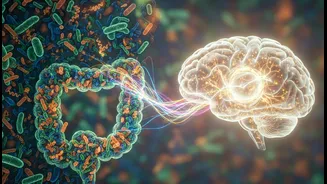
How can a plate of food influence our thoughts and feelings? The answer lies in the gut-brain axis, a complex communication network linking our digestive system and our brain. Our gut is home to trillions of microbes, collectively known as the gut microbiome, which plays a crucial role in our health. The food we eat directly influences the diversity and health of these microbes. A diet rich in fibre from plants, like in a Mediterranean-style pattern, helps beneficial bacteria thrive. These good bacteria produce compounds, including neurotransmitters like serotonin (a key mood regulator), that can send positive signals to the brain. Conversely, diets high in UPFs can trigger inflammation and disrupt this delicate ecosystem, sending stress signals to the brain that can contribute to low mood over time.
Building a Mood-Supportive Diet in India
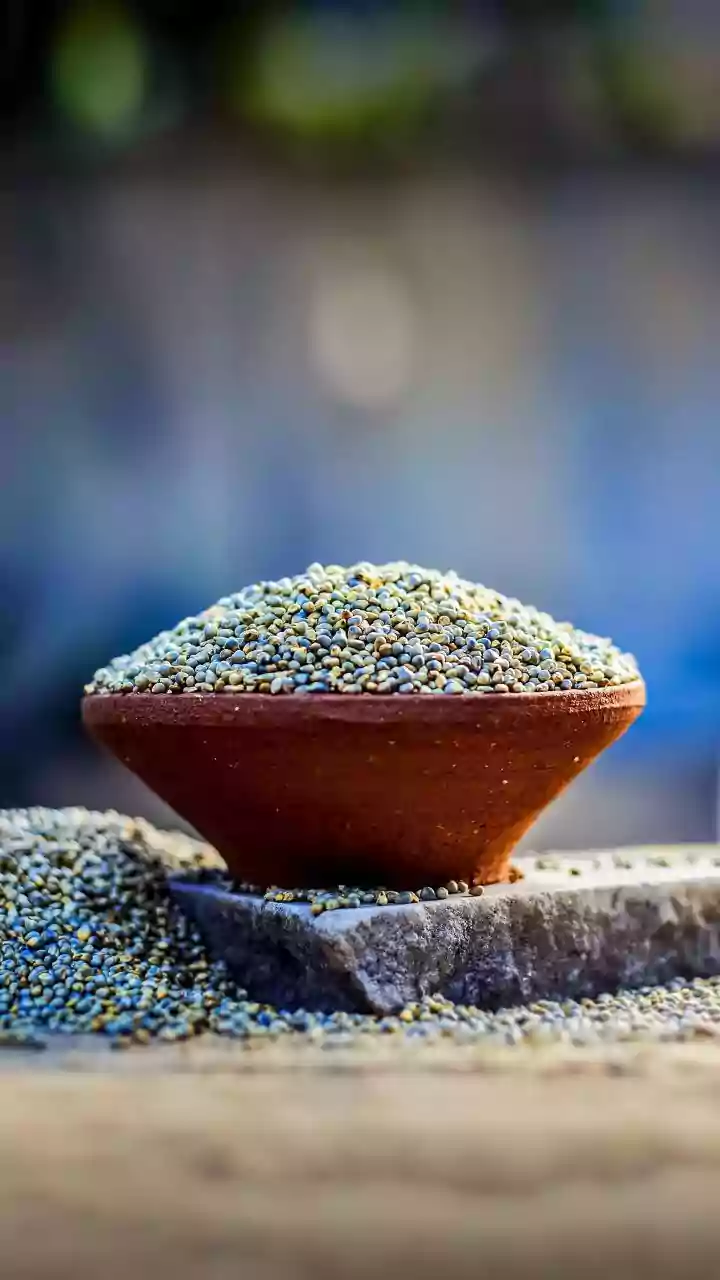
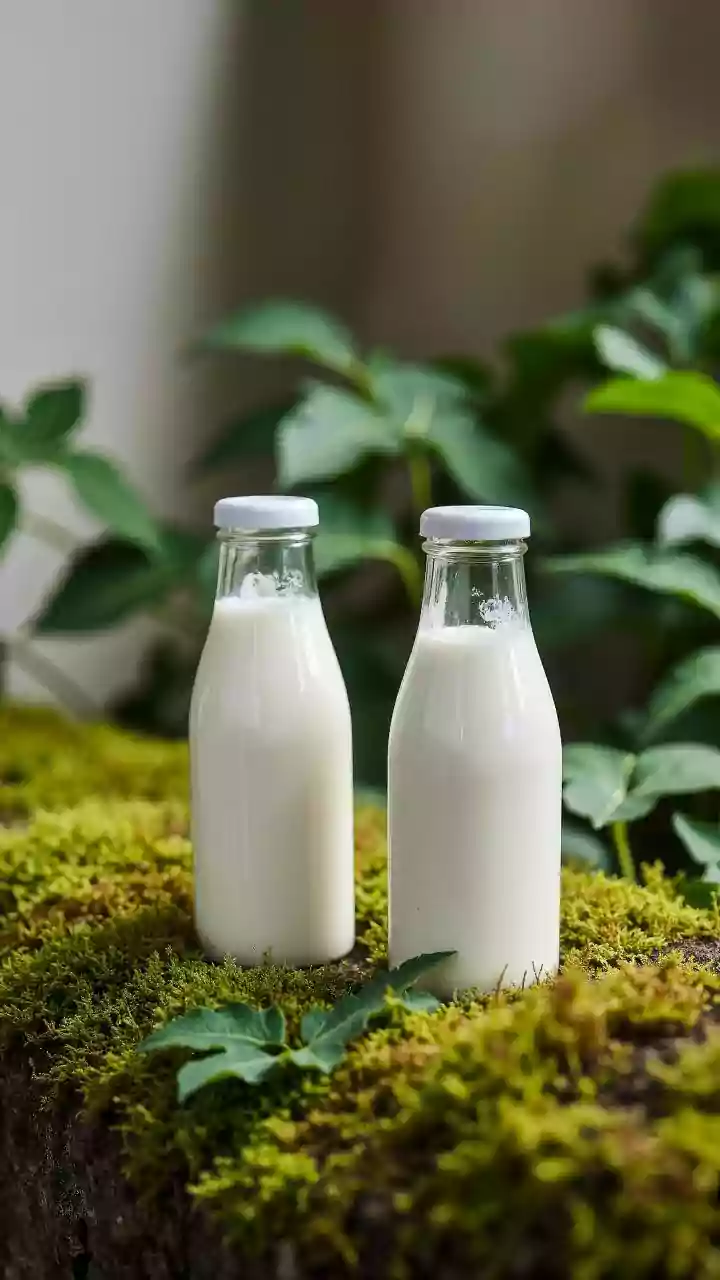
Adopting a mood-supportive diet doesn't require a complete overhaul or a switch to expensive, imported ingredients. Traditional Indian eating patterns are naturally rich in many of the elements science now promotes. The focus is on whole, minimally processed foods. Think dal, sabzi, roti made from whole wheat or millets, and fresh, seasonal fruits. These meals are packed with fibre, protein, and micronutrients. The key is to favour home-cooked meals where you control the ingredients, and to limit the consumption of packaged snacks, sugary biscuits, and sweetened beverages that are high in refined sugars, unhealthy fats, and additives. Including sources of healthy fats like nuts, seeds, and the occasional serving of fatty fish can provide brain-essential omega-3 fatty acids. Fermented foods like dahi (yoghurt) and pickles can also support gut health.
It’s Support, Not a Cure
It is crucial to remember the headline's central message: these patterns are not a guaranteed fix. While a healthy diet can be a powerful tool for supporting mental well-being, it is not a replacement for professional medical treatment for conditions like depression or anxiety. Mental health is complex, influenced by genetics, lifestyle factors like sleep and exercise, and social support. Food is an important piece of this holistic puzzle, but it is just one piece. The goal is to see food as a form of long-term self-care that helps build resilience and supports overall brain health, rather than expecting a single meal to solve deeper issues. If you are struggling, professional help is the most important step.