





An Invitation to Build on the Moon
The United States and India are taking their space partnership to the next frontier: the lunar surface. During the ninth meeting of the U.S.-India Civil Space Joint Working Group in Bengaluru, NASA extended a formal invitation for ISRO to participate
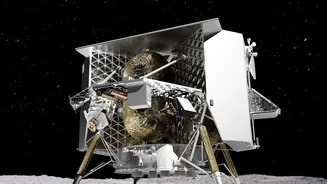
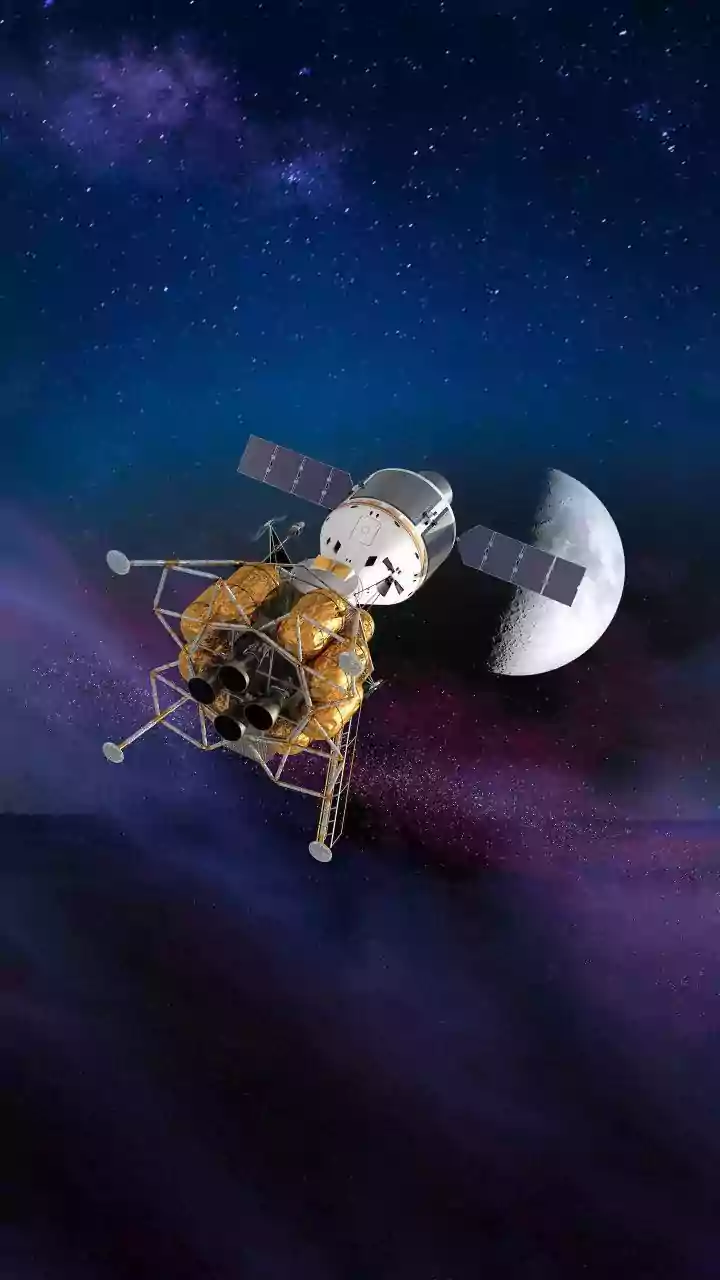
in its Moon Base program. This initiative, a core component of the broader Artemis missions, aims to establish a permanent, sustainable human presence near the Moon's south pole. The invitation marks a pivotal moment, elevating India from a partner in Earth observation and astronaut training to a potential collaborator in building humanity's first off-world outpost. While specific details of what India's participation would entail are still being discussed, the move signals a powerful endorsement of ISRO's capabilities and a significant deepening of the strategic alliance between the two democracies.
The Foundation: A Landmark Satellite Mission
This lunar invitation wasn't extended in a vacuum. It comes directly on the heels of a highly successful joint project: the NASA-ISRO Synthetic Aperture Radar (NISAR) mission. Launched in July 2025, the NISAR satellite is a sophisticated Earth-observation spacecraft designed to monitor our planet's complex processes in unprecedented detail. The satellite, which integrates advanced L-band and S-band radar systems built by NASA and ISRO respectively, maps changes on Earth's surface twice every 12 days. From tracking agricultural health and water resources to monitoring natural hazards like earthquakes and landslides, NISAR has been hailed as a triumph of international collaboration. The success and smooth operation of this complex, shared mission built the necessary trust and demonstrated the technical interoperability for NASA to propose an even more ambitious partnership.
What is the Artemis Program?
For American audiences, it’s important to understand what ISRO is being invited to join. The Moon Base is part of NASA's Artemis program, the agency's flagship effort to return humans to the Moon for the first time since the Apollo missions. But unlike Apollo, Artemis is about more than just flags and footprints; its stated goal is to go back to the Moon to stay. The program, which India joined by signing the Artemis Accords in 2023, is a U.S.-led international coalition of now over 70 nations committed to principles of safe and responsible space exploration. The ultimate goal is to build a sprawling, city-like base near the lunar south pole, a strategic location believed to hold significant deposits of water ice. This base would serve as a hub for science, resource extraction, and a crucial stepping stone for future human missions to Mars.
What India Brings to the Table
NASA's invitation is a clear recognition of ISRO's rising status as a world-class space agency. India has a proven track record of executing complex deep-space missions, highlighted by the historic success of its Chandrayaan-3 mission, which made it the fourth country to soft-land on the Moon and the first to do so near the south pole. ISRO is also renowned for its cost-effective engineering, a philosophy sometimes referred to as “frugal innovation,” which allows it to achieve ambitious goals on budgets that are a fraction of those of other major space powers. With its own plans to send astronauts to the Moon by 2040 and build a space station, India's ambitions align closely with NASA's long-term vision. This potential for shared goals, combined with a deep well of scientific and engineering talent, makes India an attractive and formidable partner for the lunar endeavor.
The Geopolitical View from Orbit
Beyond the scientific and technical merits, this partnership carries significant geopolitical weight. The new space race is increasingly framed as a competition between two major blocs: the U.S.-led Artemis coalition and a rival lunar station being developed by China and Russia. By integrating India more deeply into the Artemis framework, the United States is solidifying a key democratic alliance in space. This collaboration underpins the broader U.S.-India strategic partnership, which focuses on countering China's influence in the Indo-Pacific and collaborating on critical and emerging technologies. A joint presence on the Moon would be a powerful symbol of this alignment, demonstrating a shared commitment to an open and cooperative international order, both on Earth and in the cosmos.