








What Are These Challenges?
The Indian Space Research Organisation (ISRO) has long been committed to nurturing young talent through various outreach activities. These are not just science fairs; they are structured programmes designed to solve real-world space technology problems.
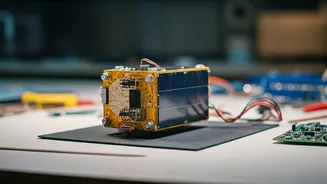
Initiatives range from the YUva VIgyani KAryakram (YUVIKA) for school children to more advanced competitions for university students. For instance, hackathons challenge participants to work on specific problem statements related to satellite data analysis or operational demands, while robotics challenges invite students to design and build rovers for future interplanetary missions. The student satellite programme even allows academic institutions to design, build, and test their own satellites with mentorship from ISRO scientists.
More Than Just a Prize
While winning a competition is a great achievement, the real value of these challenges lies beyond the certificate. They have become a crucial part of strategic career planning for students aiming for a future in the space industry. Participating in an ISRO-backed challenge offers invaluable hands-on experience and a chance to work on projects that mirror the complexities of actual space missions. It provides a platform for students to interact directly with ISRO scientists and mentors, gaining insights that are impossible to find in a textbook. This direct engagement helps participants get noticed by the very people who might hire them one day, turning a competition entry into a de facto job application.
Building the Skills That Matter
These innovation challenges are meticulously designed to cultivate skills that are in high demand. Participants don't just learn theory; they apply it. They work in teams to identify and solve complex engineering problems, manage projects, and communicate their findings effectively. Whether it's developing advanced materials, interpreting remote sensing data, or writing the software for a robotic arm, students gain practical expertise. According to ISRO, one of the objectives of these challenges is to co-develop future technologies, meaning the solutions students create have a genuine chance of being incorporated into future missions. This process hones their problem-solving abilities, flexibility, and teamwork—qualities essential for a career in a high-stakes environment like space exploration.
The Direct Career Payoff
The link between participating in these challenges and securing a career is becoming increasingly direct. Winning teams or standout participants often receive rewards like short-term internships at ISRO centres, giving them a foot in the door of the prestigious organisation. The experience and skills gained are a significant resume booster, making candidates more attractive to recruiters. Several of ISRO's outreach initiatives, like the IIRS programme, offer free certification courses that enhance a participant's profile for future recruitment. Furthermore, ISRO's Student Satellite Programme has already led to the successful launch of several student-built satellites, providing those involved with unparalleled real-world mission experience that is highly valued. These programmes act as a talent pipeline, preparing future scientists and engineers for roles within ISRO and the broader industry.
A Gateway to India's Private Space Boom
The impact of these challenges extends beyond government jobs. With the rapid growth of private space-tech startups in India, the demand for skilled engineers and scientists is at an all-time high. The practical skills and project experience gained from ISRO's competitions are directly transferable to the private sector. Companies are looking for talent that can hit the ground running, and a portfolio that includes designing a satellite payload or a rover prototype is a powerful differentiator. ISRO itself encourages these initiatives to help develop future vendors and create a robust ecosystem of space technology within the country. By participating, students are not just preparing for a job at ISRO; they are positioning themselves at the forefront of India's entire space economy.