
The Danger Zone Explained
The first thing to understand is why speed is so important. There's a temperature range known as the 'danger zone,' where bacteria thrive. According to food safety authorities like the FDA, this zone is between 5°C and 60°C. Within this range, harmful
bacteria such as Salmonella and E. coli can double in number in as little as 20 minutes. The longer your delicious leftovers sit at room temperature or cool down slowly, the more time these unwelcome guests have to multiply, increasing the risk of foodborne illness. The goal is to move food through this danger zone as quickly as possible.
The Two-Hour, Two-Stage Rule
To combat bacterial growth, food safety experts recommend a two-stage cooling process. The rule is simple and effective: food must be cooled from 60°C down to 21°C within two hours. This is the most critical phase because it's in the upper end of the danger zone where bacteria grow fastest. Once the food reaches 21°C, the second stage begins: you have an additional four hours to bring the temperature down to 5°C or below, which is the safe temperature for refrigeration. Adhering to this six-hour total window is a non-negotiable for preventing illness.
Divide and Conquer Your Leftovers
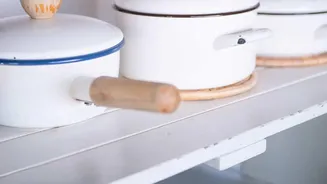
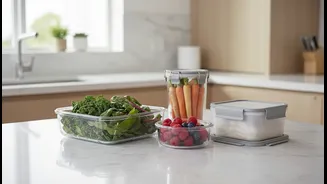
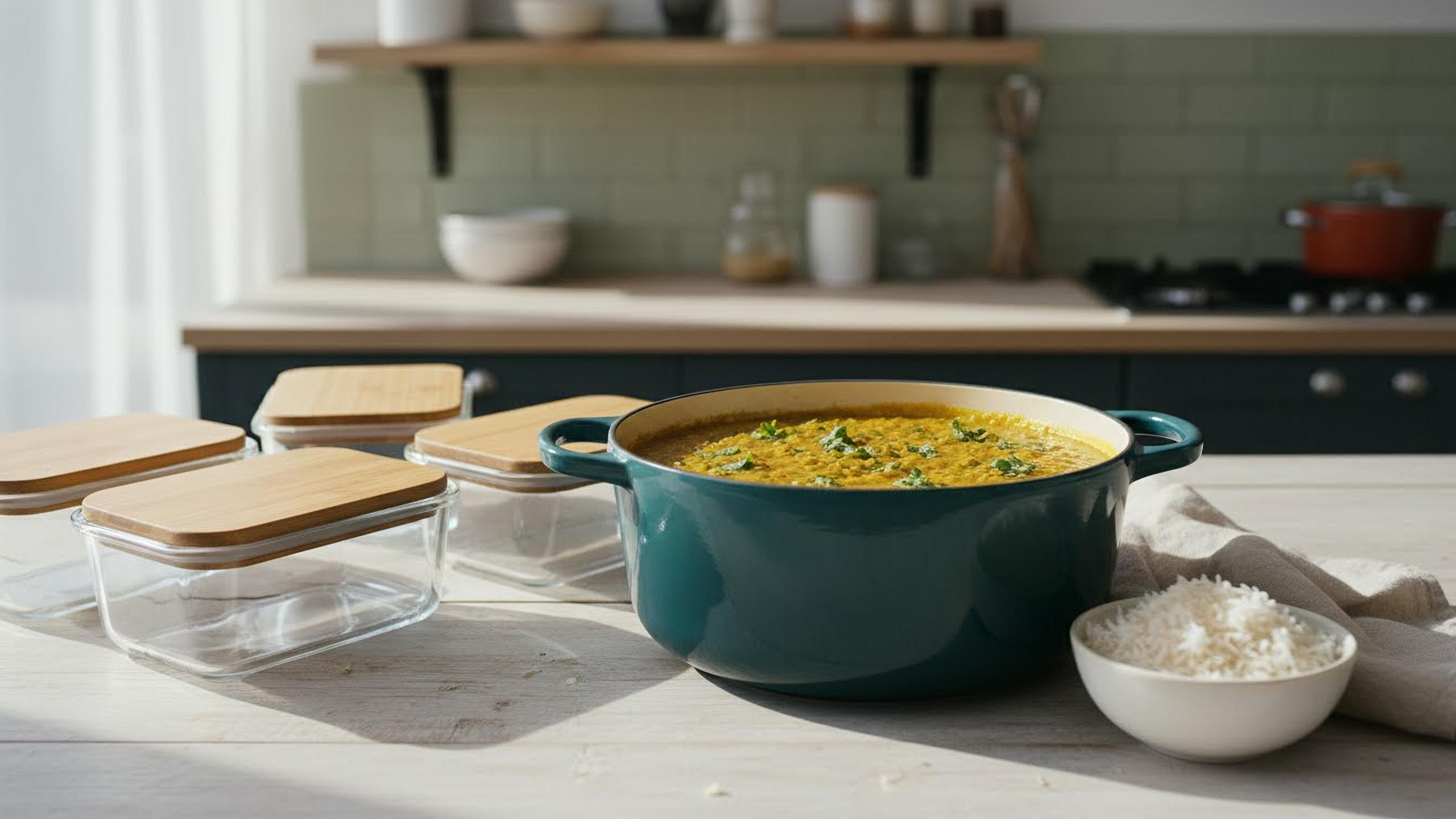
A large, deep pot of hot food is its own worst enemy when it comes to cooling. The heat trapped in the centre has nowhere to go, keeping the entire batch in the danger zone for hours. The single most effective strategy is to 'divide and conquer'. Instead of placing a large pot directly in the fridge, portion the contents into several smaller, shallower containers. Food should not be more than two inches deep. This dramatically increases the surface area, allowing heat to escape much more rapidly and ensuring the food cools evenly and safely.
The Great Cover-Up Debate
Now for the central question: to cover or not to cover? Sealing a container of still-hot food is a common mistake. A tight lid traps steam and heat, creating a warm, moist environment that is a perfect breeding ground for bacteria. The best practice is to let the food cool slightly first. You can then cover the containers loosely when you place them in the refrigerator. This allows heat and steam to continue escaping while still protecting the food from any potential cross-contamination from other items in the fridge. Once the food is completely cold (below 5°C), you can seal the lids tightly.
Choosing the Right Container
The material of your container also plays a role. Metal containers, particularly stainless steel, transfer heat more quickly and will cool food faster than glass or plastic. If you're using plastic, ensure it's a type that can handle temperature changes without warping or leaching chemicals. Shallow, rectangular containers are generally better than deep, round ones as they allow for more efficient cooling. While insulated containers are great for keeping food hot, they are not suitable for cooling food in the refrigerator, as they are designed to prevent temperature transfer.
How to Speed Up the Chill
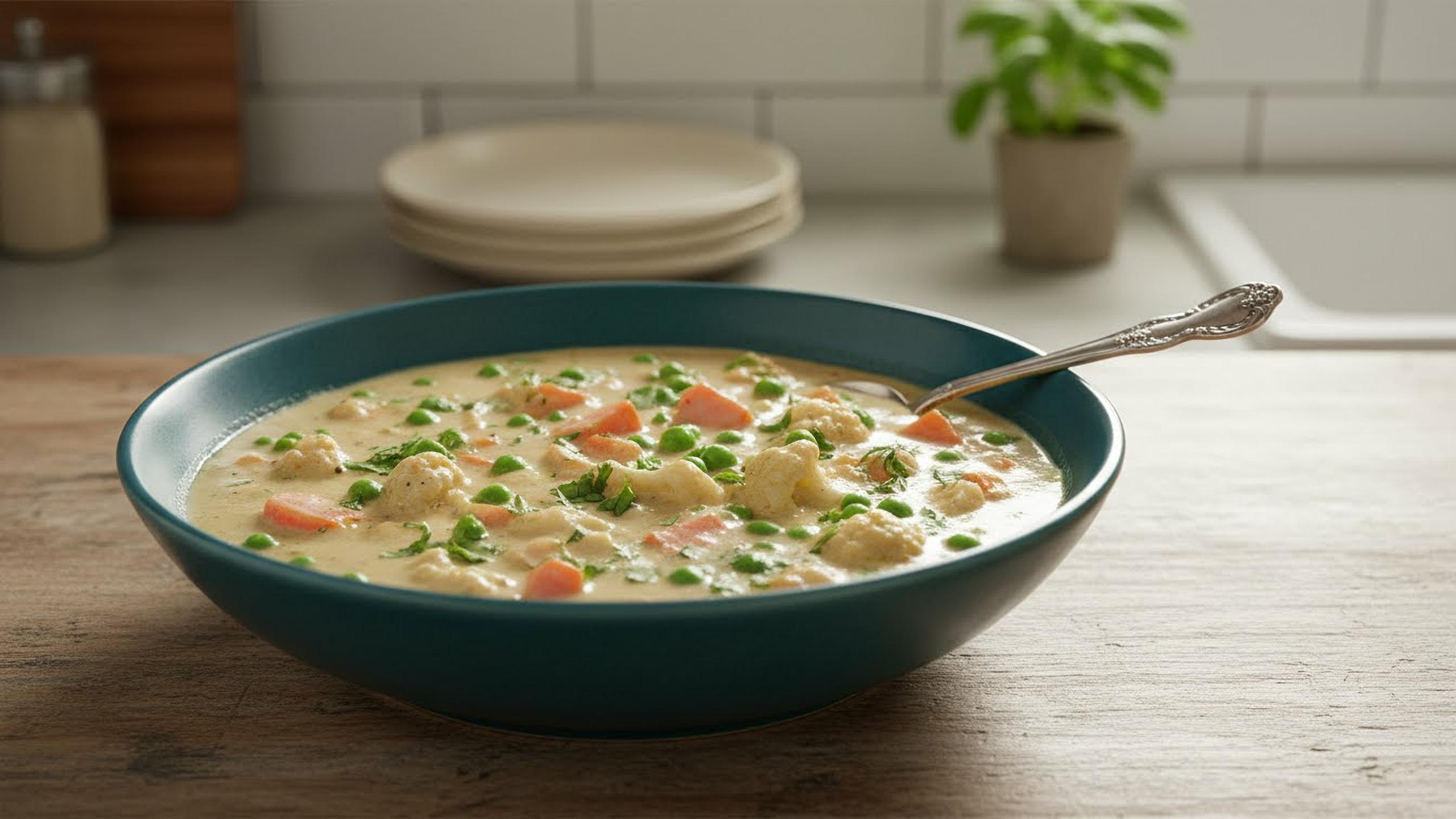
If you're in a hurry or dealing with a very large quantity of food, there are several tricks to accelerate the cooling process. One of the most effective is an ice bath. Place your smaller containers of food into a larger basin or sink filled with ice and water. Stirring the food periodically will also help to distribute the heat and cool it down more evenly. For liquids like soups or dals, you can even add a few ice cubes (made from clean water, of course) as part of the liquid content to bring the temperature down from the inside.