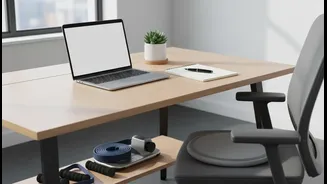









The Problem with the 'Active Couch Potato'
You might exercise for 30 to 60 minutes most days, but if you spend the other eight to ten hours sitting, you could be what researchers call an “active couch potato”. This phenomenon describes people who meet physical activity guidelines but remain sedentary
for most of their day. Studies show this pattern is linked to significant health risks. Prolonged sitting slows blood flow, reduces your metabolism, and can affect how your body handles fats and sugars. This can lead to an increased risk of chronic conditions like heart disease, type 2 diabetes, and even certain cancers, risks that a daily gym session may not fully erase. The damage from uninterrupted sitting is cumulative, happening on a physiological level throughout the day.
Why Weekend Workouts Fall Short
While weekend exercise is certainly beneficial, it doesn't entirely reverse the negative effects of sitting for long hours from Monday to Friday. Research indicates that prolonged physical inactivity can make the body somewhat “resistant” to the metabolic benefits of a single, intense exercise session. Think of it like this: your body's systems, from circulation to insulin regulation, are impacted by hours of continuous sitting. A weekend burst of activity can’t fully compensate for five straight days of this metabolic slowdown. One study found that even after four days of being very sedentary, an hour of intense exercise did not significantly improve key metabolic markers like triglyceride and glucose levels in the blood. This highlights that consistency of movement is crucial.
The Power of 'Movement Snacks'
The most effective strategy isn't to exercise harder on the weekends, but to move more frequently throughout the workday. Enter the “movement snack”: a short, one-to-five-minute burst of activity. These mini-breaks are designed to interrupt long periods of sitting. Research shows that breaking up sedentary time with light activity every 30 minutes can help counteract the negative effects, improving blood sugar regulation and circulation. Movement snacks are effective because they are manageable and make physical activity a consistent part of your routine, rather than another task to squeeze into a busy schedule. They prevent your body from entering that prolonged state of inactivity where the risks begin to mount.
Your Action Plan for an Active Workday
Integrating movement into your workday doesn't have to be disruptive. The goal is to make small, sustainable changes. Set a timer to remind yourself to get up every 30 to 60 minutes. Instead of emailing a colleague, walk over to their desk. Opt for the stairs instead of the elevator. During phone calls or online meetings where you don't need to be on camera, stand up and pace around your room. You can also perform simple exercises right at your desk, such as calf raises, squats, or shoulder stretches. Even turning your lunch break into a brisk walk can make a significant difference, helping to reset your body and mind for the afternoon.
Building a Culture of Movement
Encouraging more movement can also become part of your workplace culture. Suggest having “walking meetings” with colleagues for brainstorming sessions or one-on-one catch-ups. If your company has a wellness program, you could propose initiatives that encourage regular movement breaks or even in-office stretch sessions. Alternatives to standard desks, like standing desks or adjustable height desks, offer another way to reduce strain and engage more muscles throughout the day. When movement is seen as a normal and encouraged part of the workday, it becomes easier for everyone to build healthier habits together, boosting not just physical health but also energy and focus.