

Mint (Pudina): The Monsoon Marvel
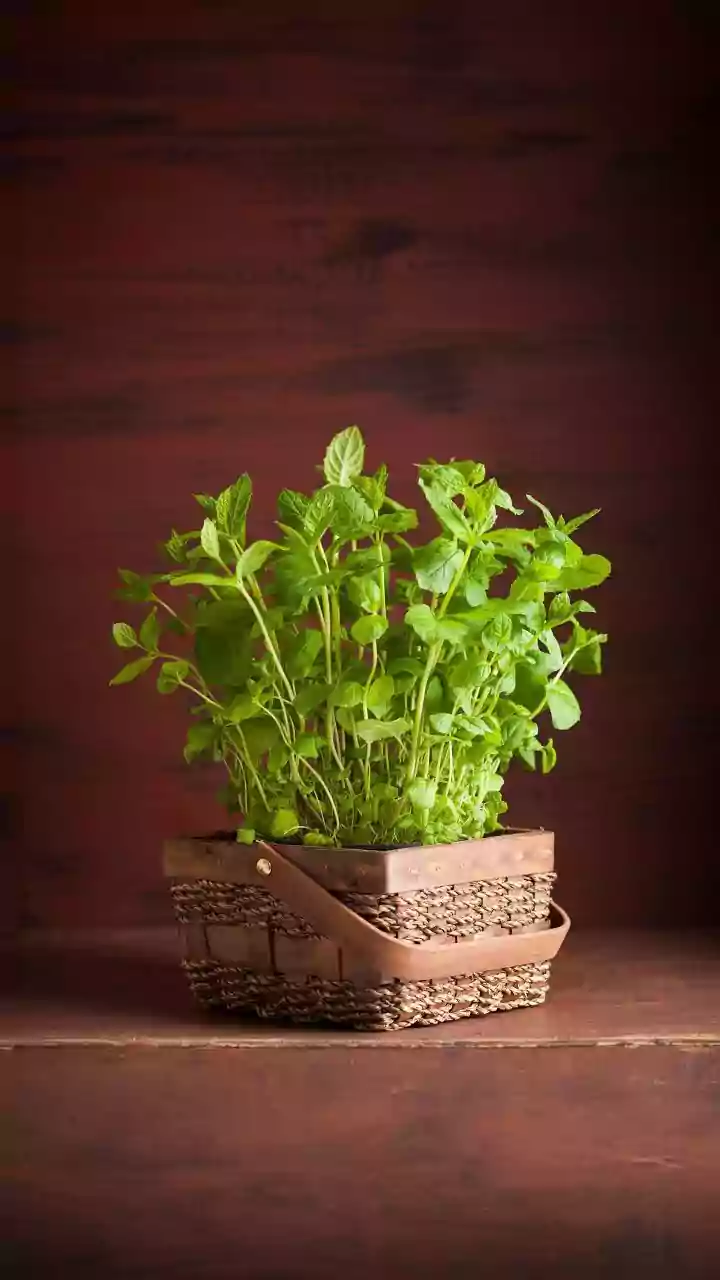
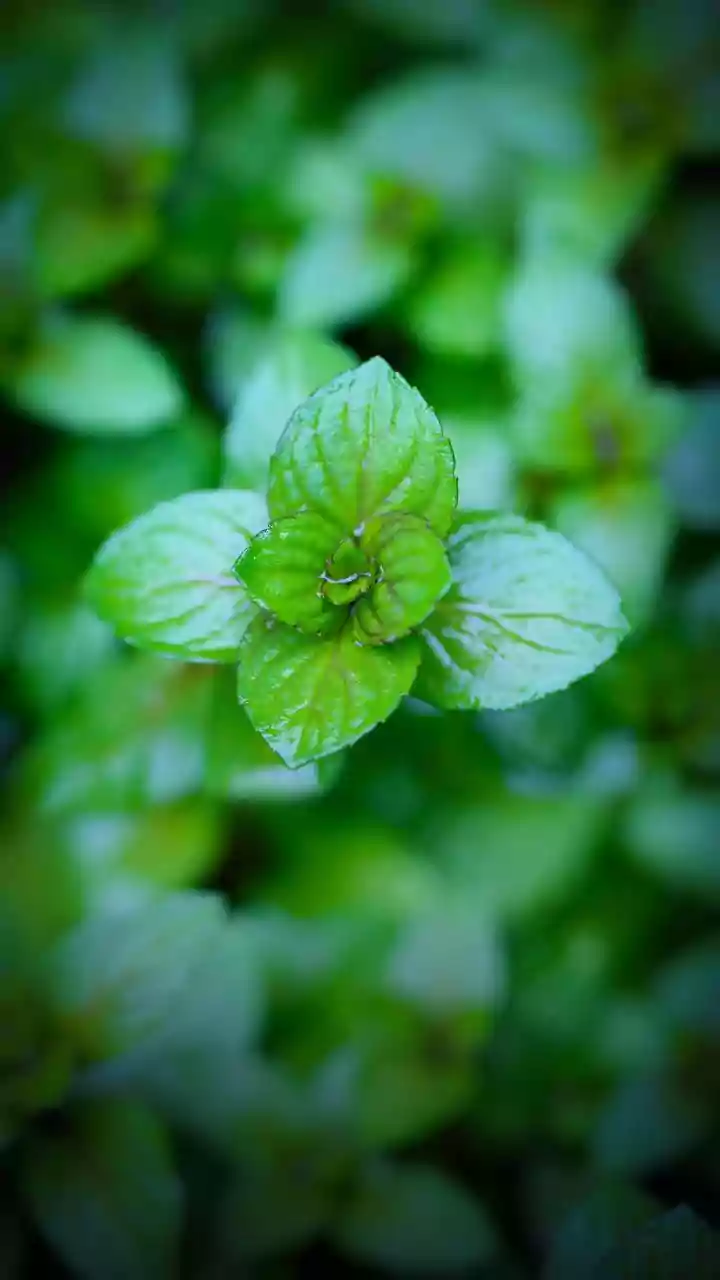
Mint is perhaps the easiest herb to grow during the rainy season. It loves moisture and cooler temperatures, making the monsoon its ideal growing period. A cutting from a bunch bought at the market will readily sprout roots in a glass of water. Plant
it in a pot with well-draining soil, and it will quickly flourish. Mint is known for spreading vigorously, so it's best to give it a dedicated container to prevent it from taking over other plants. Place it on a balcony or windowsill that receives a few hours of indirect sunlight. With minimal care, you’ll have a constant supply of fresh leaves for your chai, chutneys, and refreshing drinks all season long.
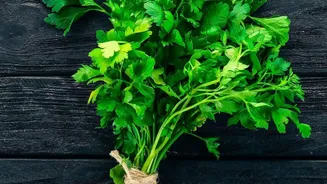
Coriander (Dhania): A Kitchen Essential
No Indian kitchen is complete without fresh coriander, and the monsoon is an excellent time to grow your own. This herb prefers the cooler, less intense sunlight that the season provides, as harsh sun can cause it to flower and go to seed too quickly (a process called bolting). For best results, lightly crush whole coriander seeds to split them and soak them overnight before planting. Sow them in a wide container with good drainage. Keep the soil moist but not waterlogged. You can start harvesting the outer leaves once the plant is about six inches tall. Regular trimming will encourage fuller growth, ensuring you have a steady, fragrant supply for garnishing curries and salads.
Basil (Tulsi or Italian): The Aromatic Staple
Both Holy Basil (Tulsi) and its culinary cousin, Italian Basil, flourish in the warm and humid conditions of the monsoon. Basil loves bright light but benefits from some protection against the harsh afternoon sun and heavy downpours, which can damage its delicate leaves. Planting it in a pot allows you to move it to a sheltered spot during a storm. Ensure the soil is rich and well-draining, and water only when the top layer of soil feels dry to the touch. Pinching off the tips and any flower buds that appear will promote a bushier plant with more flavourful leaves, perfect for everything from medicinal teas to homemade pesto.
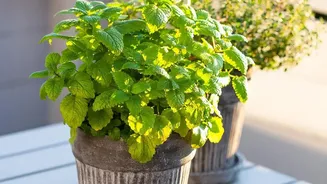
Lemon Balm: The Calming Herb
A member of the mint family, lemon balm is wonderfully easy to grow and thrives in partial shade. Its fragrant, citrus-scented leaves make a delightful addition to herbal teas, salads, and fish dishes. The plant is quite forgiving and adapts well to container life, making it perfect for smaller balconies or windowsills that don't get direct sun all day. It prefers moist, well-drained soil. Like mint, it can spread, but it is less aggressive. Harvesting its leaves regularly will not only give you fresh flavour but also keep the plant compact and healthy. Its calming aroma is an added bonus for your indoor green space.
Chives: The Subtle Onion Kick
If you love the mild, onion-like flavour of chives, you'll be happy to know they perform exceptionally well in low-light conditions. These hardy herbs grow in grassy clumps and are perfect for container gardening. They don’t demand much sun and can thrive on a windowsill that gets just a few hours of bright, indirect light each day. Chives are perennials, meaning they can live for several years, dying back in winter and reappearing in the spring. To harvest, simply snip the leaves with scissors about an inch from the base. This encourages new growth and keeps the plant productive. They are an excellent, low-maintenance choice for adding a subtle kick to eggs, soups, and salads.
Essential Monsoon Care Tips
Growing herbs during the monsoon is rewarding, but it comes with unique challenges. The biggest enemy is not a lack of water, but an excess of it. Ensure every pot has drainage holes to prevent waterlogging and root rot. Before watering, check if the top inch of soil is dry; if it’s still damp from the rain, hold off. To prevent fungal diseases, which are common in high humidity, try to water the soil directly and avoid wetting the leaves. Finally, even shade-loving herbs need some light. Position them in the brightest spot you have, like an east-facing balcony or a bright window, where they can soak up the gentle morning sun without getting scorched.