


What Exactly is El Niño?
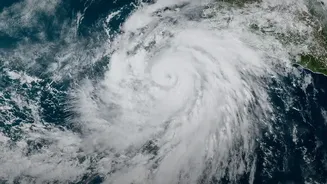
El Niño is the warm phase of a natural climate pattern called the El Niño-Southern Oscillation (ENSO). In a normal year, trade winds blow from east to west across the Pacific, piling up warm surface water near Asia and fuelling the rain clouds that feed
the Indian monsoon. During an El Niño, which occurs every two to seven years, these winds weaken. As a result, the vast pool of warm water sloshes back eastwards, towards South America. This fundamental shift in ocean heat changes atmospheric circulation patterns across the globe, impacting everything from rainfall in India to winter storms in North America. The current event, which began developing in June 2026, is strengthening rapidly and is expected to persist into early 2027.
An Altered Monsoon for India
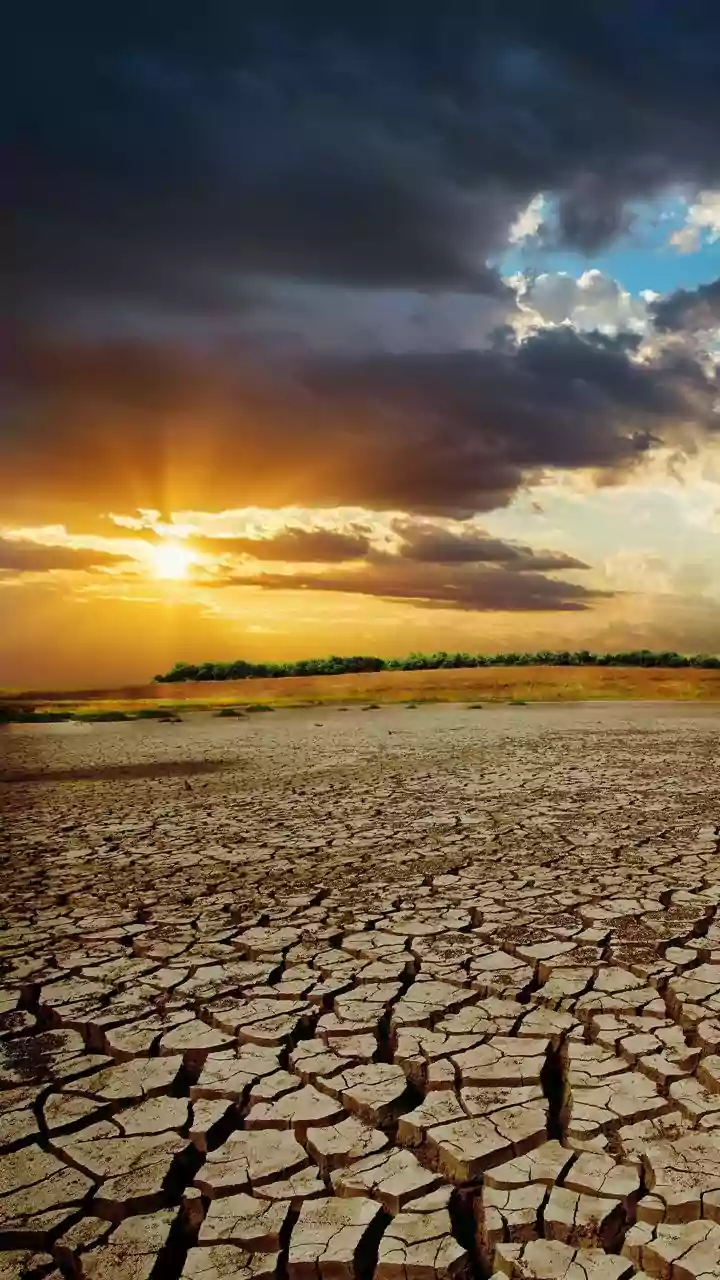
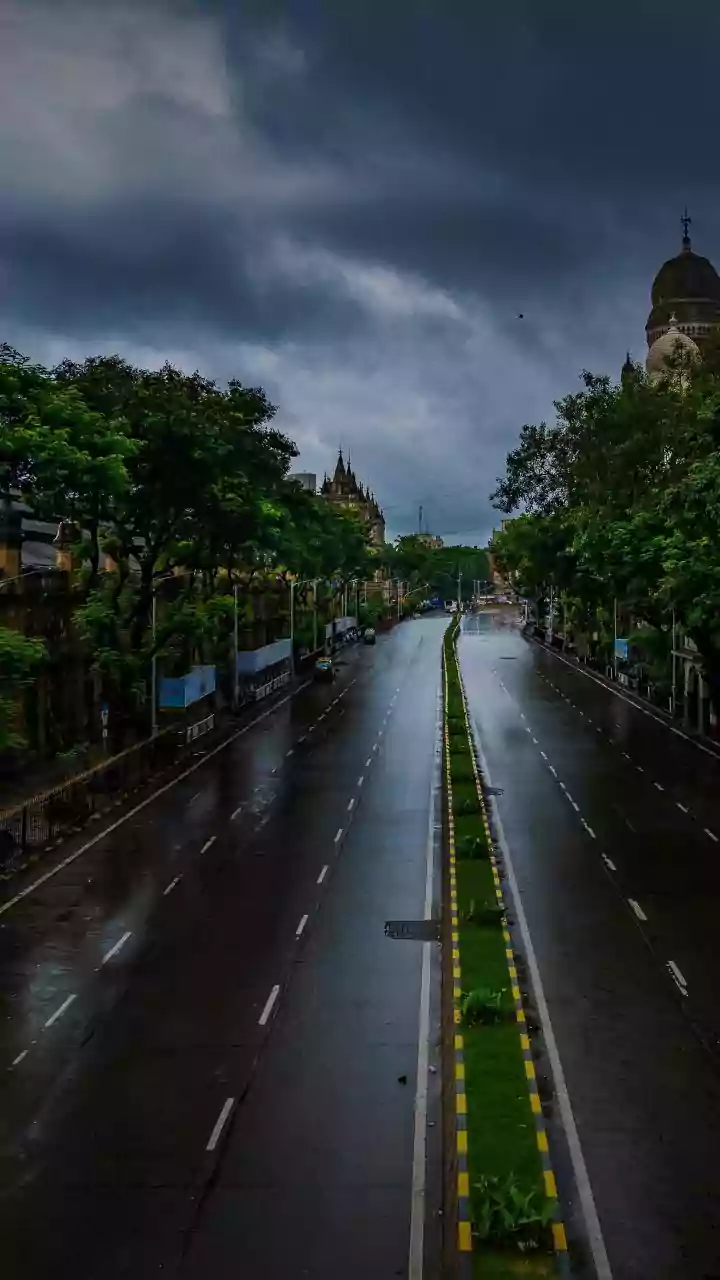
For India, the most significant impact of El Niño is its tendency to suppress the vital southwest monsoon, which delivers about 75% of the country's annual rainfall. The shift of warm, rising air to the central Pacific weakens the low-pressure systems over the Indian subcontinent that are crucial for drawing in moisture-laden winds. This disruption often leads to below-normal rainfall, more frequent dry spells, and a higher risk of drought conditions, particularly in central, western, and peninsular India. While not every El Niño causes a drought in India, a strong event significantly raises the probability. Other factors, like the Indian Ocean Dipole (IOD)—a separate sea-surface temperature pattern in the Indian Ocean—can sometimes counteract El Niño’s drying effect, but this is not guaranteed.
The Link to Disease Outbreaks
Changes in weather patterns driven by El Niño are not just an agricultural concern; they have serious public health implications. The World Health Organization (WHO) has identified India as a country facing high health risks from the current El Niño. The primary concern is an increase in vector-borne diseases. Warmer temperatures can accelerate mosquito development and the replication of viruses they carry, such as dengue. Altered rainfall patterns also play a critical role. While heavy rains can create more standing water for mosquitoes to breed in, drought conditions can be just as dangerous. Water scarcity often forces households to store water in open containers, inadvertently creating ideal breeding sites for mosquitoes like Aedes aegypti, the primary vector for dengue, chikungunya, and Zika.
More Than Just Mosquitoes
The health risks extend beyond mosquito-borne illnesses. Drought and water scarcity can compromise hygiene and increase the risk of water-borne diseases like cholera and dysentery as water sources become contaminated. Furthermore, prolonged periods of extreme heat, which are more likely during an El Niño year, can lead to heat exhaustion, heatstroke, and worsen existing chronic conditions related to the heart, lungs, and kidneys. Air quality can also suffer, as drier conditions contribute to dust and increase the risk of wildfires, which can aggravate respiratory problems. These combined stresses on public health systems can be significant, requiring hospitals and clinics to prepare for potential surges in a variety of climate-sensitive illnesses.