



More Than Just a Trip
Sustainable tourism isn't just about reusing hotel towels or avoiding plastic. In the Indian context, it's a model where local communities are active participants and owners, not just passive bystanders. Instead of tourism revenue flowing to large, distant
corporations, it stays within the village, directly supporting families and preserving cultural traditions. This approach, often called community-based tourism, turns a simple holiday into a meaningful exchange. It focuses on local ownership, fair income distribution, and protecting the very culture and nature that travellers come to see. The result is a more resilient local economy and a richer, more authentic experience for the visitor. Recent surveys show a significant rise in demand for this kind of travel, with a 2026 report noting that 72% of Indian travellers are more determined to travel sustainably than they were a year ago.
From Homestays to Handicrafts
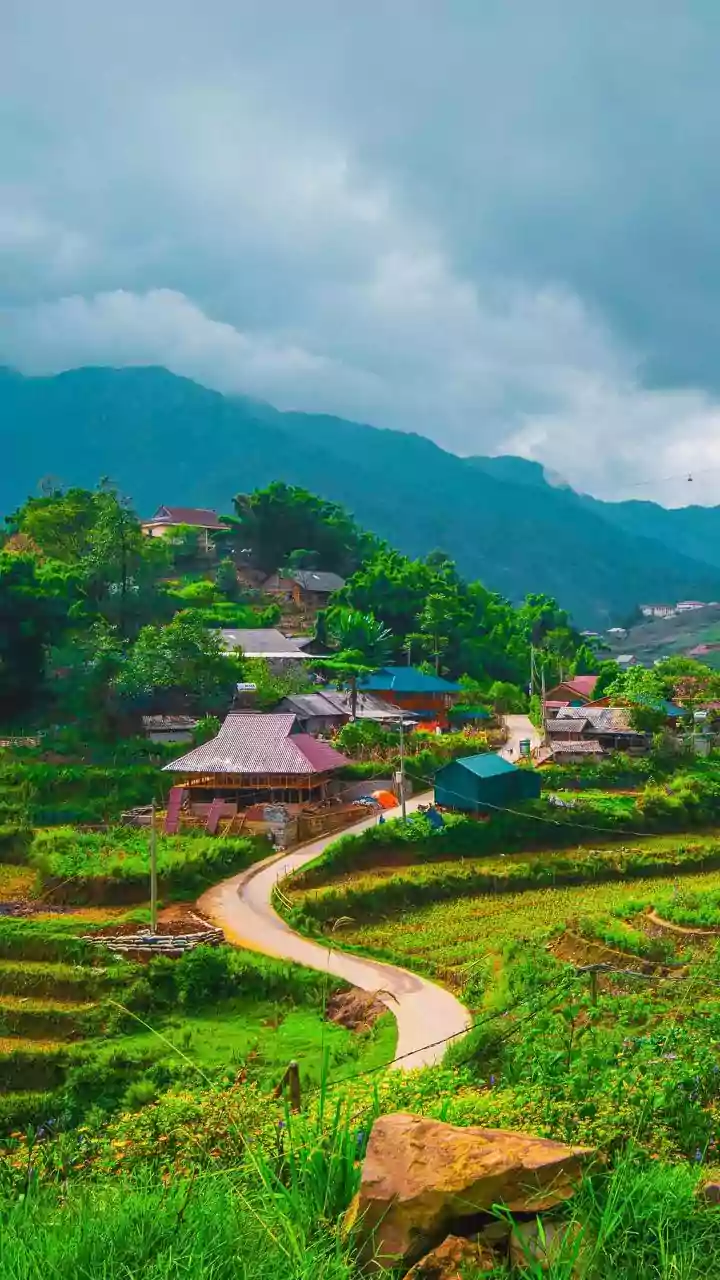
Across India, this model takes many forms. In states like Madhya Pradesh, the government's homestay initiative has seen remarkable success. As of early 2026, 346 homestays were operating across 98 villages, generating ₹6.76 crore in income for local families over two years by offering tourists a taste of rural life, complete with home-cooked meals and local folk art. In Meghalaya, the Chief Minister's Homestay Scheme provides subsidies to help rural residents become entrepreneurs, turning their homes into destinations and boosting the local economy. Beyond accommodation, initiatives are connecting tourism with local crafts and livelihoods. The Jaipur Rugs Foundation, for example, runs a 'Rural Experiences' program that brings visitors into artisan villages. This ensures that income reaches not just the rug weavers, but also the potters, bangle makers, and other craftspeople in the community, preventing the economic benefits from leaking away.
Empowerment Through Experience
The benefits extend far beyond direct income. In Sindhudurg, Maharashtra, one organisation helped local women establish boating trips in mangrove creeks, reviving a once-dying puppetry art form to attract tourists and creating self-help groups to sell homemade pickles and squashes. These women now earn around ₹2,00,000 a year from the boating trips alone, gaining financial independence and leadership skills. Similarly, the Pink City Rickshaw Company in Jaipur has provided employment to over 200 women from low-income households, training them to be professional guides in custom-built, eco-friendly rickshaws. These projects do more than create jobs; they build confidence, preserve dying arts, and give communities a stake in protecting their environment. By linking economic incentives directly to conservation, locals become the most passionate guardians of their natural and cultural heritage.
The Road Ahead
Despite these success stories, the path isn't without challenges. Many community-based initiatives struggle with a lack of infrastructure, limited market access, and the need for more training in hospitality and management. Balancing tourism growth with the environmental carrying capacity of a region is a constant struggle, especially in fragile ecosystems like the Himalayas. There can also be a risk of cultural exploitation if not managed carefully, with some tourists bringing unrealistic expectations that can affect a host's morale. For this movement to grow sustainably, continued support from government bodies, NGOs, and the private sector is crucial. This includes providing better infrastructure, simplifying regulations, and connecting these unique local experiences with a wider market of conscious travellers.