

The Foundation: Scrap Vegetable Stock
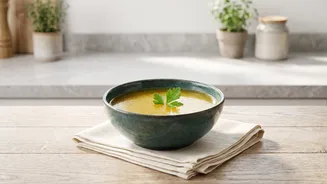
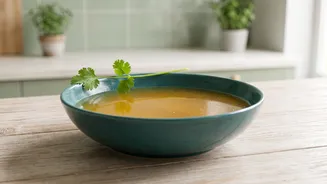
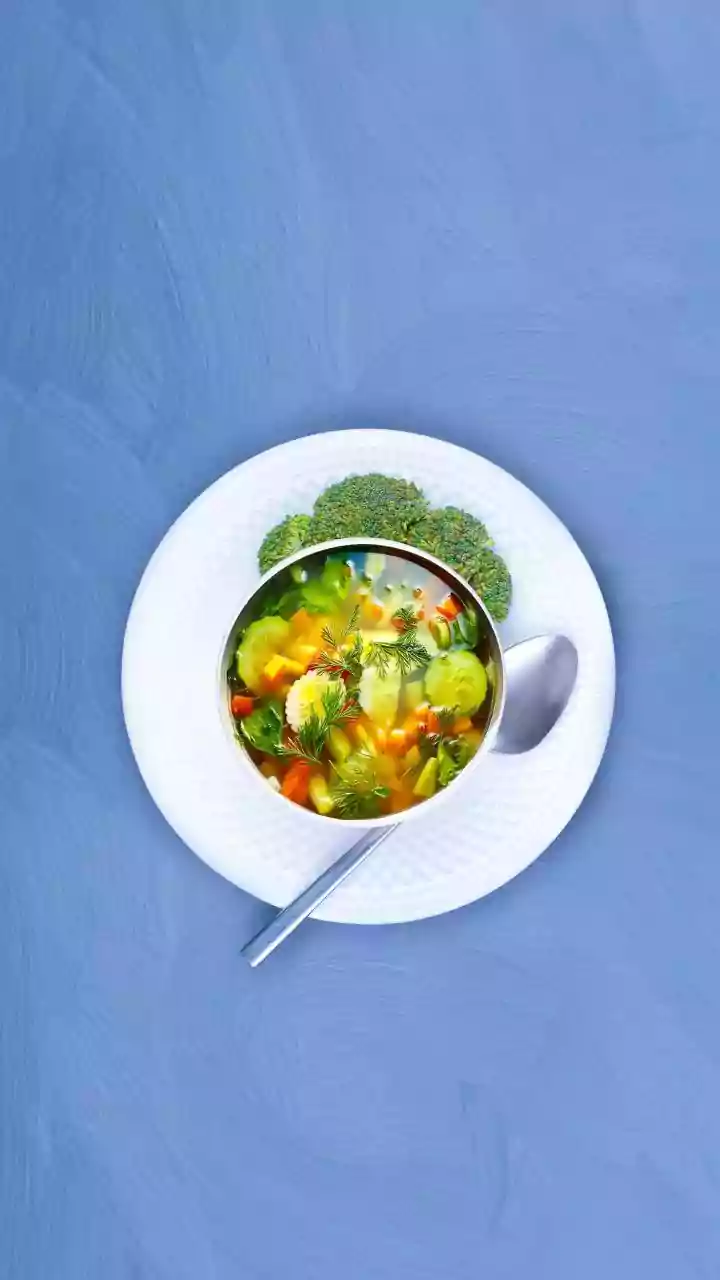
Before you toss those onion skins, carrot peels, and celery ends, think of them as the building blocks for a deeply flavourful vegetable stock. Keep a large bag or container in your freezer and add clean vegetable scraps as you cook. This can include
onion and shallot skins, carrot and sweet potato peels, mushroom stems, and even leek tops. When the bag is full, simply empty the contents into a large pot, cover with water, add a bay leaf and some peppercorns, and simmer for at least an hour. The result is a free, homemade stock that's perfect for soups, stews, and sauces. For a deeper, roasted flavour, you can even toss the scraps with oil and roast them at 200°C until browned before simmering. Just be mindful to avoid too many scraps from cruciferous vegetables like broccoli or cauliflower, as they can make the stock bitter.
Beyond the Bin: Creative Uses for Peels
Vegetable peels aren’t just for stock. With a little creativity, they can become a star ingredient. Potato and sweet potato peels can be transformed into crispy, addictive snacks. After washing the potatoes, toss the fresh peels in a little oil and your favourite spices—think paprika, rosemary, or just salt and pepper. Spread them on a baking sheet and bake in a hot oven (around 200°C) for 15-25 minutes, until golden and crisp. They make a fantastic, crunchy topping for soups and salads or a simple snack on their own. Similarly, the tough outer leaves of cauliflower and the fibrous stems of broccoli can also be given a new life. Chopping them finely and roasting or sautéing them makes them tender and flavourful, ready to be added to frittatas, stir-fries or stews.
Don't Toss Those Tender Stems
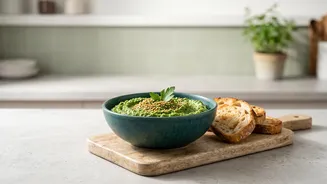
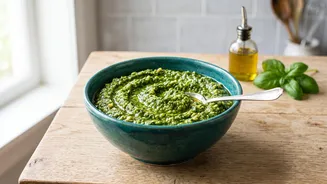
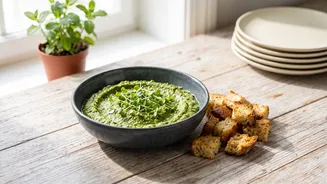
The stems of tender herbs like parsley, cilantro, and basil are packed with just as much flavour as the leaves. Instead of discarding them, chop them finely and use them right along with the leaves in sauces, salads, and marinades. For a brilliant zero-waste dip or sauce, blend these stems into a rustic pesto. Combine a cup of finely chopped parsley and basil stems with garlic, nuts (like pine nuts or walnuts), Parmesan cheese, and olive oil in a food processor. This 'stem-pesto' is perfect for tossing with pasta, spreading on sandwiches, or spooning over grilled vegetables. Woody stems from herbs like rosemary can be used as aromatic skewers for grilling or can be added to the pot when making stock to infuse it with flavour; just be sure to remove them before serving.
Stale Bread's Second Act
That loaf of bread that's gone hard is an opportunity, not a failure. The easiest way to use it is to make croutons or breadcrumbs. Simply tear the bread into chunks, toss with olive oil and herbs, and bake until golden. But stale bread can also be the heart of a truly substantial dish. One of the most famous uses is Ribollita, a classic Tuscan soup. This hearty dish combines cannellini beans, kale, and other vegetables with chunks of stale bread, which break down and thicken the soup into a rustic, comforting meal. Another Italian classic is Panzanella, or bread salad. Stale bread is rehydrated with the juices of fresh tomatoes, red onion, and a simple vinaigrette, turning what was once dry and hard into a flavour-soaked delight.