




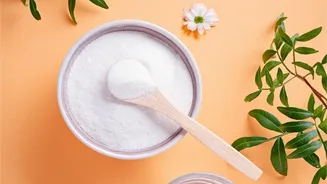
That tub of protein powder isn't just for shakes. If you're tired of the same old blender routine, it's time to unlock its potential as a versatile kitchen ingredient to help you meet your wellness goals in more delicious and satisfying ways.
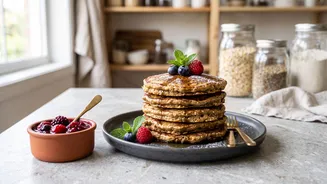
1. Fluffy Protein Pancakes
Upgrading
your weekend breakfast is one of the easiest ways to start cooking with protein powder. Adding it to pancake or waffle batter can create a satisfying, high-protein meal that keeps you feeling full all morning. The trick to avoiding a dry or rubbery texture is to not overdo it. As a general rule, you should only replace about one-third of the flour in your recipe with protein powder. For extra moisture, add ingredients like mashed banana, applesauce, or Greek yogurt to the batter. A typical recipe might involve mixing a scoop of your favourite flavoured protein powder (vanilla works well) with flour, a leavening agent like baking powder, an egg, and milk. For a simple start, try blending rolled oats, a banana, an egg, and a scoop of protein powder for a flourless batter that’s ready in seconds. Cook them as you would any other pancake, but watch them closely, as protein-based batters can cook and dry out more quickly.
2. Creamy, Clump-Free Oatmeal
A warm bowl of oatmeal is a breakfast staple, but it can be low in protein on its own. Stirring in a scoop of powder is a simple fix, but doing it correctly is key to avoiding a lumpy, chalky mess. The most common mistake is adding the powder directly to piping-hot oats, which can cause it to clump. The best method is to cook your oatmeal first, then let it cool for a minute. While it’s cooling, mix your protein powder with a small amount of liquid—like water or milk—in a separate bowl to create a smooth paste or slurry. Then, stir that mixture into your cooked oatmeal until it's fully combined. This technique ensures a smooth, creamy texture every time. For overnight oats, the process is even simpler: just whisk the protein powder into the milk or other liquid before adding the oats and other ingredients.
3. Savoury Soups and Sauces
Protein powder’s usefulness extends far beyond breakfast and sweet treats. An unflavoured powder can be a secret weapon for boosting the nutritional content of savoury dishes without altering the taste. It works wonderfully as a thickener for soups, stews, and pasta sauces. Just like with oatmeal, the key is to avoid adding the powder directly into a hot pot, which can cause it to curdle or clump. First, whisk a scoop or two of unflavoured protein powder into a small amount of cold liquid, like broth or water, until it forms a smooth slurry. Then, slowly stir this mixture into your simmering soup or sauce towards the end of the cooking process. This method not only adds a significant protein boost but also lends a creamy, velvety texture to dishes like tomato soup or a vegetable stew, often without needing to add high-fat creams.
4. No-Bake Protein Energy Balls
When you need a quick, healthy snack on the go, no-bake energy balls are a perfect solution. They are incredibly easy to make, require no cooking, and are completely customisable. Using protein powder in these recipes helps bind the ingredients together while making them much more satisfying. The basic formula involves a sticky binder, a dry base, protein powder, and your favourite mixins. For the binder, you can use nut butter, honey, or maple syrup. The base is often rolled oats. From there, simply add a scoop of protein powder and any other ingredients you like, such as chia seeds, ground flaxseed, shredded coconut, or dark chocolate chips. Mix everything together in a bowl, roll the mixture into bite sized balls, and store them in the refrigerator. This method preserves the full nutritional value of the protein since it isn't exposed to heat.