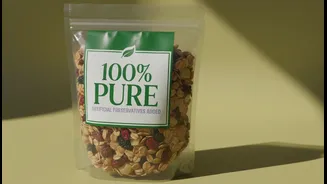









A Flurry of Regulatory Action
In recent weeks, the Food Safety and Standards Authority of India (FSSAI) has ramped up its vigilance, issuing a series of notices to numerous food companies for alleged violations of labelling and advertising laws. This isn't just a routine check; it's
a widespread campaign targeting how products are presented to the public. In early July 2026 alone, notices were sent to companies like Heritage Foods for its 'Fresh Paneer', Dia Foods for its vegan chocolate spread, and Cipzer Nutraceuticals for its juice capsules. Shortly before, popular beverage brands including Red Bull, Sting, and Hell were questioned for using the term 'energy drink' without a formal standard for it under Indian law. This action extends to a wider group of brands scrutinised in June for using words like 'healthy' in their names or making unsubstantiated nutritional claims.
Decoding the Common Violations
The FSSAI's objections centre on specific words that can influence consumer choices. For instance, the term 'Fresh' on a paneer packet was flagged because its use is governed by specific conditions that were allegedly not met. Similarly, claims like '100% Organic' and 'Vegan' on a chocolate spread were questioned because the company reportedly lacked the necessary prior approvals and certification logos, such as the Jaivik Bharat logo for organic products. Another major point of contention is the use of 'FSSAI Approved'. The regulator has clarified that it issues licenses to businesses but does not 'approve' individual products, making such a claim deceptive. Unproven health benefits like 'boosts your immune system' and functional claims on drinks such as 'enhances focus' have also been labelled impermissible without scientific backing.
The Risks of the 'Health Halo'
Why does a single word on a package matter so much? The risk lies in the 'health halo effect,' where a positive term like 'natural' or 'healthy' makes consumers believe a product is better for them than it actually is. This can lead to unintended health consequences. A product advertised as 'No Added Sugar' might still be high in natural sugars from fruit concentrates, a detail often missed by shoppers relying on front-of-pack claims. Similarly, a snack labelled 'all-natural' might still be heavily processed. These misleading labels don't just pose a health risk by creating false perceptions; they also hurt consumers financially, who often pay a premium for products they believe offer special benefits. Ultimately, it erodes trust between consumers and the food industry.
The Benefits of Greater Transparency
The FSSAI's crackdown is a significant step towards creating a more transparent food ecosystem in India. For consumers, the primary benefit is empowerment. When labels are accurate and scientifically sound, you can make genuinely informed decisions that align with your dietary needs and health goals. It forces you to look beyond marketing buzzwords and examine the actual nutritional content. For the food industry, this stricter enforcement levels the playing field. Companies that invest in honest labelling and high-quality ingredients are no longer at a disadvantage against those using deceptive marketing tactics. In the long run, this push for accuracy helps build a market based on trust and quality, encouraging brands to innovate responsibly rather than just through clever advertising.
Your Takeaway: How to Be a Smarter Shopper
While the FSSAI is doing its part, the most powerful change comes from consumer awareness. Here are a few ways to become a more discerning shopper. First, always ignore the hype on the front of the package and turn it over to read the full ingredient list and the nutritional information panel. Ingredients are listed by weight, so the first few items make up most of the product. Second, be sceptical of popular buzzwords. Terms like 'natural', 'healthy', '100%', or 'real' are often marketing terms, not scientific facts, unless backed by certification. For claims like 'organic' or 'vegan', look for the official FSSAI-mandated logos on the packaging, as these require formal certification. Finally, understand that a claim like 'no added sugar' does not mean 'sugar-free'. Always check the total sugar content in the nutrition facts table.