




The Green Banana: A Gut-Friendly Powerhouse
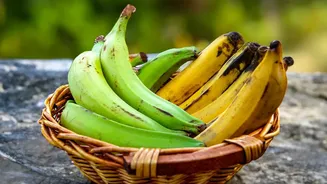
A green, or raw, banana is defined by its high content of resistant starch. This type of carbohydrate 'resists' digestion in your small intestine, travelling to the colon intact. There, it acts as a prebiotic, feeding the beneficial bacteria in your gut.
A healthy gut microbiome is linked to better digestion, a stronger immune system, and even improved mood. This resistant starch also means green bananas have a lower glycemic index (GI), a measure of how quickly a food raises blood sugar levels. For individuals managing blood sugar, a green banana provides a slower, more sustained release of energy, preventing sharp spikes. The high fibre and starch content also promotes a feeling of fullness, which can aid in weight management.
The Yellow Banana: Sweet, Quick Energy
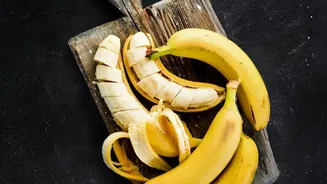
As a banana ripens and turns yellow, a significant transformation occurs. Enzymes begin to break down the complex resistant starches into simple sugars like sucrose, fructose, and glucose. This is why yellow bananas are noticeably sweeter and softer. This conversion makes the energy in a ripe banana much more accessible. The higher sugar content gives it a higher glycemic index compared to its green counterpart, providing a quick source of fuel. This makes a yellow banana an excellent snack for athletes before a workout or for anyone needing a rapid energy boost. Ripe bananas are also often easier to digest for many people because the breakdown of complex starches is already underway.
Digestion and Discomfort
While the resistant starch in green bananas is great for gut bacteria, it can cause digestive discomfort like gas or bloating in some people, especially those not used to a high-fibre diet. Your digestive system may need time to adapt. On the other hand, ripe bananas are generally gentler on the stomach. For those with sensitive digestive systems, the easily digestible sugars in a yellow banana might be a better choice. In fact, some sources suggest that overripe bananas can act as a natural antacid, helping to soothe the stomach lining. However, for individuals managing conditions like Irritable Bowel Syndrome (IBS), the FODMAP content of bananas changes with ripeness. Green bananas are considered low-FODMAP, while ripe bananas become high-FODMAP, which can trigger symptoms for some.
A Shift in Antioxidants and Nutrients
The nutritional journey doesn’t stop with starch and sugar. While both green and yellow bananas are excellent sources of key nutrients like potassium, vitamin B6, and vitamin C, the ripening process affects other compounds. As a banana ripens and develops brown spots, its antioxidant levels actually increase. These antioxidants, including flavonoids and amines, help protect your body's cells from damage caused by free radicals. So, that slightly overripe banana you might be tempted to toss is an antioxidant powerhouse. However, some water-soluble micronutrients, like vitamin C and thiamin, may slightly decrease as the banana ages. Despite these shifts, the core nutritional value, particularly the high potassium content, remains largely stable throughout the ripening process.
The Verdict: Which Banana Is Right for You?
Ultimately, there is no 'better' banana—it all depends on your personal health goals and needs. Choose a green banana if: You want to improve your gut health by feeding good bacteria. You are managing your blood sugar levels and need a low-GI option. You want a snack that will keep you feeling full for longer. Choose a yellow or spotted banana if: You need a quick and easily digestible source of energy before physical activity. You have a sensitive stomach and find resistant starch hard to digest. You want to maximise your intake of antioxidants.