


The Secret to Softness: Crafting the Perfect Dough
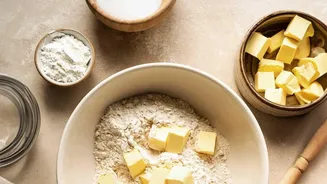
The foundation of any great naan is a soft, pliable dough. The magic lies in a few key ingredients: all-purpose flour (maida), a leavening agent, and enriching ingredients like yogurt and milk. Many recipes use either yeast or a combination of baking
powder and baking soda. For a quicker result, a mix of baking powder and soda works wonders, while yeast will require about an hour or two of proofing time for the dough to double in size. A crucial component for achieving that signature softness is plain yogurt (dahi), which helps create a tender crumb. The dough should be kneaded for a good 5-10 minutes until it is smooth and slightly sticky. Don't be tempted to add too much extra flour; a soft dough is the goal. Once kneaded, let it rest in a warm place, covered with a damp cloth, for at least 30 minutes to two hours, depending on your leavening agent.
Maximising Aroma: The All-Important Garlic Topping
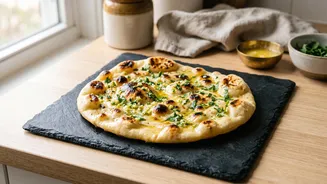
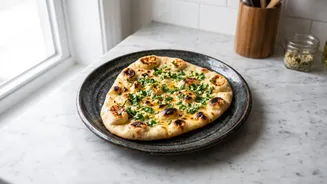
The star of this flatbread is, of course, the garlic. For the best flavour, fresh is non-negotiable. You have a couple of options for preparation. Many recipes call for finely minced or crushed garlic to be pressed onto the surface of the rolled-out dough just before cooking. To ensure the garlic bits stick, it helps to gently press them into the dough with your hands or a rolling pin. For an even more intense garlic experience, you can add some minced garlic directly into the dough itself during the kneading process. To complete the topping, freshly chopped coriander leaves are an essential partner, providing a fresh, herbaceous counterpoint to the pungent garlic. Some cooks also like to sprinkle on nigella seeds (kalonji) for an extra layer of texture and flavour.
The Tawa Technique: From Dough to Naan
Cooking naan on a tawa (a flat or slightly concave griddle) is a brilliant hack to replicate the high heat of a tandoor. A cast-iron tawa is highly recommended as it retains heat well and is necessary for the final step. Do not use a non-stick pan, as the naan needs to stick to the surface. Once your dough has rested, divide it into equal-sized balls. Roll each ball into a classic oval or teardrop shape. Now for the crucial step: apply water generously to the bottom side of the rolled-out naan. Heat your tawa over medium-high heat. Once hot, place the naan water-side down onto the tawa. The water will help it stick firmly. Cook for about a minute, until you see bubbles start to form on the surface.
Getting the Char: The Final Flame-Kissed Step
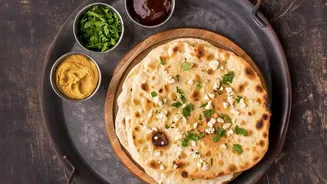
Once bubbles have appeared on the surface, it's time for the move that gives tawa naan its restaurant-style finish. Instead of flipping the naan over inside the pan, you flip the entire tawa upside down, holding it by its handle. This exposes the top side of the naan directly to the gas flame. Hold the inverted tawa a few inches above the burner and move it around to ensure the naan cooks evenly and develops those beautiful, slightly charred brown spots. This process only takes about 30-60 seconds. Once cooked, use tongs to gently pry the naan off the tawa. The result is a naan that is soft and cooked through on one side and beautifully blistered on the other.
Finishing Touches and Serving
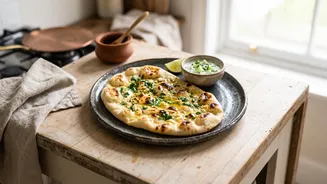
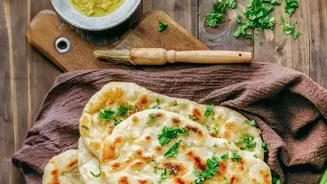
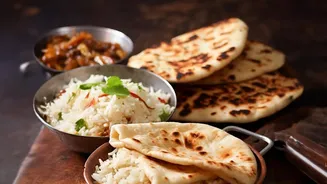
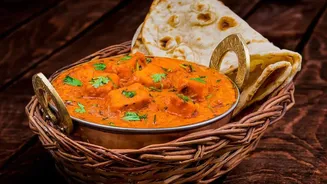
A plain naan is good, but a garlic naan is not complete without a final slick of fragrant butter. As soon as the naan comes off the flame, brush it generously with melted butter. For the ultimate garlic hit, you can use a garlic-infused butter, made by simply melting butter with some extra minced garlic. This final layer of fat not only adds incredible flavour but also keeps the naan soft and luscious. Serve your homemade tawa garlic naan immediately while it's hot and puffy. It’s the perfect companion for scooping up rich curries like dal makhani or paneer butter masala, or simply enjoyed on its own.